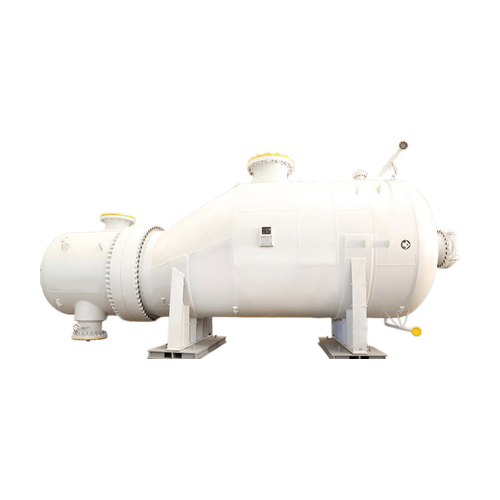
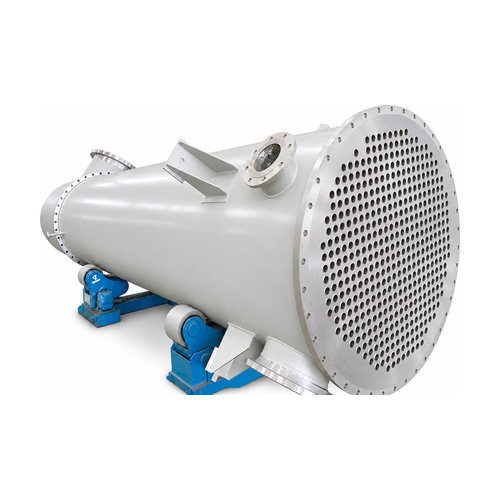
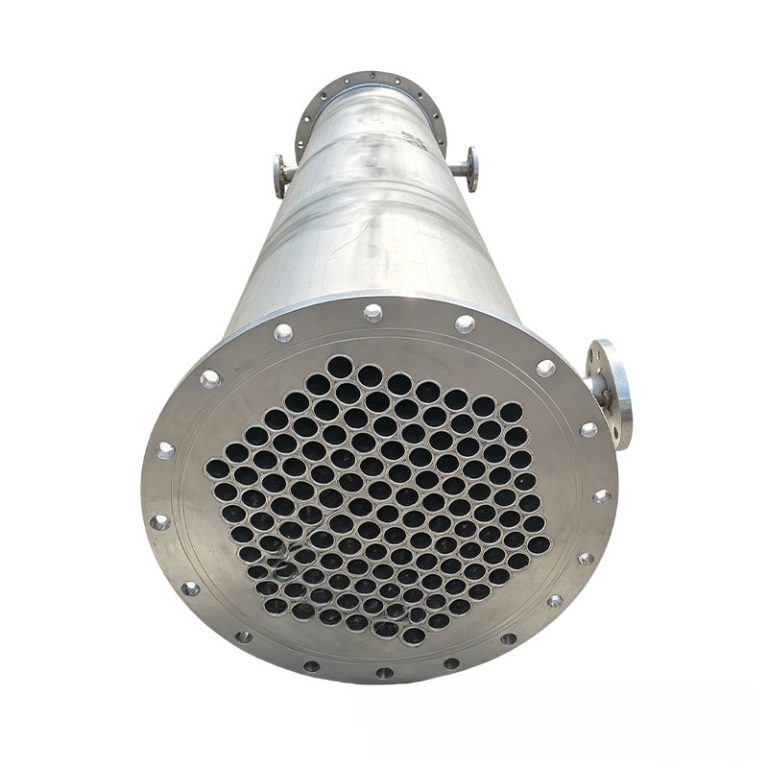
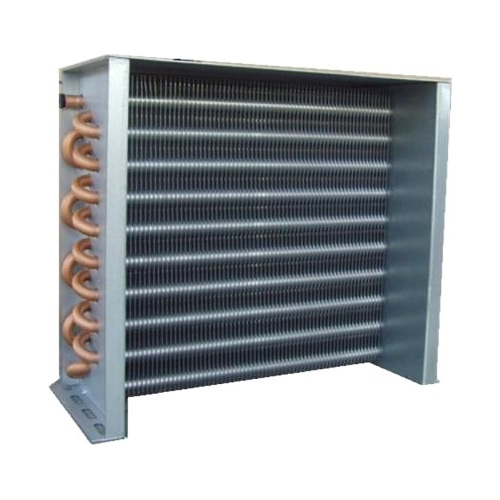
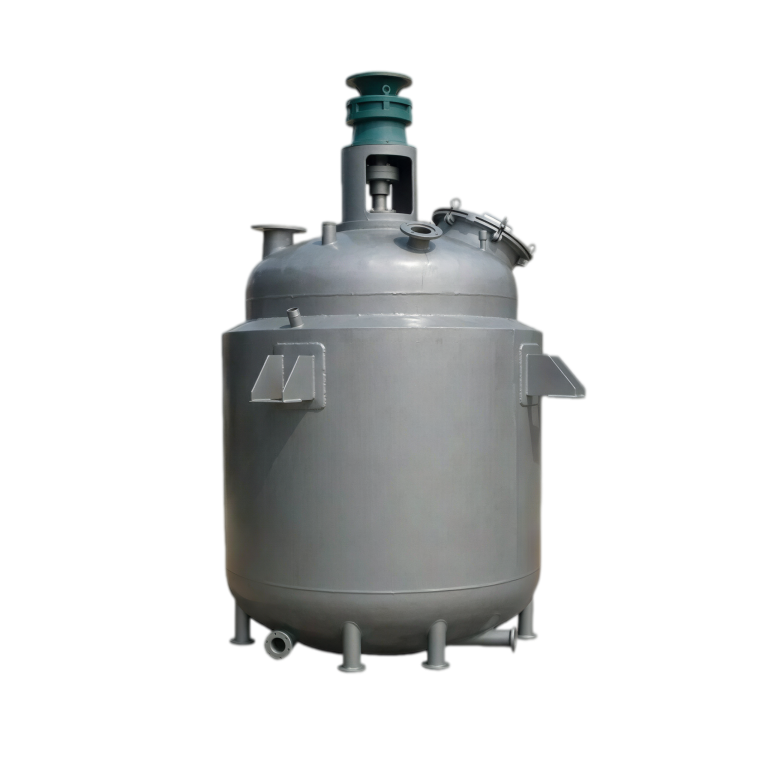
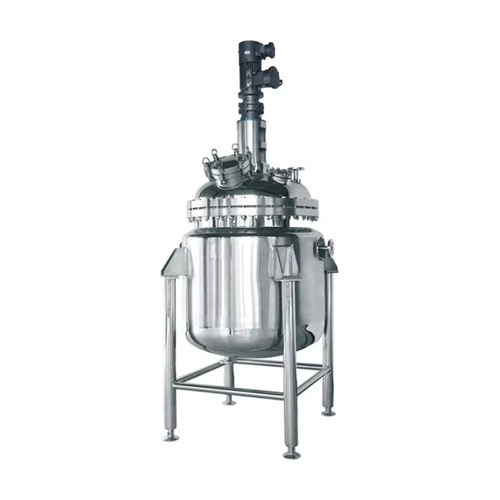
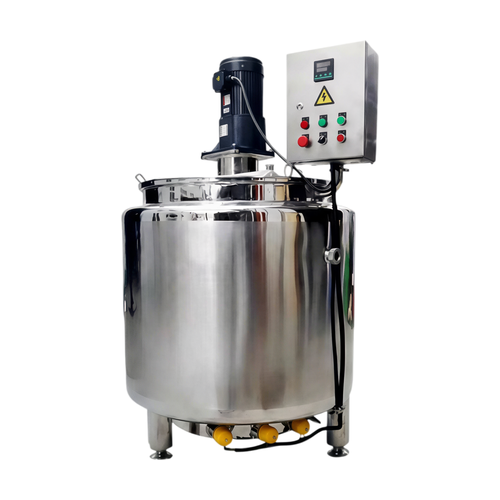

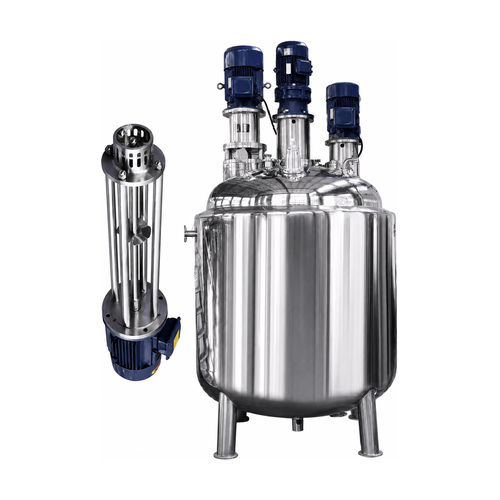
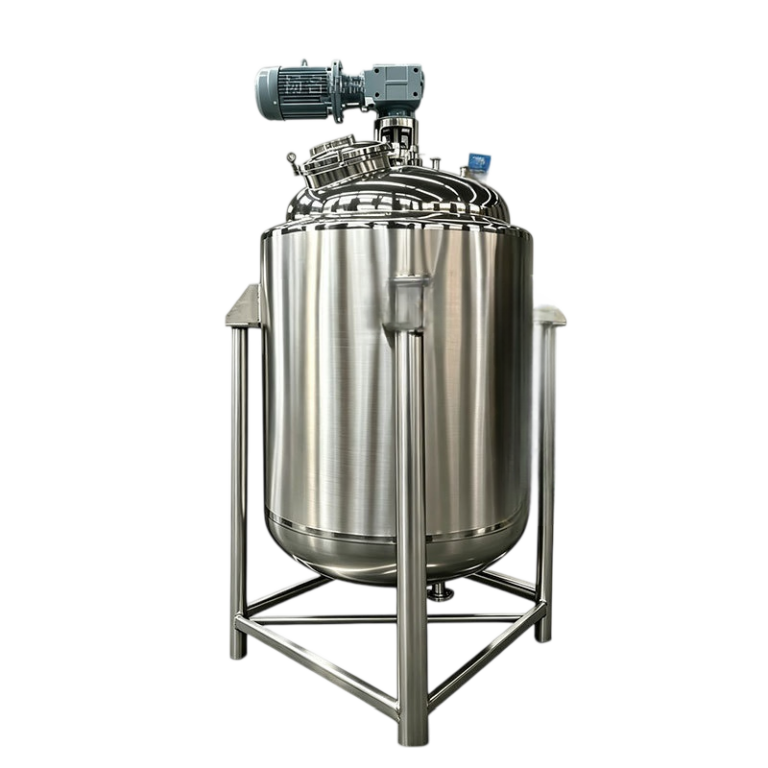
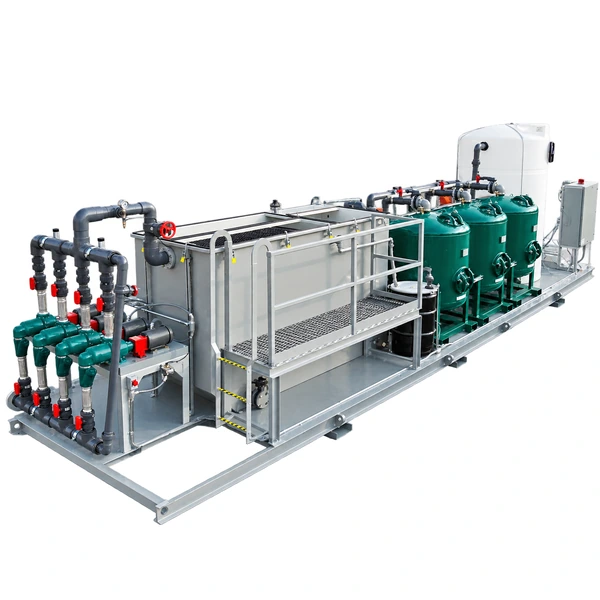
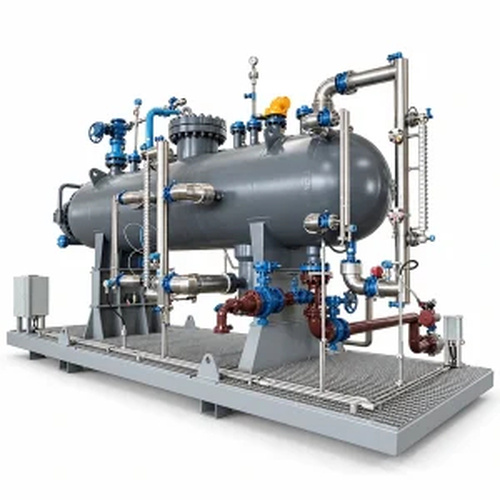
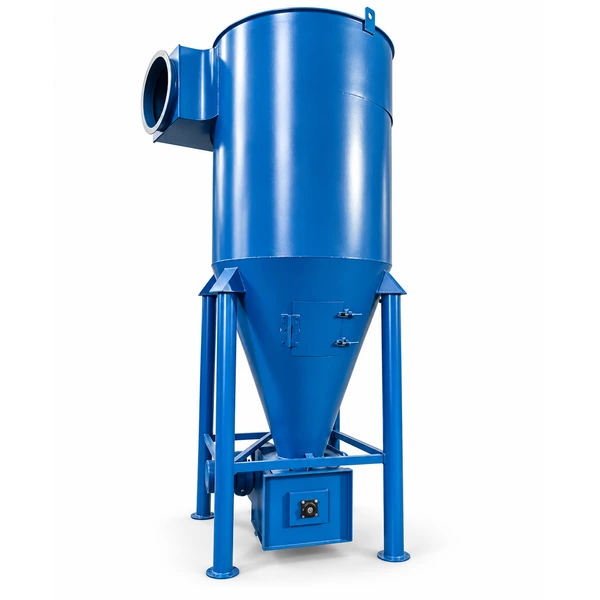
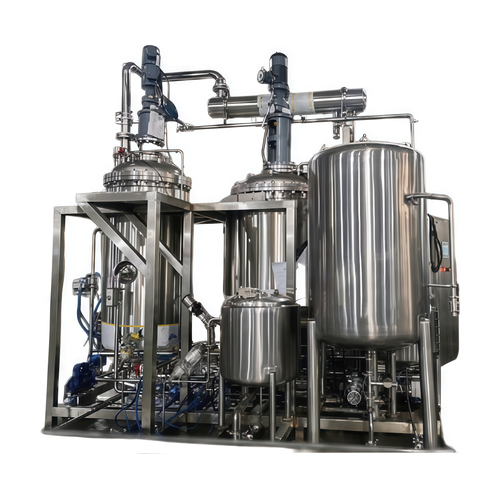
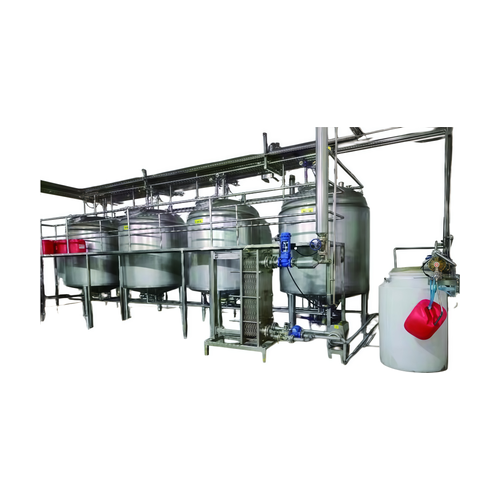
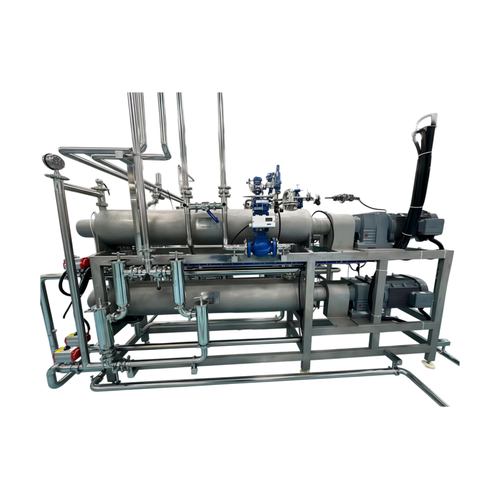
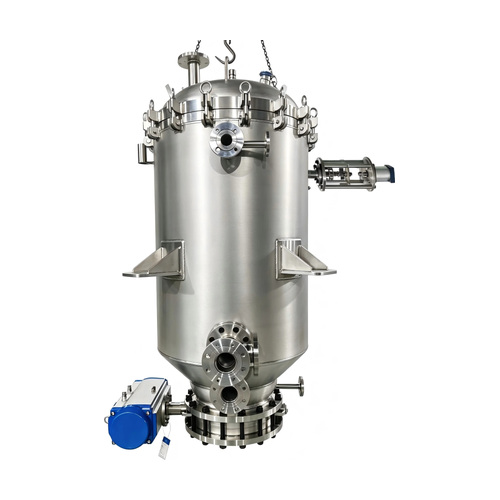
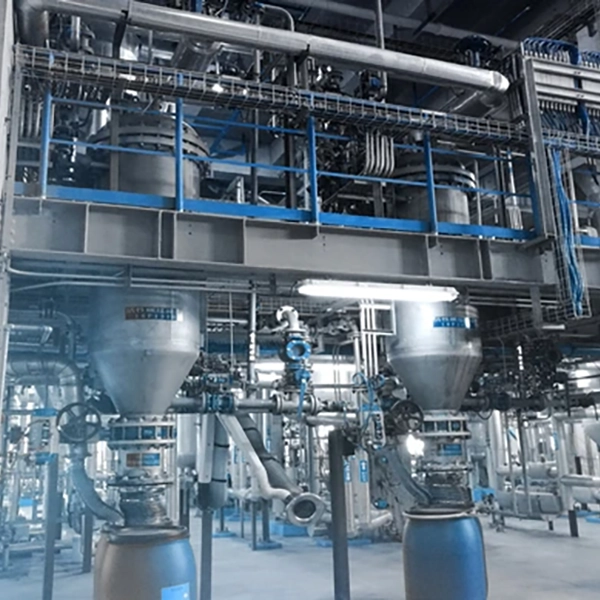
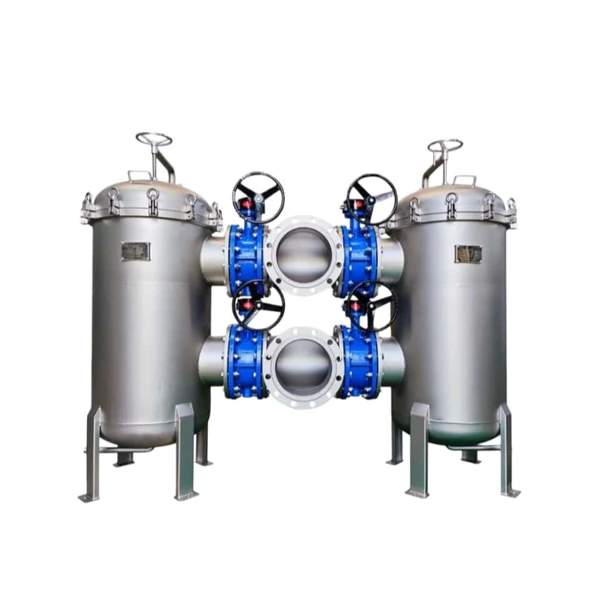
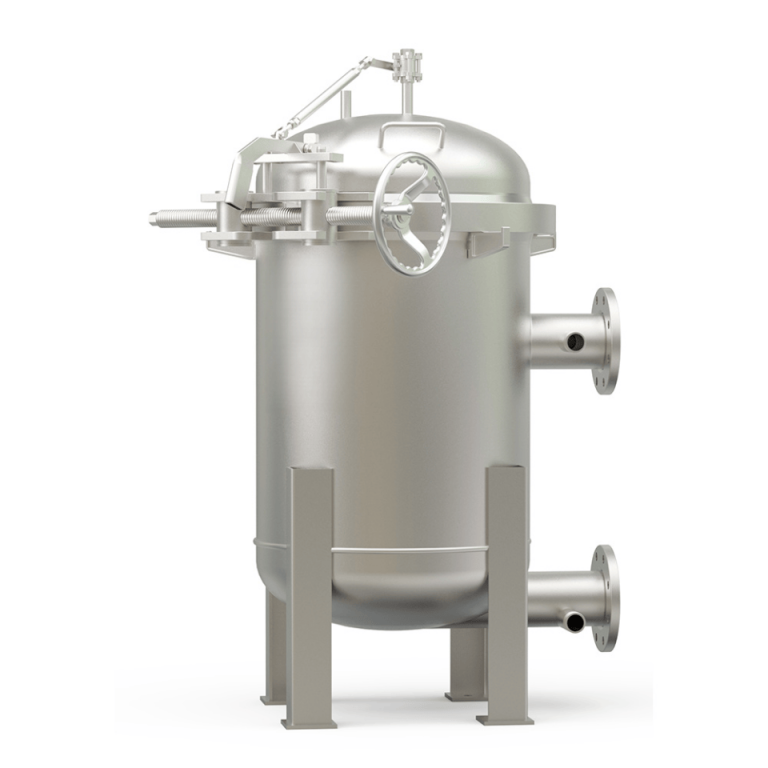
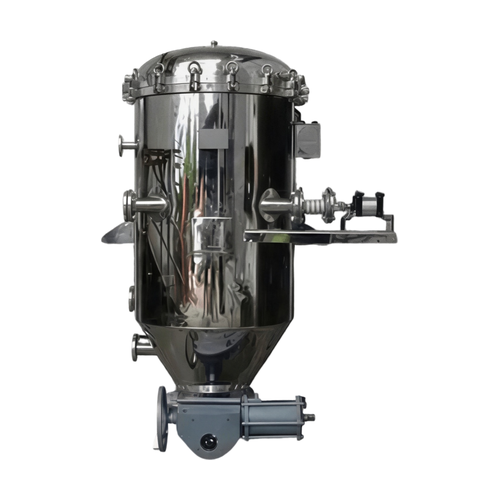
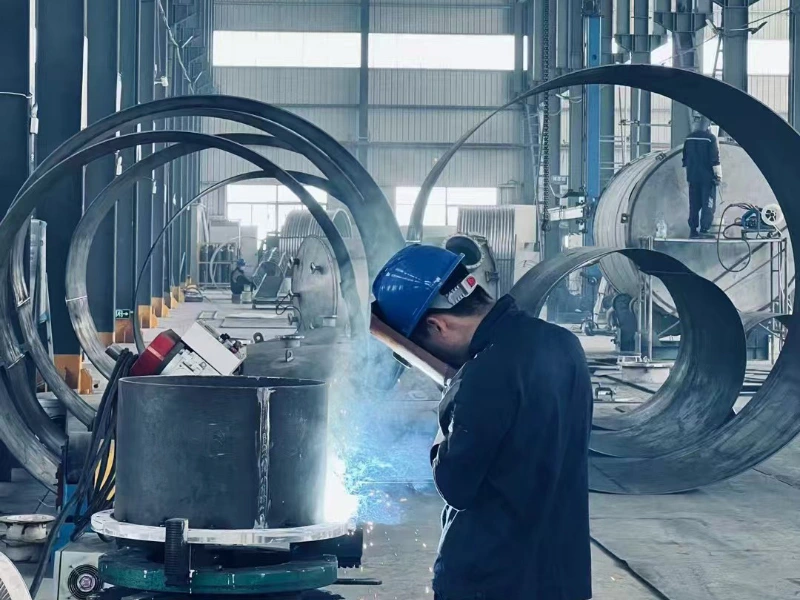
Carbon steel is widely used in pressure vessels, heat exchangers, reactors and other welded process equipment. It offers good strength, weldability and cost efficiency, but welded joints still need careful process control.
During welding, the weld area experiences rapid heating and cooling. This may leave residual stress around the weld and heat-affected zone. If not properly controlled, the equipment may face higher risks of cracking, deformation or leakage during pressure service.
Local heat treatment is one important method used to improve the reliability of carbon steel welded equipment. It helps reduce welding residual stress and supports safer long-term operation.
What Is Local Heat Treatment?
Local heat treatment means heating only a specific welded area instead of placing the whole vessel or equipment into a furnace. It is commonly used for large pressure equipment or for weld joints that require stress relief according to project specifications.
The process usually includes controlled heating, temperature holding and controlled cooling. The heated area covers the weld and nearby base metal, so that stress relief can be achieved more evenly.
For large carbon steel equipment, local heat treatment is often a practical solution. It allows manufacturers to treat important weld joints while keeping the whole equipment size, transport and production conditions under control.
Why Carbon Steel Welds Need Stress Relief
Welding introduces concentrated heat into the base metal. After cooling, residual stress may remain around the weld joint and heat-affected zone.
This stress may increase cracking sensitivity, especially in thick plates, restrained structures or pressure-bearing components. It may also affect dimensional stability during later fabrication, pressure testing or operation.
For pressure vessels and industrial heat exchangers, welded joints often work under pressure, temperature and process media. Stress relief helps improve weld joint stability and reduce potential service risks.
Key Control Points in Local Heat Treatment
Heating Range
The heating range should cover the weld and adjacent heat-affected zone. If the heated area is too narrow, stress relief may be uneven and new thermal stress may appear near the boundary.
Temperature Control
Stable temperature control is essential. Uneven heating can reduce heat treatment effectiveness and may create additional distortion or stress concentration.
Holding Time
The holding time should be determined according to material thickness, design code and project requirements. Too short a holding time may not provide enough stress relief.
Cooling Control
Cooling should be controlled after temperature holding. Rapid or uneven cooling may increase the risk of deformation or cracking.
Process Records
Temperature records are important for quality traceability. For pressure equipment projects, heat treatment records can support inspection, documentation review and final acceptance.
What Customers Should Ask Before Ordering
Customers should not only ask whether a supplier can fabricate carbon steel pressure equipment. They should also check whether the supplier can control welding and heat treatment when required.
Useful questions include whether heat treatment is required by the design code, which weld joints need local treatment, how temperature is monitored, and whether heat treatment records can be provided.
These questions help customers reduce risks during fabrication, pressure testing, inspection and long-term operation.
How Tinsins Supports Carbon Steel Equipment Projects
Tinsins manufactures custom pressure vessels, heat exchangers and process equipment according to customer drawings, material requirements and project specifications.
For carbon steel welded equipment, we focus on welding procedure control, dimensional inspection, nondestructive testing, pressure testing and heat treatment control when required.
By controlling welding and local heat treatment together, Tinsins helps customers reduce cracking risks, improve weld joint reliability and support smoother project acceptance.
Conclusion
Local heat treatment is not just an additional manufacturing step. For carbon steel pressure equipment, it is closely related to welding quality, stress control and long-term service reliability.
When customers purchase carbon steel pressure vessels, heat exchangers or reactors, heat treatment capability can reflect a manufacturer’s welding control, process discipline and project delivery reliability.