Pressure Vessel & Process Equipment Manufacturer
Volumetric Heat Exchanger
Reboilers
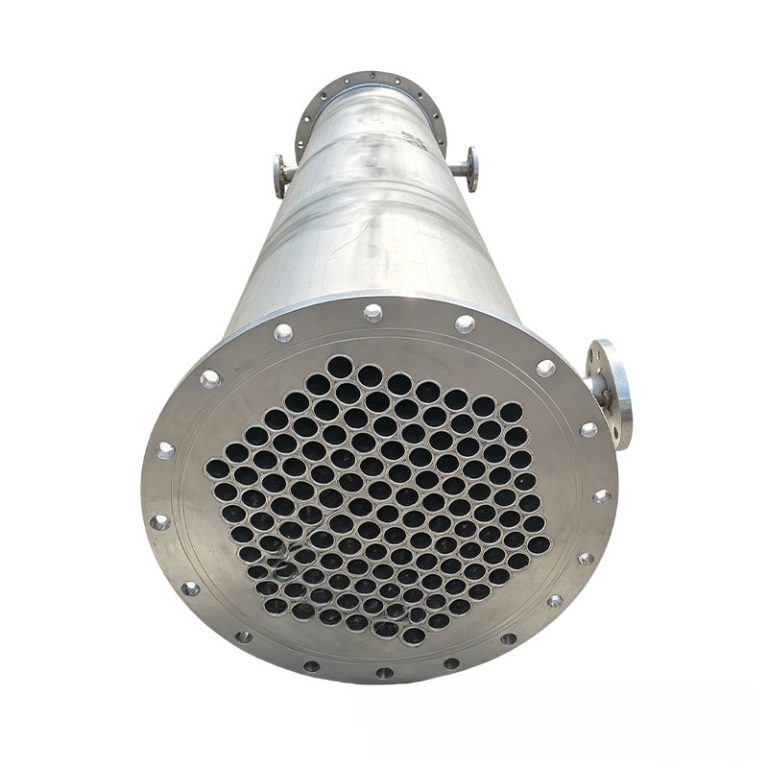
U-Tube Heat Exchangers
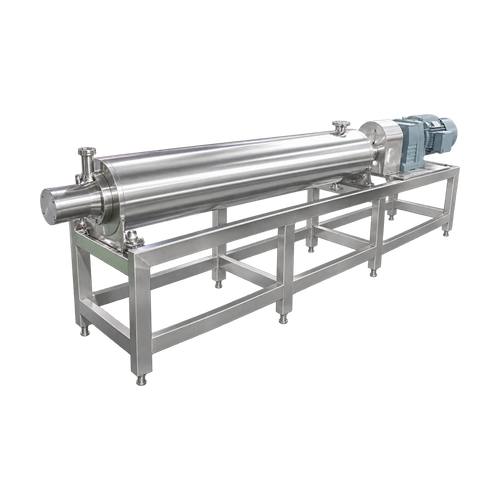
Scraped Surface Heat Exchanger
heat-exchanger4
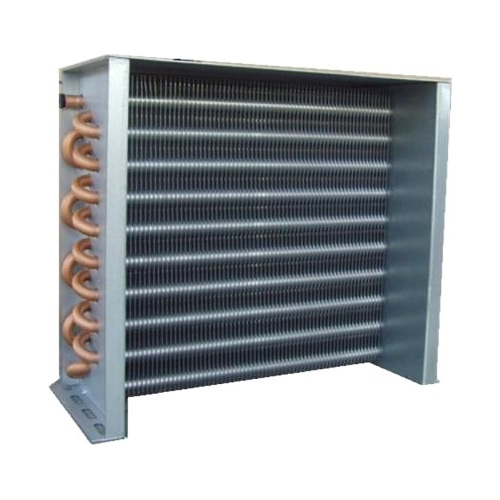
Finned Tube Heat Exchangers
Carbon Steel Reactors
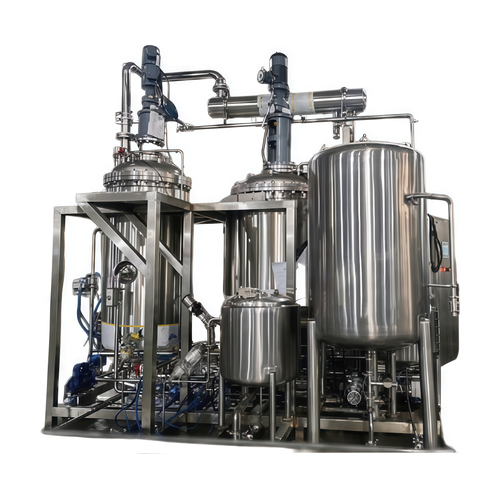
Stainless Steel Reactors
Heating and Cooling Reactors
Vacuum Reactors
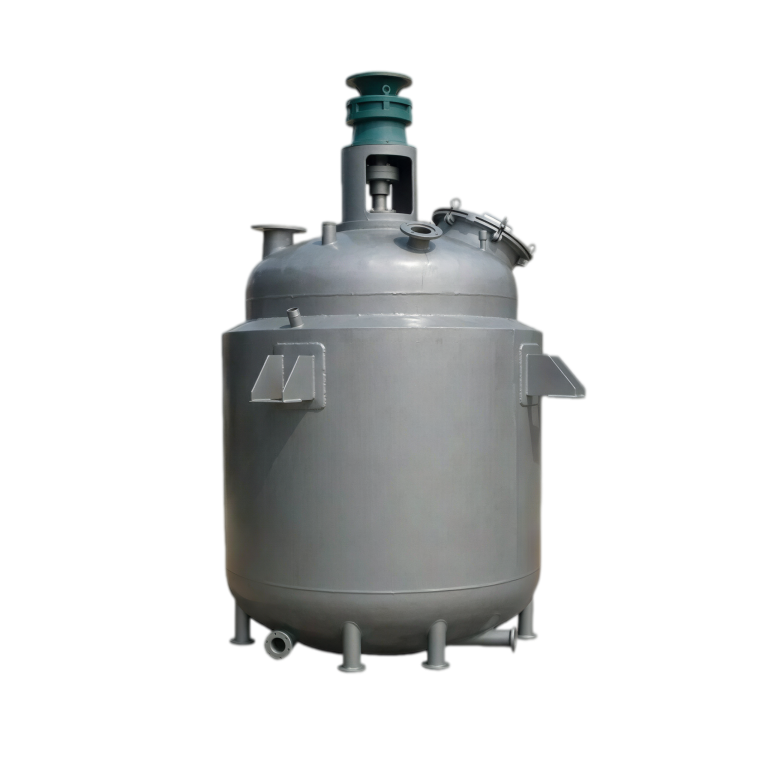
Jacketed Reactors
High-Pressure Reactors
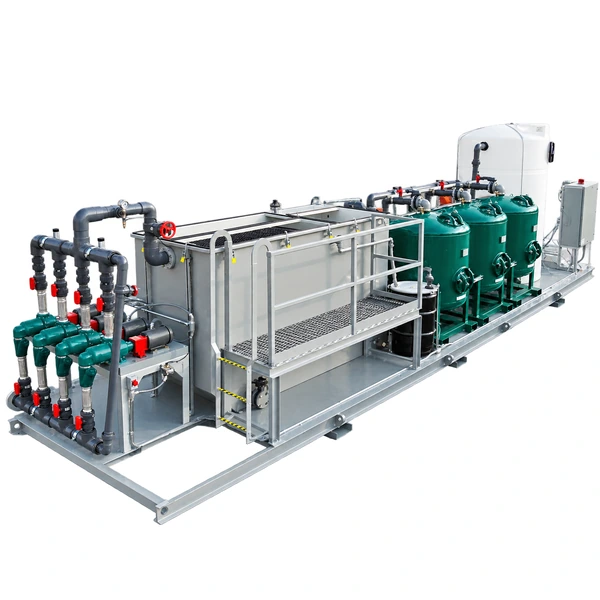
Oil Water Separator
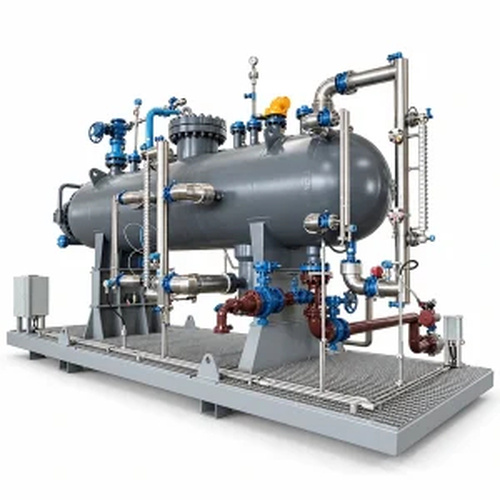
Gas-Liquid Separators
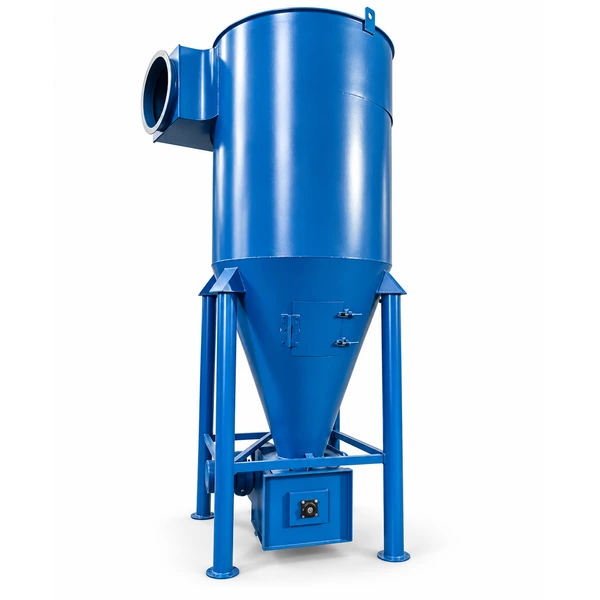
Cyclone Separators
mixing system
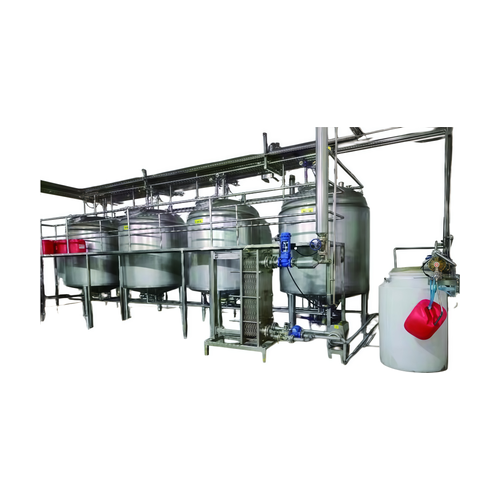
CIP Cleaning system
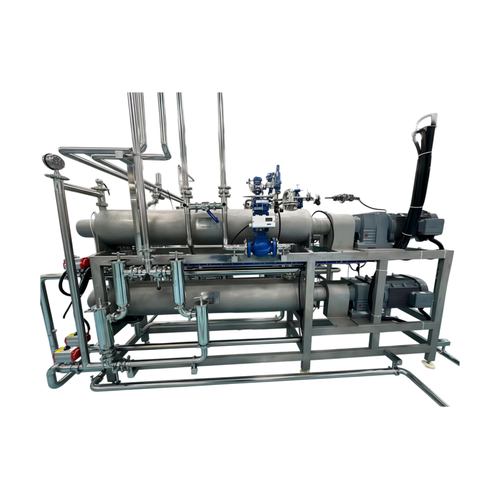
Heat Transfer system
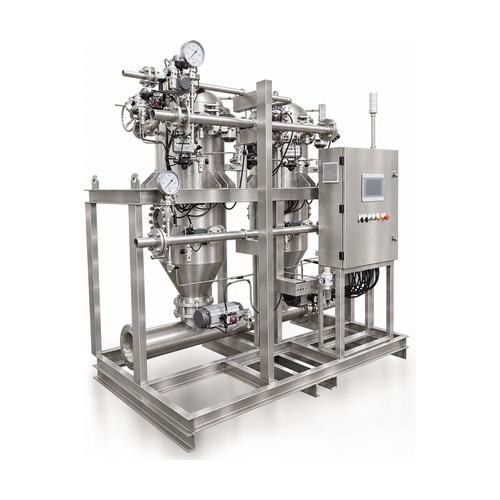
Filtration system
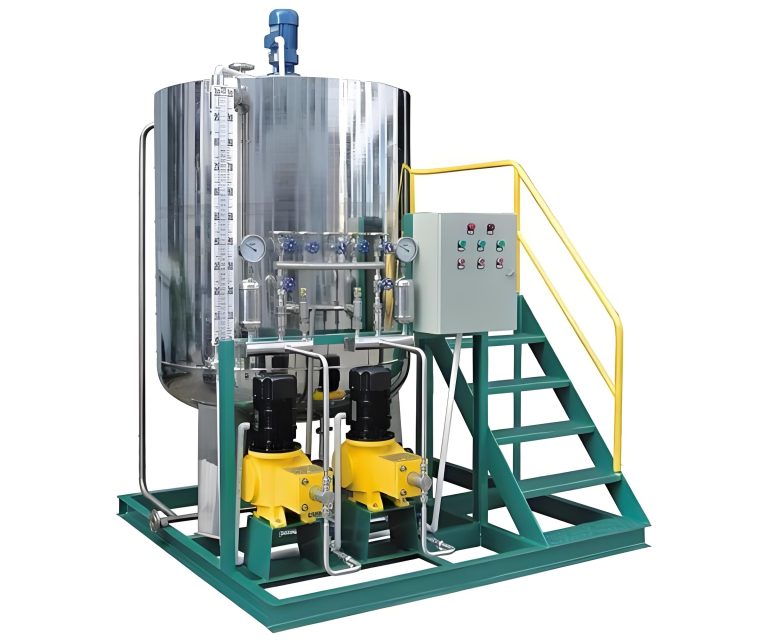
Chemical Dosing system
Custom Storage Tanks
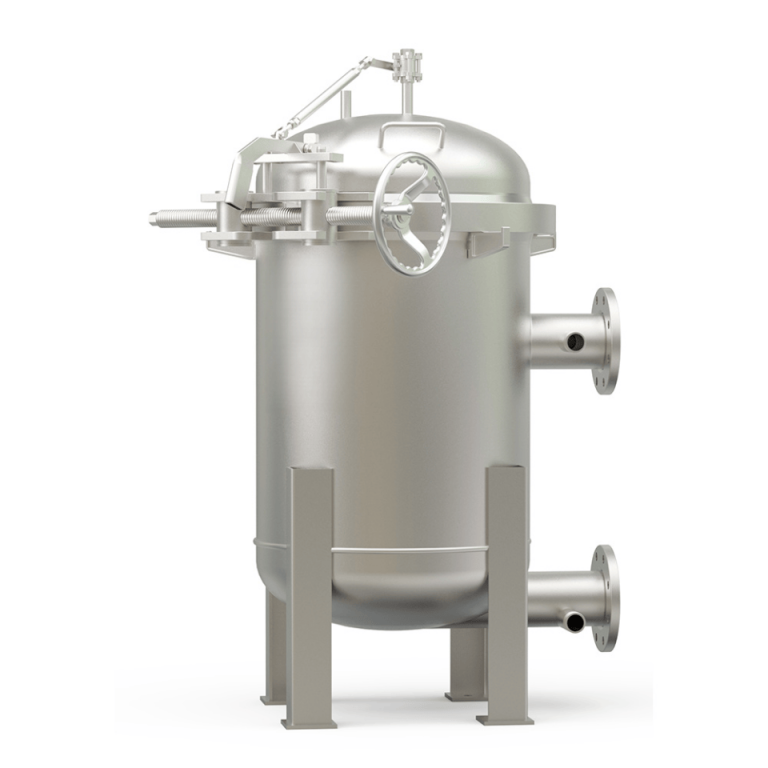
Backwash Filters
Precision Filter
Industrial Filtration System
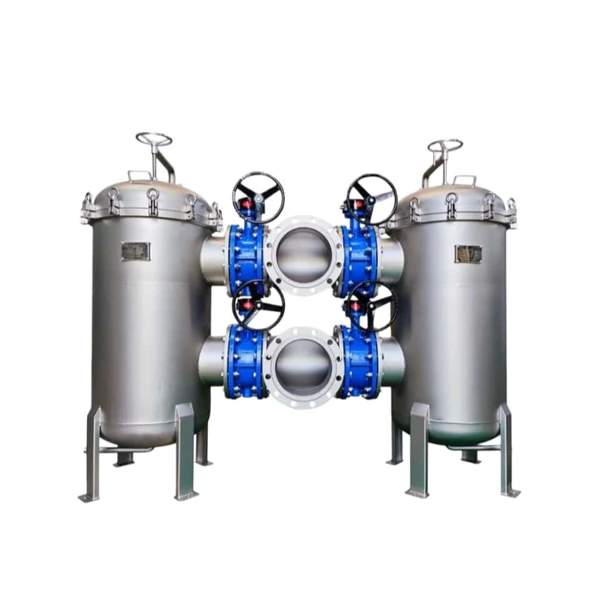
Duplex Filter
Bag Filter
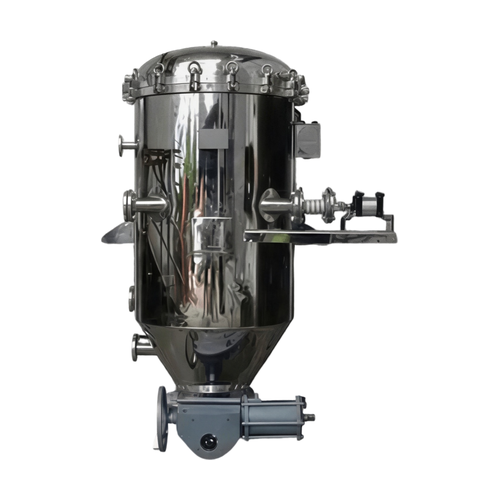
Candle Filter

Custom Chemical Reactor Manufacturer in China

Chemical reactors are manufactured from stainless steel and special alloys for chemical processing. Tinsins provides welding, NDT and pressure testing

Reactors
Products Categories
Get A Free Quote
Contact Form

Choose Chemical Reactor Vessels for Batch and Continuous Processing

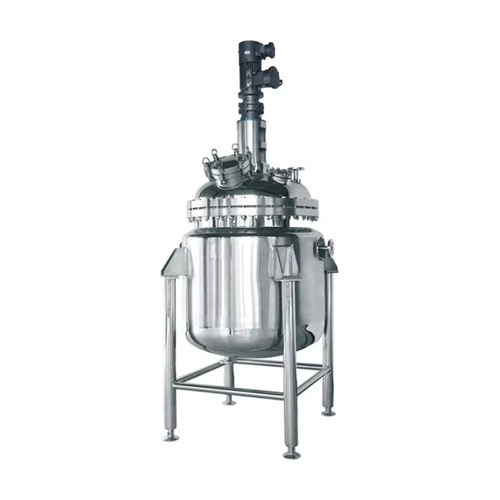
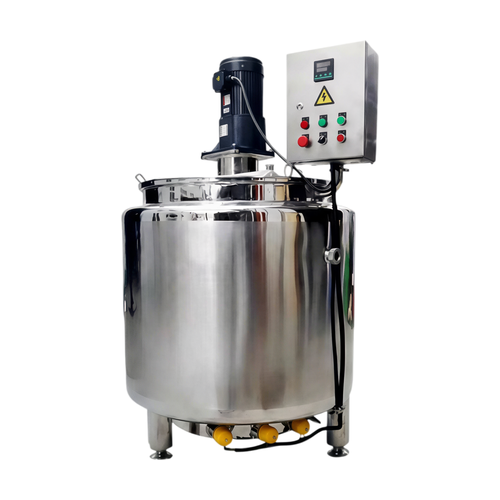
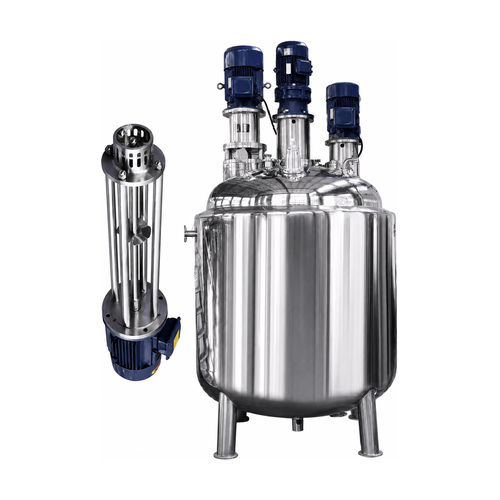
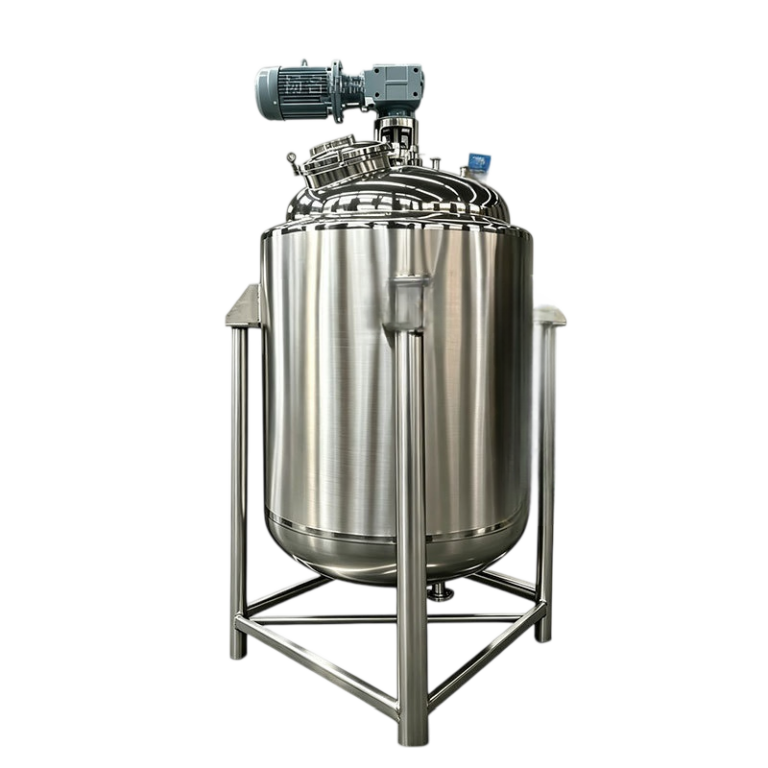
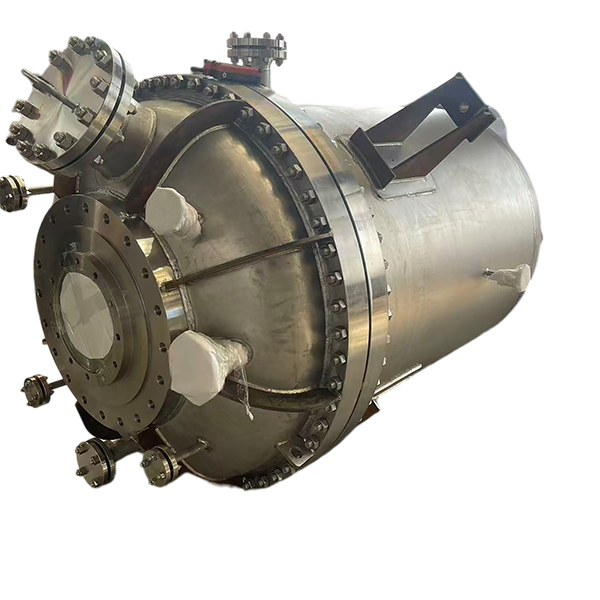
Chemical reactor vessels differ in mixing duty, heat-transfer method, pressure, batch size and material. Tinsins manufactures batch reactor vessels, jacketed chemical reactors, continuous stirred tank reactors, stainless steel reactors and high-pressure reactor vessels according to approved project data. The review covers jacket and coil connections, agitator mounting, baffles, dip pipes, spargers, sampling points, manways, supports and transport limits. For custom reactor vessels, we return unclear interfaces for confirmation before plate cutting and nozzle fabrication begin.

High-Pressure Reactors
Jacketed Reactors
Vacuum Reactors
Heating and Cooling Reactors
Stainless Steel Reactors
Carbon Steel Reactors

Why Choose Tinsins for Chemical Reactor Vessels

Pressure integrity alone does not guarantee that a reactor will perform well. Poor jacket circulation, an unsuitable agitator interface or restricted cleaning access can create operating problems after installation. Share the reaction medium, batch volume, pressure, temperature, thermal duty, mixer information and inspection requirements. Tinsins reviews the vessel arrangement and manufacturing details before production, then controls material traceability, welding, dimensional verification, required NDT and hydrostatic testing through the agreed inspection plan.

Applications

Chemical and Fine Chemical Manufacturing

Provides controlled mixing, heating and cooling for synthesis and neutralization, improving batch consistency and reducing temperature or concentration variation.

Pharmaceutical and API Production

Supports reaction, crystallization and solution preparation where cleanable surfaces, material traceability and controlled processing help reduce contamination and validation risks.

Resin, Polymer and Coatings Production

Handles changing viscosity and reaction heat during polymerization, helping maintain mixing, temperature control and consistent resin or coating quality.

New Energy and Specialty Materials

Processes corrosive or high-purity media for battery materials, catalysts and specialty chemicals, using project-specific alloys to reduce corrosion and product contamination.
Advantages

Confirm-Thermal-Arrangement-Icon
Confirm the Thermal Arrangement

Before the jacket is built, utility conditions, heat duty, connection locations and circulation path are checked against the process requirement.
Coordinate-Agitator-Interface-Icon
Coordinate the Agitator Interface

Mixer flange loads affect more than one nozzle. Shaft clearance, baffles, supports and seal access are reviewed together to prevent assembly conflicts.

Limit-Distortion-During-Fabrication-Icon
Limit Distortion During Fabrication

Fit-up sequence, heat input and staged dimensional checks help preserve shell roundness, flange alignment and jacket clearance.

Prepare-Handover-Package-Icon
Prepare the Handover Package

Material certificates, weld records, examination reports, dimensional results and test documents are compiled to the agreed project scope.
FAQs

Q1: What information is needed to quote a chemical reactor vessel?

A: Provide the reaction medium, batch volume or flow rate, operating and design conditions, heat duty, utility data, agitator details, material grade, corrosion allowance, nozzle schedule, design code and inspection requirements.

Q2: How do I choose between a batch reactor and a continuous stirred tank reactor?

A: Batch reactors suit flexible recipes and defined production cycles. Continuous stirred tank reactors suit continuous feed and discharge. Process kinetics, residence time, mixing requirements and production rate determine the appropriate type.

Q3: What affects the heating and cooling performance of a jacketed reactor?

A: Heating and cooling time depends on the heat-transfer area, jacket type, utility temperature and flow rate, fouling, product viscosity, agitator performance and vessel-wall resistance.

Q4: How does a high-pressure reactor vessel differ from a standard reactor?

A: Higher operating pressure affects wall thickness, nozzle reinforcement, bolting, fatigue assessment, welding, NDT and pressure testing. The applicable design code and expected pressure cycles must be defined for each project.

Q5: Can Tinsins build a stainless steel chemical reactor from customer drawings?

A: Yes. Before manufacturing, we review the drawings, alloy grade, joint details, surface requirements, agitator interface, dimensional tolerances, inspection points and transportation limits.

Q6: How do you limit distortion in a jacketed reactor vessel?

A: The manufacturing plan controls fit-up, welding sequence, heat input and staged dimensional inspections. Shell roundness, flange position, jacket clearance and nozzle coordinates are checked throughout fabrication.

Scroll to Top

Get A Free Quote Now !

Contact Form
If you have any questions, please do not hesitate to contatct with us.
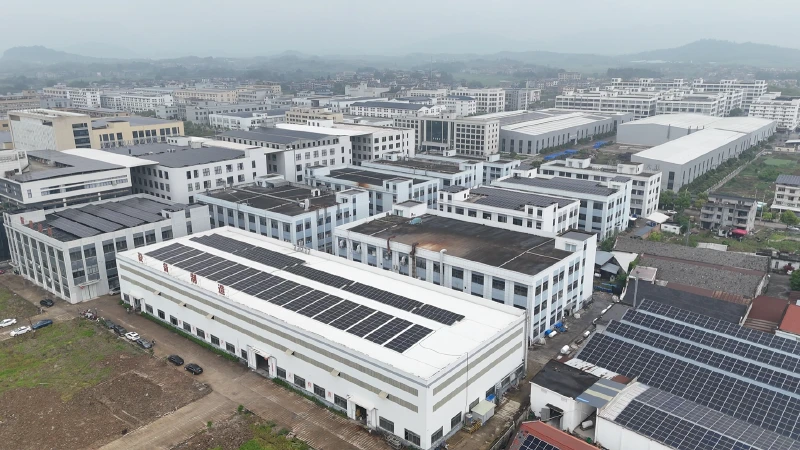
Factory