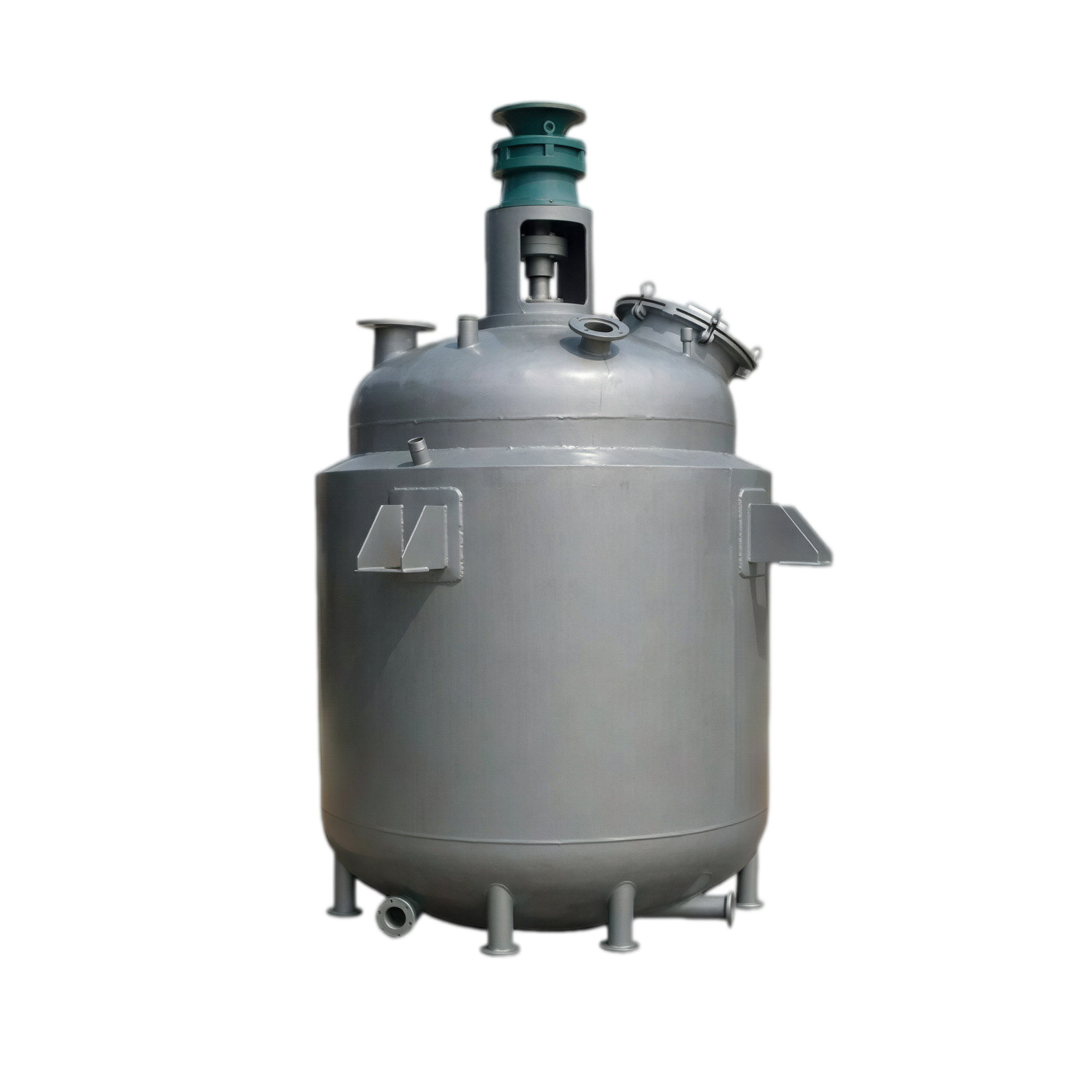
Air-Cooled Finned Tube Heat Exchanger for Process Duty
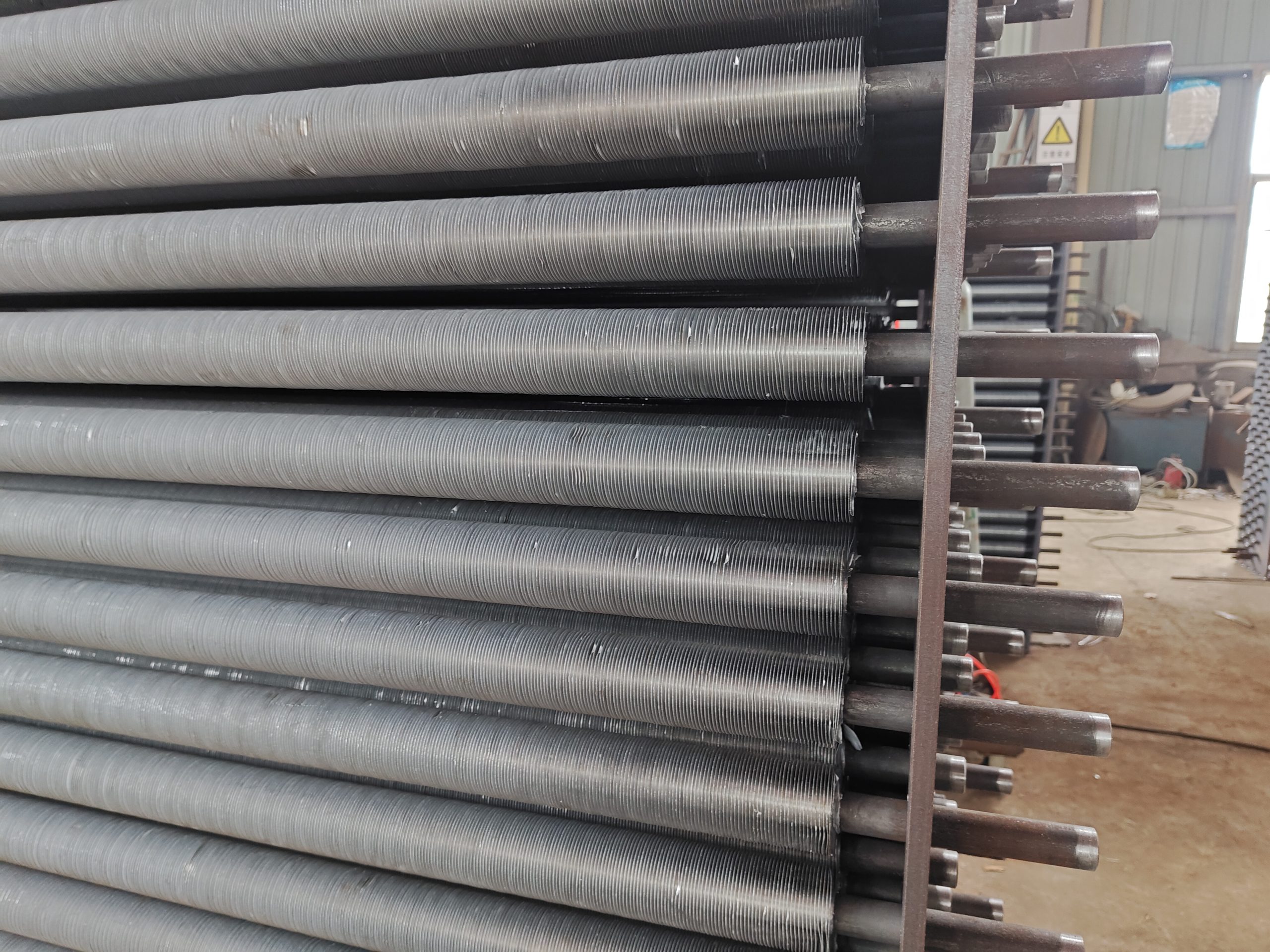
Where air or gas controls the thermal resistance, finned tubes provide extra surface without making the pressure-containing tube unnecessarily large.
1. Extended surface for low heat-transfer coefficients
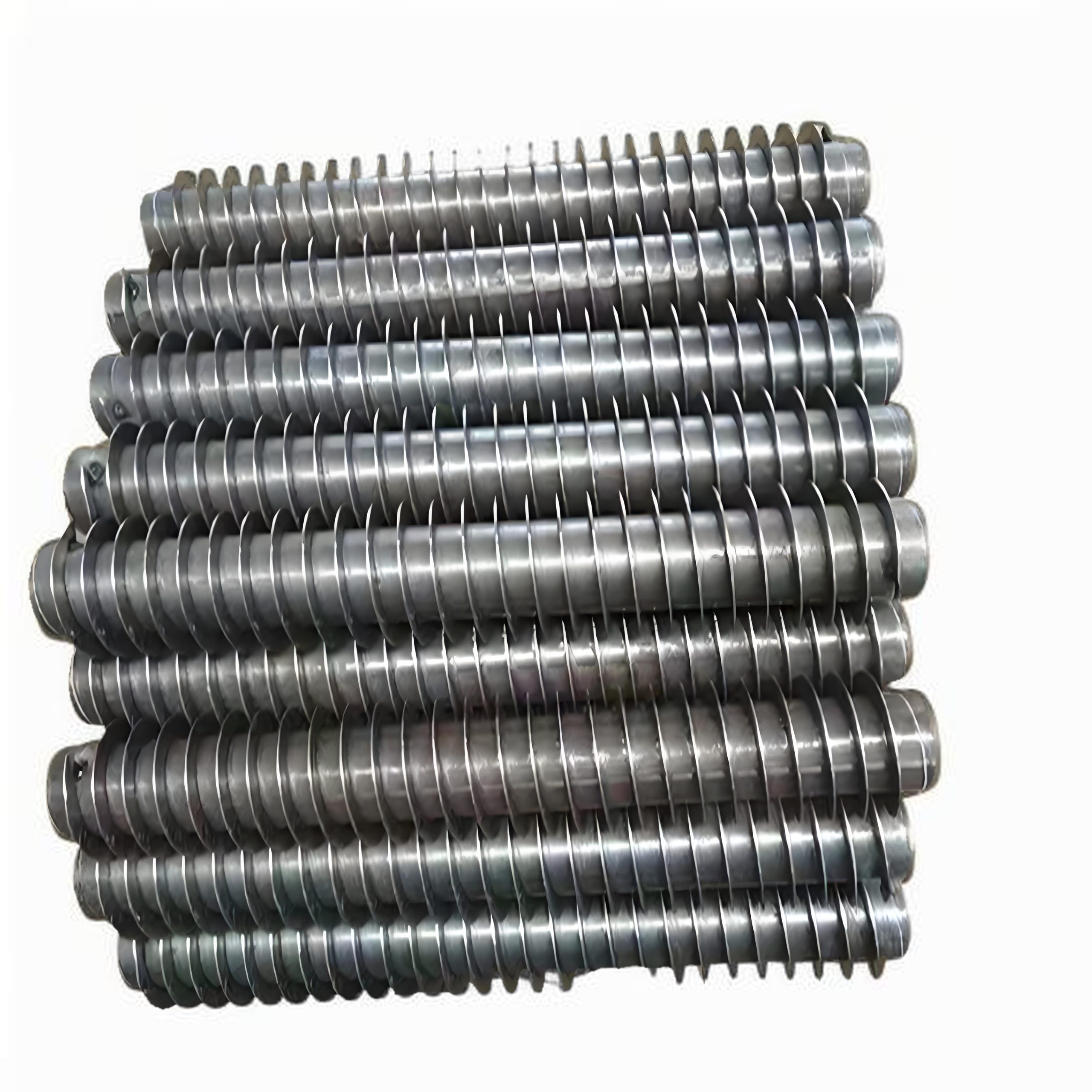
Fins increase the external area where air or gas controls thermal performance. 2. Fin and tube materials selected separately
Carbon steel, stainless steel, and compatible fin materials are selected based on temperature and corrosion exposure. 3. Geometry matched to fouling risk
Fin pitch, tube spacing and cleaning access are reviewed before the bundle arrangement is fixed. 4. Fabrication checked for thermal service
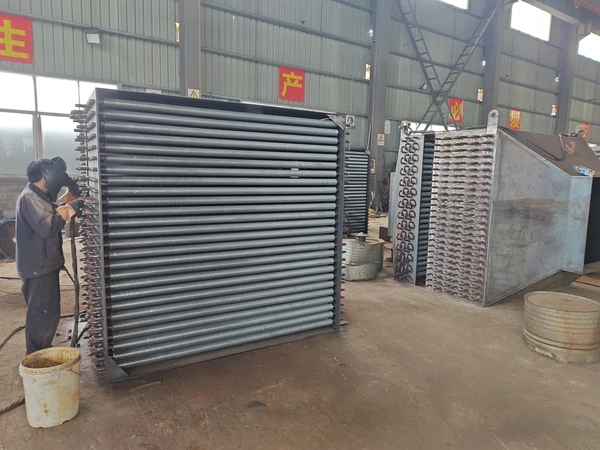
Tube joints, dimensional alignment, weld quality, and pressure containment follow the agreed inspection plan.
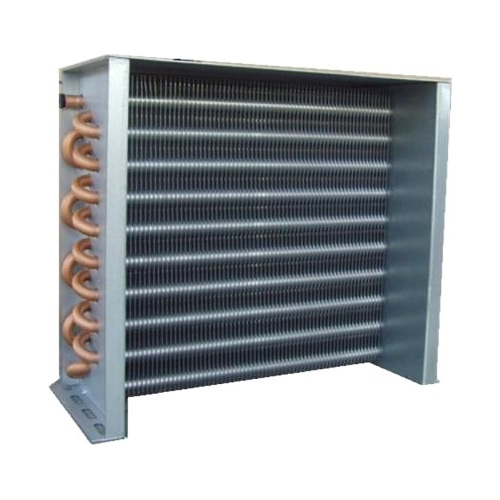
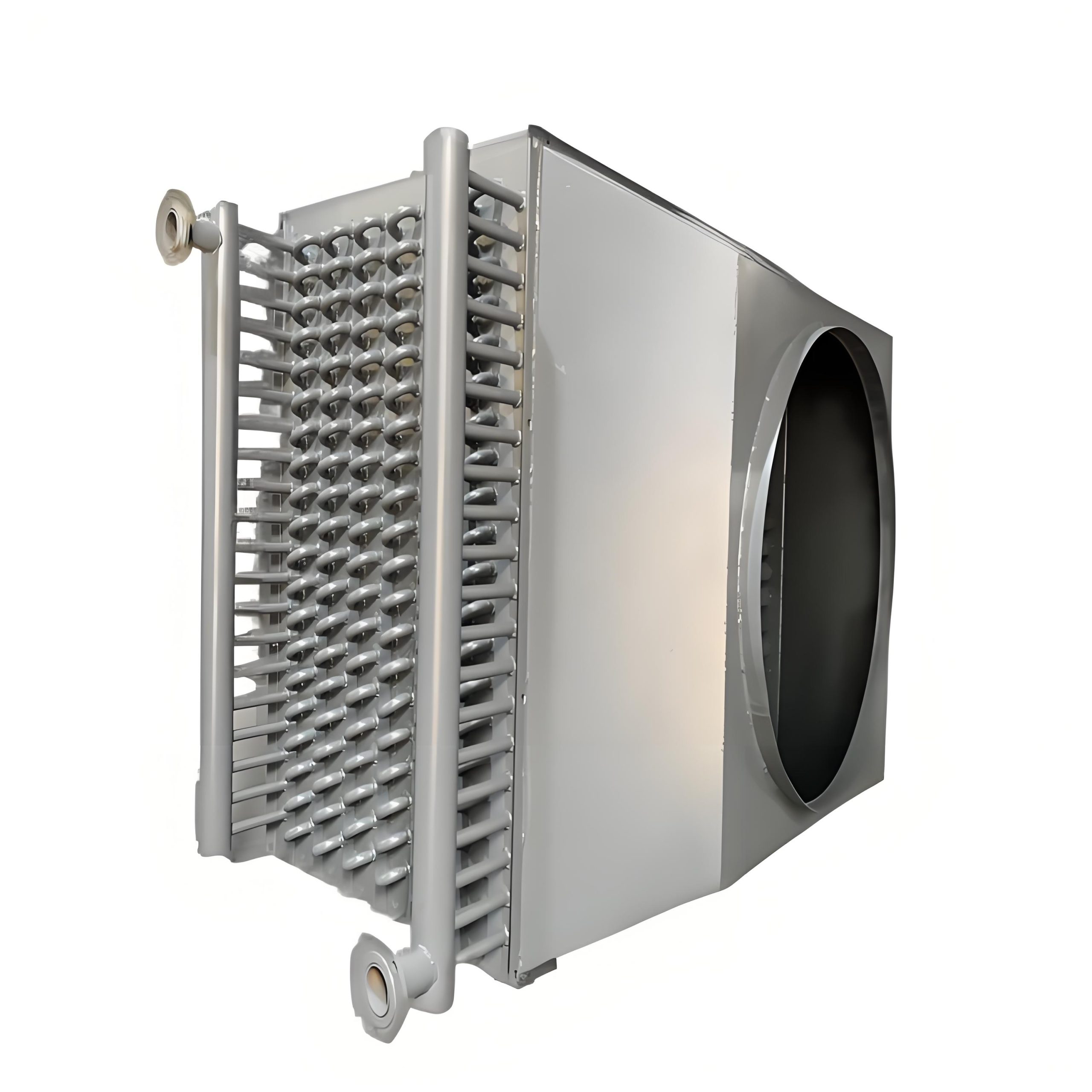
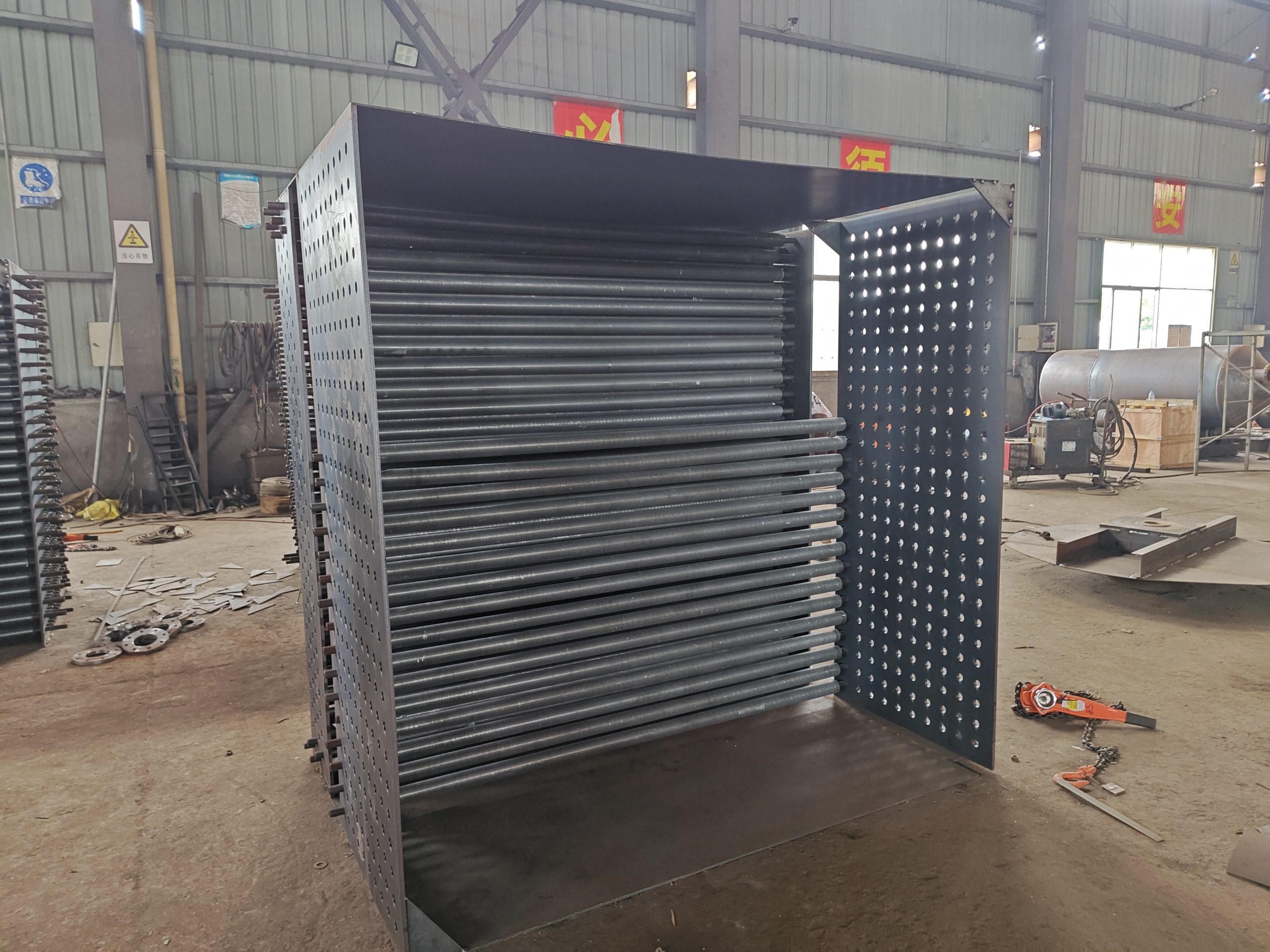
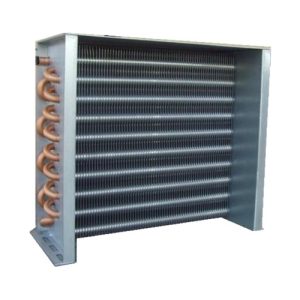
A finned tube heat exchanger transfers heat between a process fluid flowing inside the tubes and air or gas passing across the external fins. The fins increase the effective surface area on the air side, improving heat transfer where the gas-side thermal resistance is relatively high. This industrial finned tube heat exchanger for air cooling can be configured for process cooling, heating, condensation, or heat recovery. Tube material, fin material, fin spacing, and bundle arrangement are selected according to fluid compatibility, operating temperature, fouling tendency, and cleaning requirements. Final sizing requires confirmed flow rates, inlet and outlet temperatures, design pressure, and allowable pressure drop.
Finned Tube Heat Exchanger Technical Data Sheet
Finned Tube Heat Exchanger Technical Data Sheet
Parameter
Tinsins Typical Manufacturing Range
Unit / Configuration
Heat duty
10 kW–10 MW
Project range
Flow arrangement
Forced draft, induced draft or process gas
System interface
Allowable pressure drop
Project-defined
kPa
Tube-side design pressure
Full vacuum to 4.0
MPa
Tube-side design temperature
-20 to 400
°C
Gas-side temperature
Up to 600
°C
Tube outside diameter
16–38
mm
Fin pitch
2–12
mm
Tube length
1,000–12,000
mm
Tube rows / passes
Project-calculated
Rows / passes
Fin height and thickness
Duty-specific
mm
Gas-side face velocity
Project-calculated
m/s
Header configuration
Plug, cover or welded header
Project option
Fin type
Embedded, wrapped, extruded or welded
Project option
Tube material
Carbon steel, 304/304L, 316/316L
Project selection
Fin material
Carbon steel, stainless steel or aluminum
Project selection
Cleaning provision
Air, water, steam or mechanical access
Project option
Inspection and test
Tube/header NDE, pressure test and dimensional check
ITP
Applicable design basis
GB/T 150 / GB/T 151 or project code
Custom fabrication
Required RFQ data
Both-side flow, composition, properties and inlet/outlet temperatures
Customer input
Request a Finned Tube Heat Exchanger Review
Send the duty, fluid data, ambient conditions and allowable pressure loss. We will review whether the fin arrangement is practical to manufacture and maintain.
Air coolers for process plants
Used when cooling water is restricted or an air-cooled arrangement is preferred. Fan duty, ambient temperature and fouling all affect the result.
Exhaust-gas heat recovery
Additional gas-side area can recover heat from relatively clean exhaust streams. Dust and condensate behavior must be checked before selecting fin spacing.
Gas and air heating
Common in drying, combustion-air and utility systems where low gas-side film coefficients govern exchanger size.
Oil and utility cooling
Compact finned bundles can remove heat from lubricating oil or other clean fluids when external airflow is available.
Finned Tube Heat Exchanger Fabrication Video
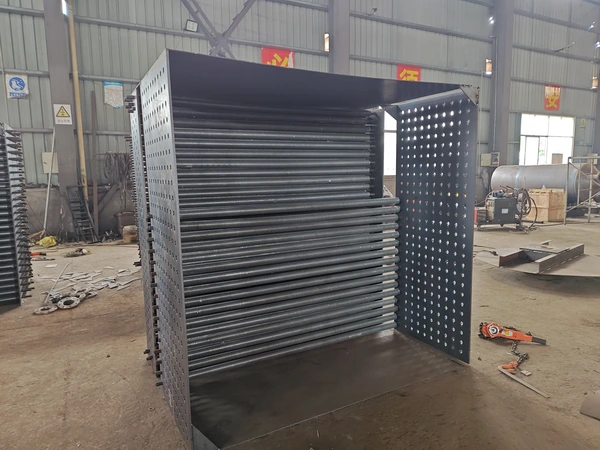
Detail Display
Finned Tube Pitch and Fouling
Having more surface area does not always improve performance. A fine pitch adds area, but dust, fibers, or sticky deposits can fill the spaces between fins. Consider cleaning access and potential contamination before finalizing the bundle layout.
Fin Material at Elevated Temperature
The tube and fin do not always need to be made from the same alloy. Factors like thermal expansion, attachment method, corrosion risk, and the highest metal temperature will affect whetherwhether your chosen materials will last.