
Pressure Vessel & Process Equipment Manufacturer
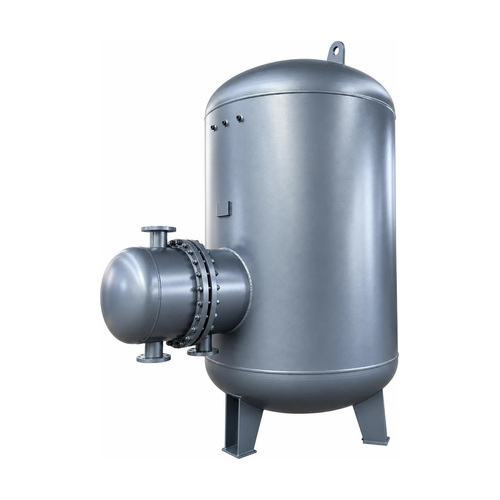
Volumetric Heat Exchanger
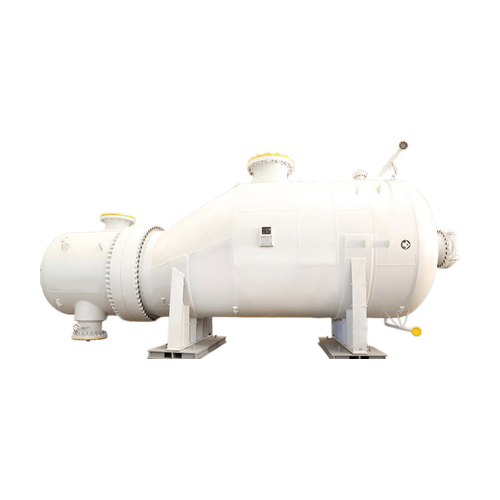
Reboilers
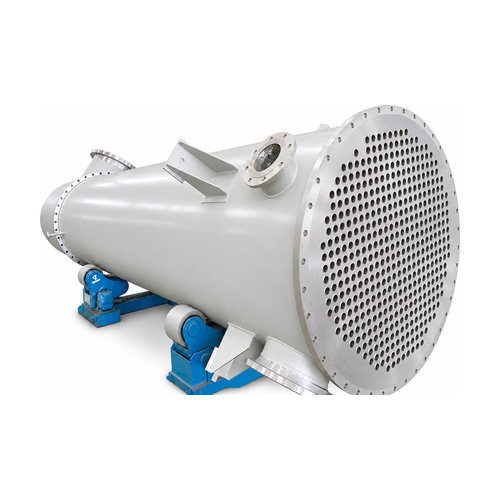
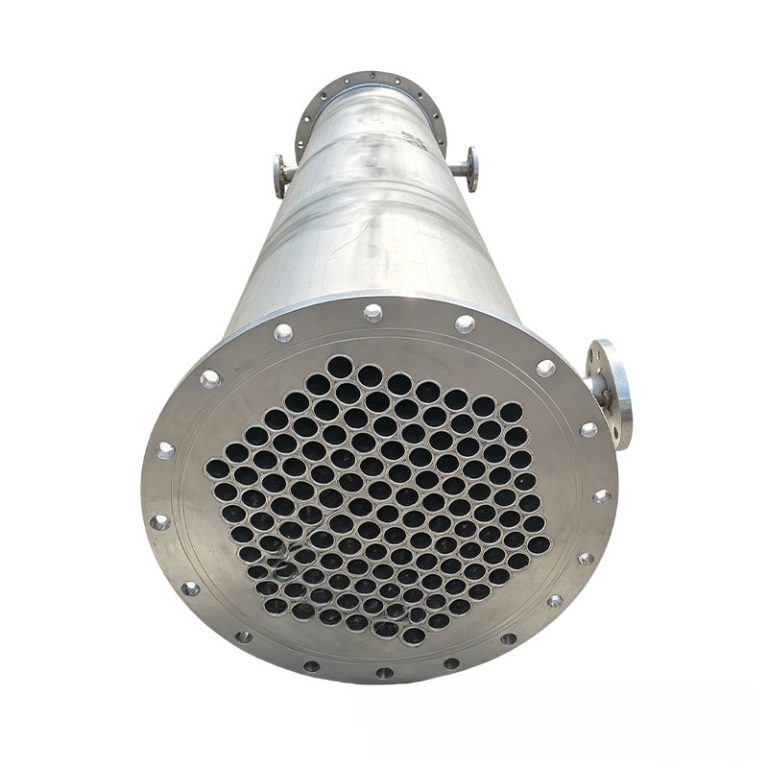
U-Tube Heat Exchangers
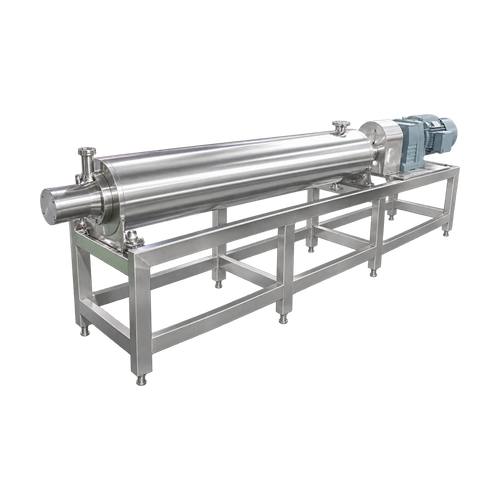
Scraped Surface Heat Exchanger
heat-exchanger4
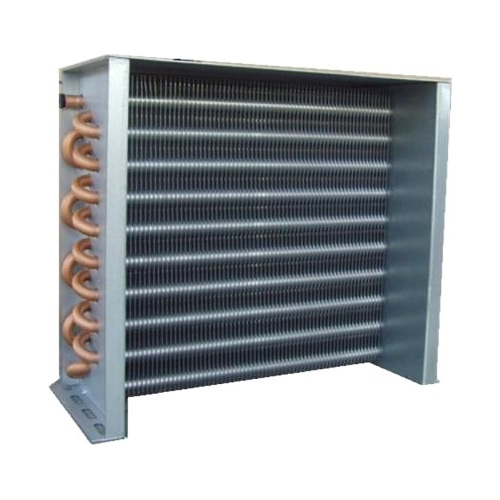
Finned Tube Heat Exchangers
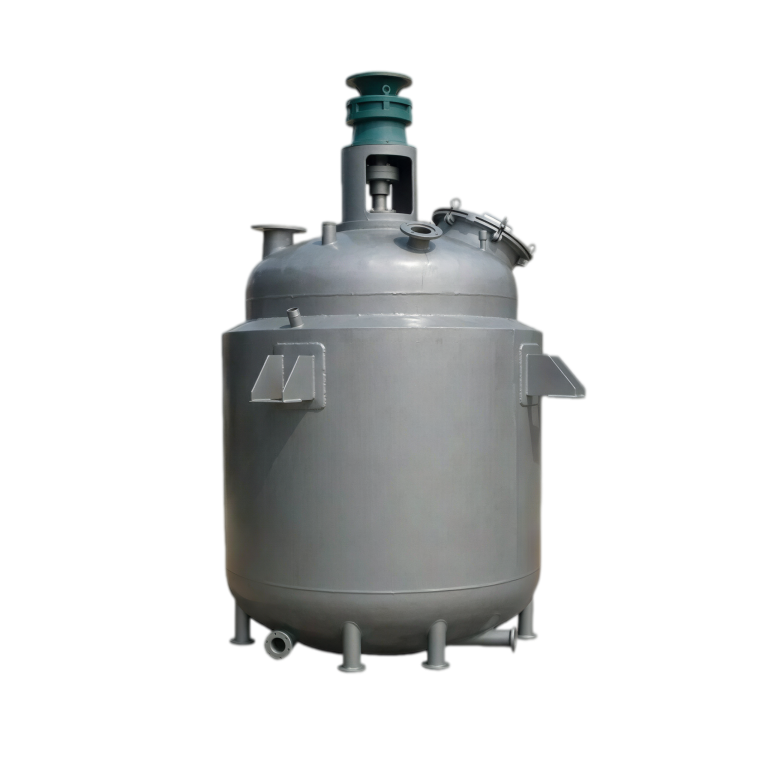
Carbon Steel Reactors
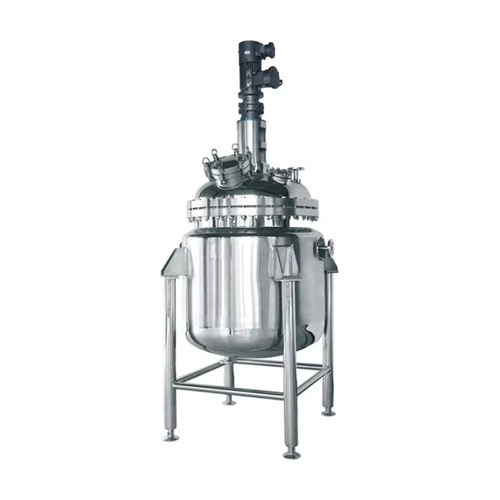
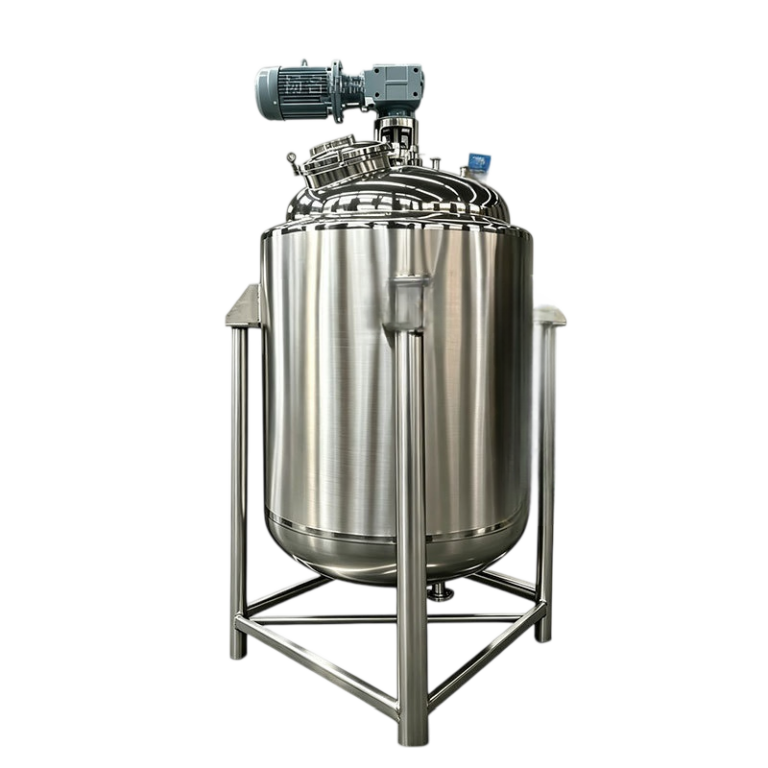
Stainless Steel Reactors
Heating and Cooling Reactors
Vacuum Reactors
Jacketed Reactors
High-Pressure Reactors
Oil Water Separator
Gas-Liquid Separators
Cyclone Separators
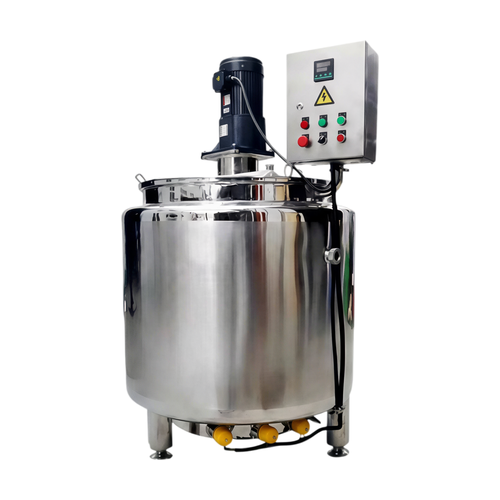
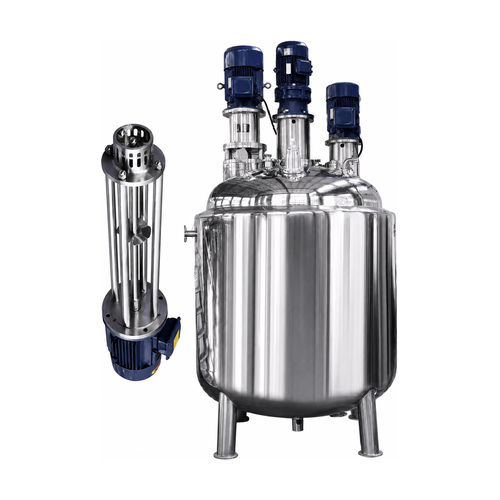
mixing system
CIP Cleaning system
Heat Transfer system
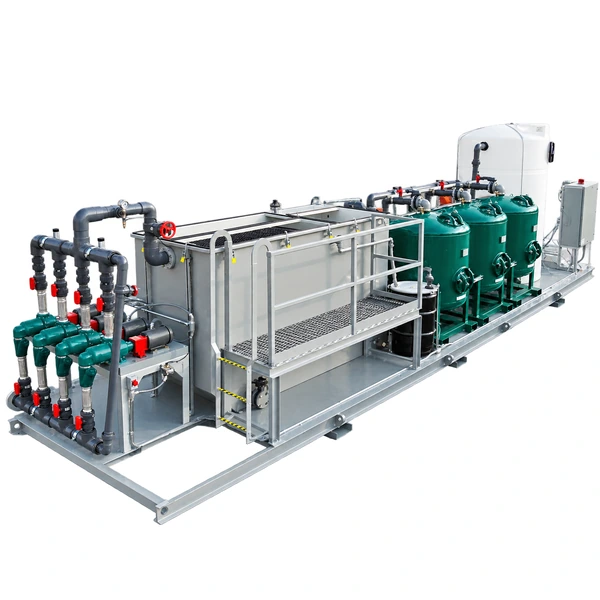
Filtration system
Chemical Dosing system
Custom Storage Tanks
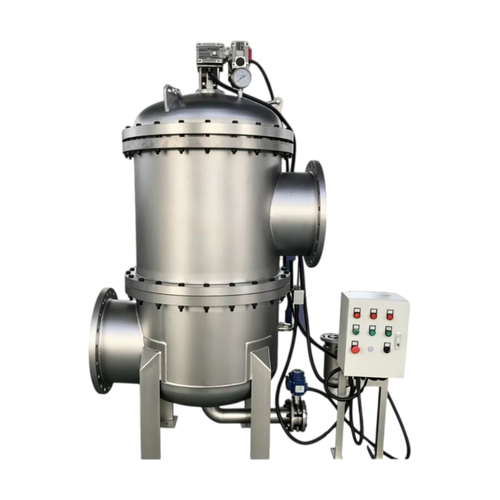
Backwash Filters
Precision Filter
Industrial Filtration System
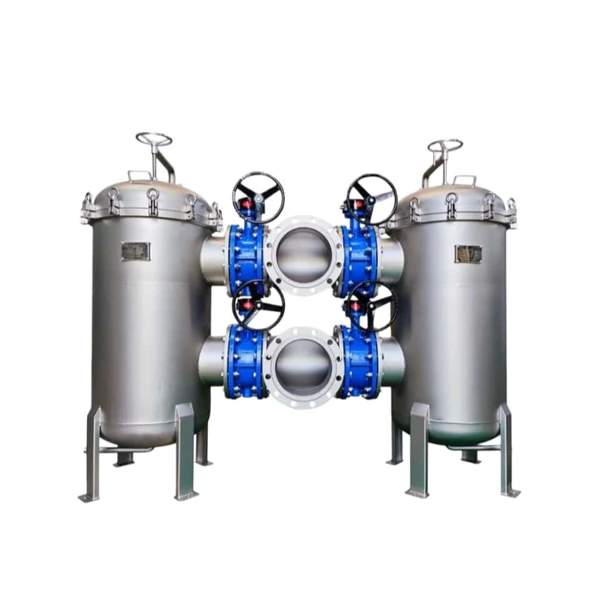
Duplex Filter
Bag Filter
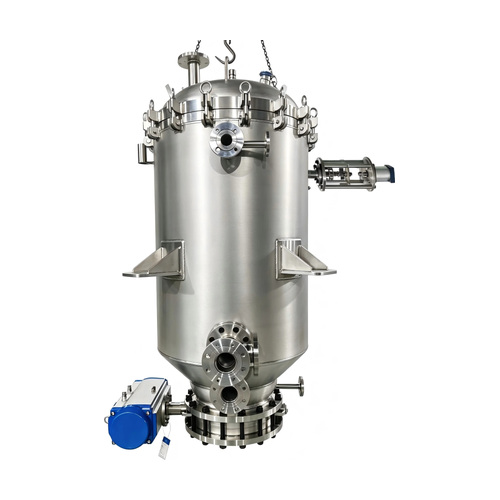
Candle Filter

Custom Industrial Separator Manufacturer in China

Carryover and unstable level control are often symptoms of a separator chosen for only one flow case. Tinsins reviews phase data, operating range, internals and site interfaces before manufacturing the vessel.

Separators
Products Categories
Get A Free Quote
Contact Form

Industrial Separators for Gas, Liquid and Multiphase Service

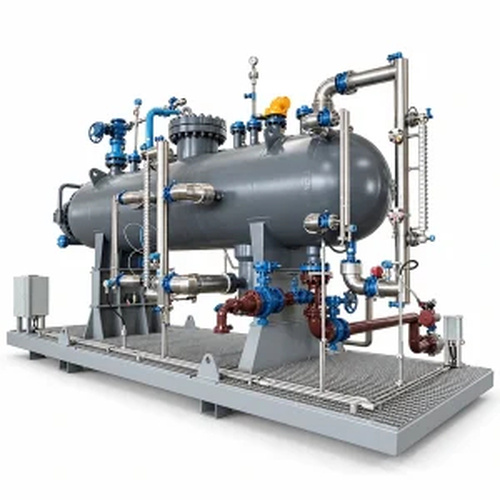
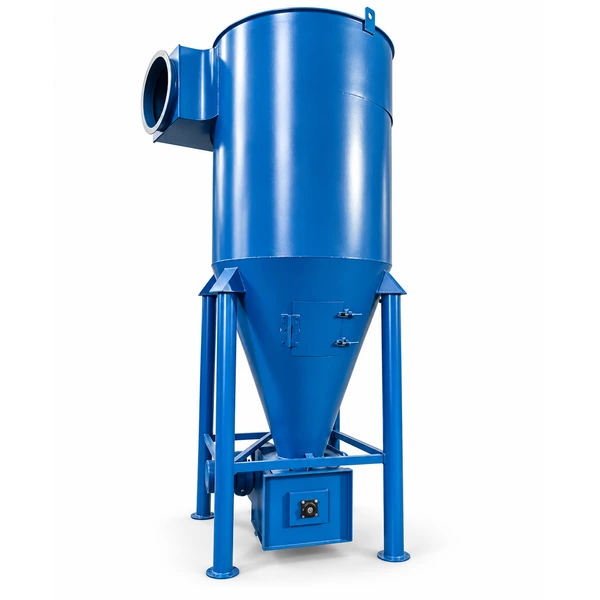
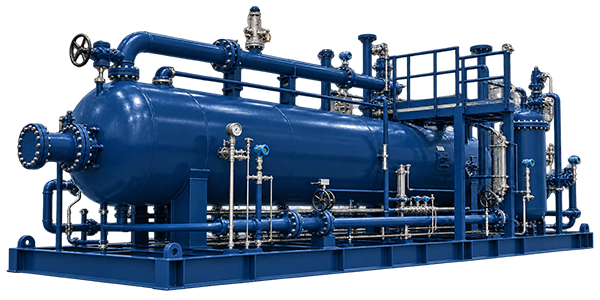
Separation performance changes with gas density, liquid load, droplet size, pressure and turndown. The selected vessel must also provide enough residence volume, controllable liquid level and practical access to internal components. Tinsins manufactures gas-liquid separators, two-phase vessels, steam separators, mist eliminators and natural-gas filter separators to released process data and mechanical drawings. Replacement units can be coordinated with existing connections and supports.

Cyclone Separators
Gas-Liquid Separators
Oil Water Separator

Why Choose Tinsins for Industrial Separators

A separator may look adequate on paper yet suffer liquid carryover, pressure loss or unstable level control in service. Useful review starts with the low, rated and peak flow rates for each phase, together with phase properties, pressure, temperature, droplet-removal target and surge requirement. Tinsins coordinates vessel orientation, connections, internals, level-control points and maintenance access before fabrication. The agreed manufacturing scope can include material traceability, weld control, NDT, dimensional checks, internal-component inspection and hydrostatic testing.

Applications

Oil and Gas Production

Produced fluids are separated while surge volume and liquid level are controlled, reducing carryover to compressors, meters and downstream treatment.

Natural Gas Processing and Transmission

Fine aerosols and solids are removed upstream of compression, dehydration or pipeline transfer to protect equipment and improve gas cleanliness.

Chemical and Petrochemical Plants

During flashing, condensation or reactor vent service, entrained liquid is captured before it contaminates exchangers, columns or recovery systems.

Power and Steam Systems

Moisture removal protects control valves, instruments, turbines and heating equipment from erosion and efficiency loss.

Advantages

Review-Entire-Operating-Range-Icon
Review the Entire Operating Range

Low, rated and peak rates are compared for both phases. This prevents a vessel from working at one condition but flooding at another.

Define-Required-Separation-Result-Icon
Define the Required Separation Result

Droplet target, permitted carryover, liquid residence time and surge capacity are documented before vessel volume and internals are fixed.

Keep-Internals-Serviceable-Icon
Keep Internals Serviceable

Demisters, coalescers and inlet devices are arranged with removal routes, manway clearance and available lifting space in mind.
Fit-Existing-Site-Icon
Fit the Existing Site

On replacement projects, connection coordinates, saddle spacing, instrument taps and shipping limits are checked against reliable field dimensions.
FAQs

Q: What information is required to size a gas-liquid separator?

A: Provide low, rated and peak flow rates for each phase, density, viscosity, pressure, temperature, droplet-removal target, solids content, foaming tendency, carryover limit and required liquid-holdup time.

Q: Which is better: a horizontal or vertical gas filter separator?

A: Vertical vessels require less plot space and often suit lower liquid loads. Horizontal vessels provide greater liquid capacity and interface area. Flow conditions, internals and maintenance requirements determine the final choice.

Q: What causes liquid carryover from a separator?

A: Possible causes include excessive gas velocity, a liquid surge, an incorrect level, a damaged or overloaded demister, poor inlet distribution, foaming or operation outside the design flow range.

Q: What is the difference between a filter separator and a coalescing filter separator?

A: A filter separator removes solids and bulk liquid. A coalescing stage also combines fine aerosols into larger droplets for removal. The filter element and internal arrangement depend on the contaminant.

Q: What should be shown on a two-phase separator P&ID?

A: The project P&ID normally defines the inlet and outlets, level measurement and control, pressure relief, pressure and temperature instruments, drains, vents, isolation valves and shutdown functions.

Q: Can Tinsins manufacture a replacement natural gas separator?

A: Yes. Please provide the existing drawing, site measurements, process data, nozzle coordinates, support details, internals, material grade, inspection history and transport restrictions for review.

Q: How are separator internals checked during fabrication?

A: We check dimensions, elevation, orientation, support welds, sealing details, removal route and cleanliness against the released drawing and inspection plan.

Scroll to Top

Get A Free Quote Now !

Contact Form
If you have any questions, please do not hesitate to contatct with us.
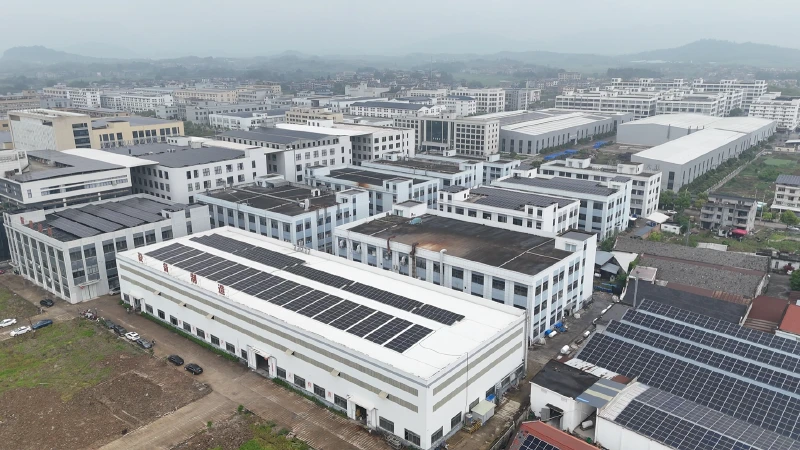
Factory