Custom High Pressure Reactor Vessel for Chemical Service
High-pressure reactor manufacture begins with reaction conditions, pressure cycles, mixer loads and inspection requirements—not vessel volume alone.
1. Pressure boundary based on project conditions
Wall and connection requirements depend on design pressure, temperature, cyclic service, and corrosion allowance.
2. Mixer and internal loads coordinated
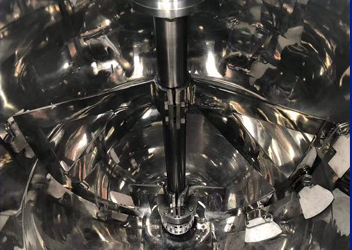
The vessel arrangement includes agitator reactions, baffles, coils, and supports.
3. Material selection follows reaction chemistry
Stainless steel, duplex, and nickel alloys are options when corrosion or contamination is a concern.
4. Inspection scope agreed before production
The project ITP defines welding procedures, NDT, pressure testing, and document requirements.
High Pressure Reactor Description
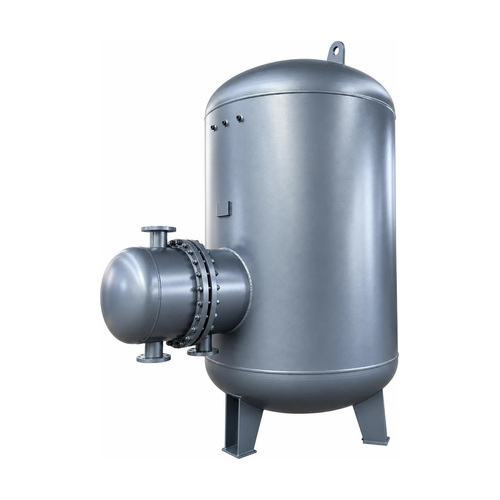
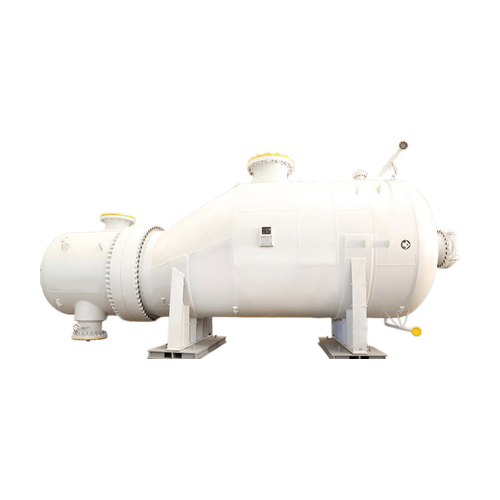
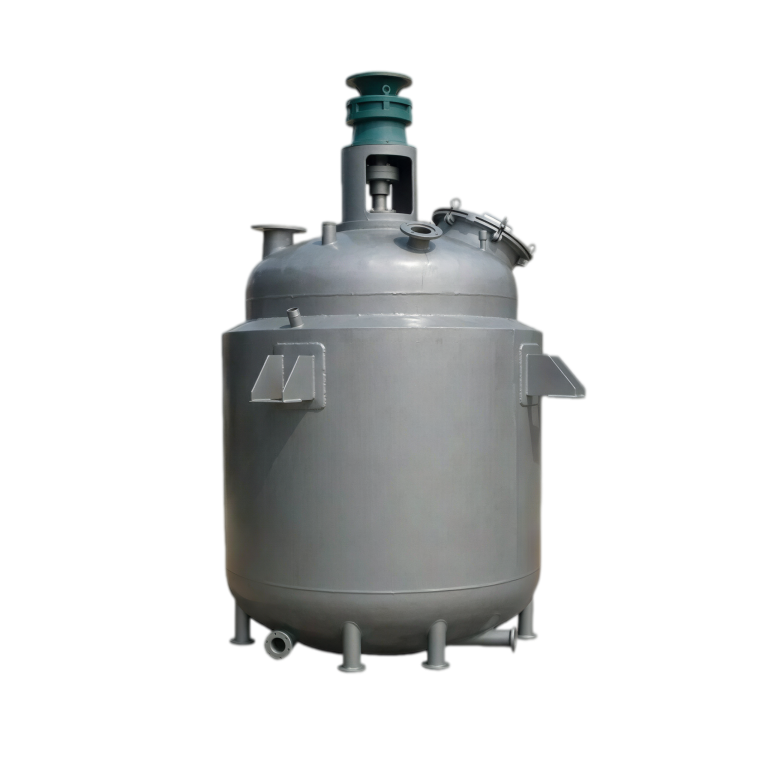
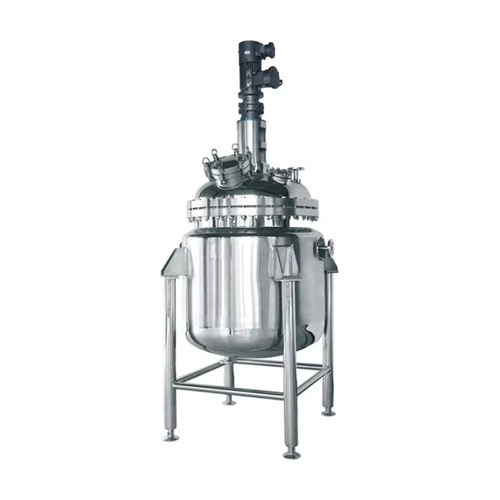
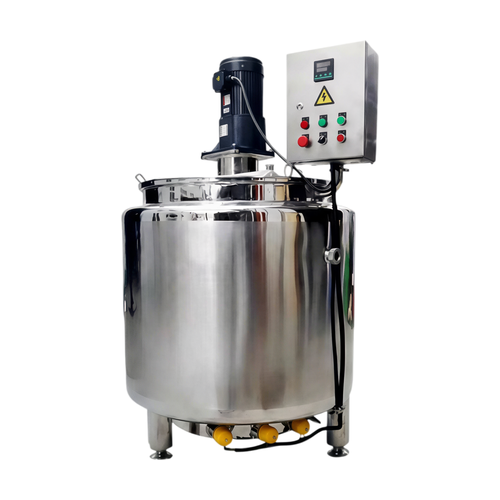
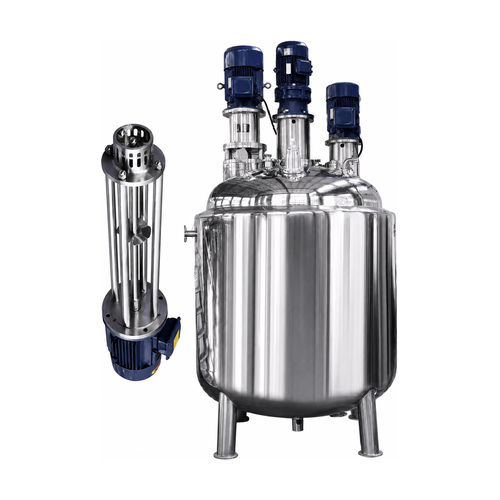
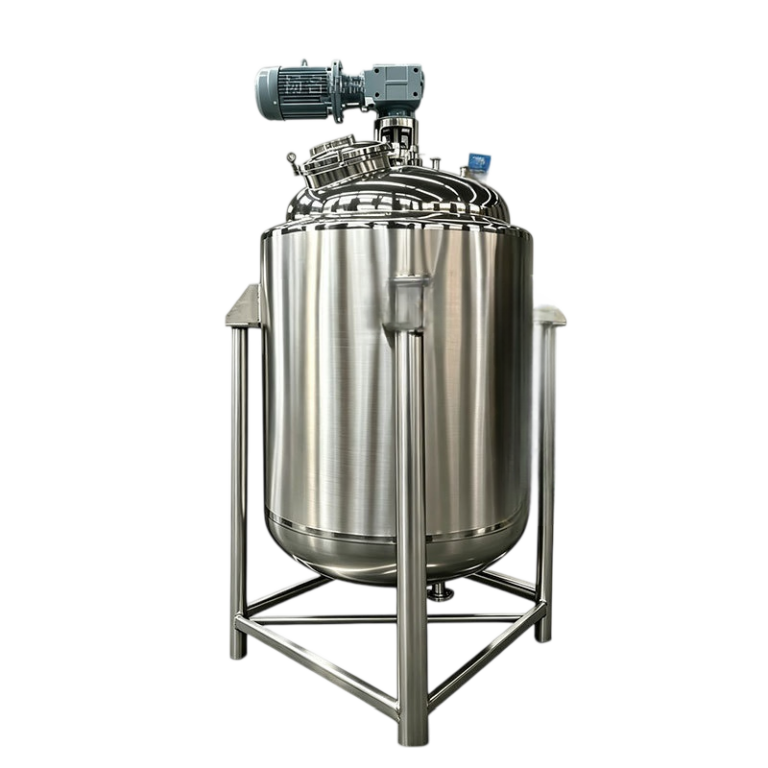
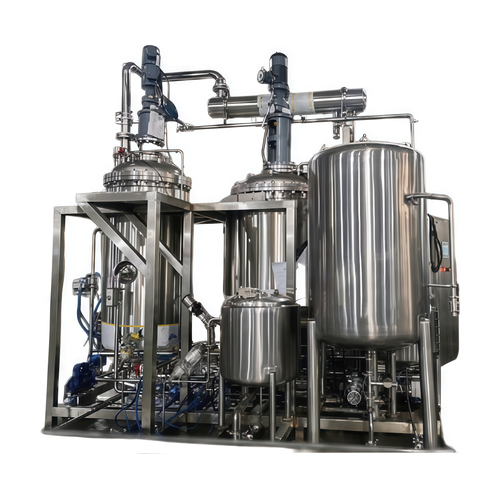
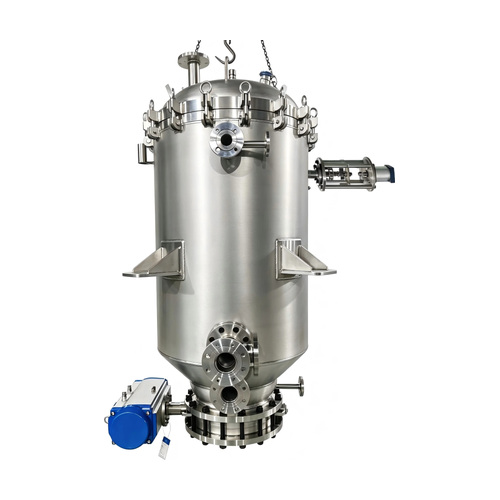
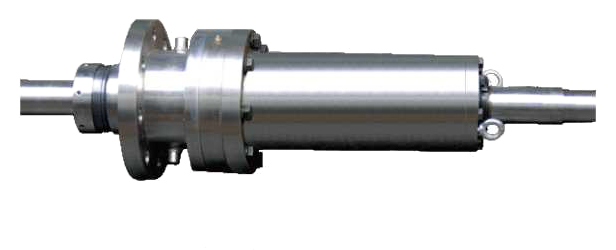
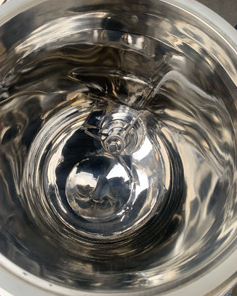
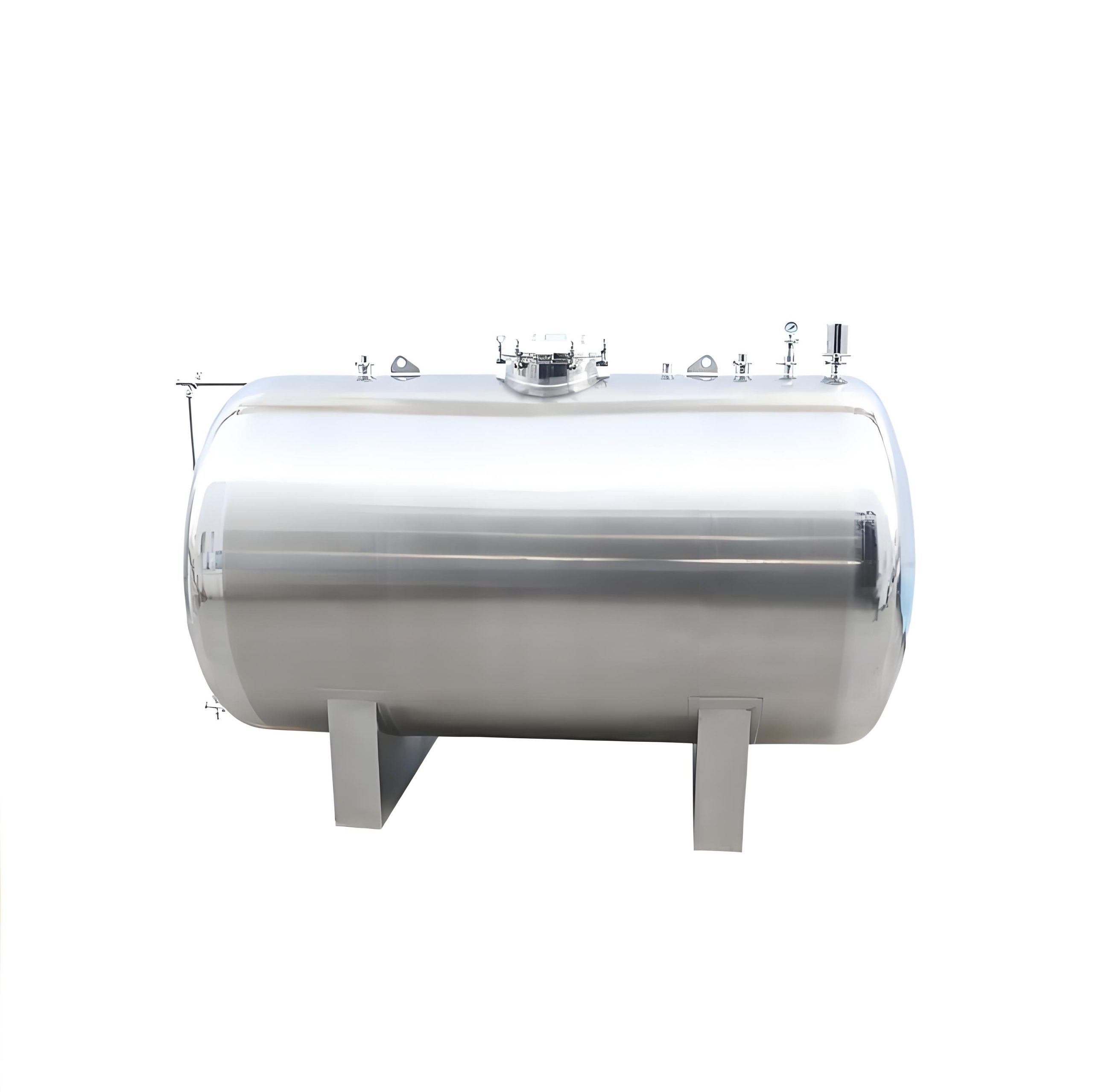
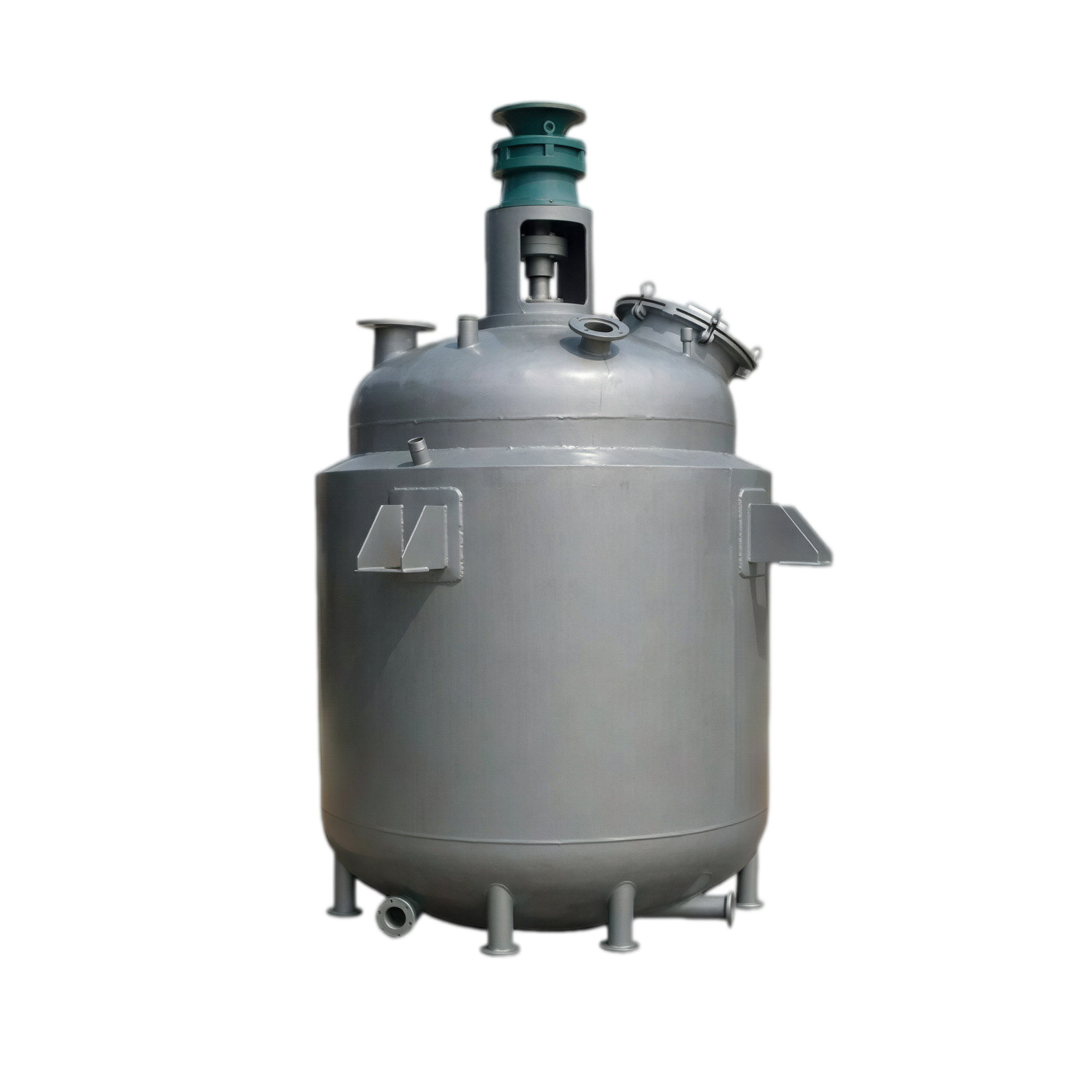
An industrial high-pressure reactor is a vessel designed for chemical reactions that need higher pressure and temperature. Depending on what is needed, the reactor can include an agitator, heating or cooling jacket, internal coil, feed connections, sampling port, bottom outlet, and process instruments.
This custom high-pressure stirred reactor can support batch or semi-batch processes, such as hydrogenation, polymerization, chemical synthesis, and other pressure-dependent reactions. The choice of vessel material, agitation system, and heat-transfer setup depends on the fluid’s composition, corrosion, viscosity, gas-liquid contact, and reaction heat. To finish the design, confirm the working volume, design pressure, design temperature, mixing needs, sealing method, and the right pressure-vessel code.
High Pressure Reactor Technical Data Sheet
Discuss a High Pressure Reactor Project
Send the reaction basis, pressure cycles, heat duty, mixer loads and inspection specification. We will review manufacturing scope and document requirements.
High Pressure Reactor Applications
- Hydrogenation and Catalytic Reactions
A high-pressure hydrogenation reactor used in catalytic chemical production ensures controlled contact between gas and liquid at high pressure. The choice of agitator, gas inlet, heat-transfer surface, and sealing system depends on hydrogen use, catalyst type, reaction heat, and how much mixing is needed. - Polymer and Resin Manufacturing
A stirred pressure reactor used in polymer and resin manufacturing supports pressure polymerization, resin modification, and controlled monomer reactions. Jacket or coil cooling manages reaction heat, and the agitator is chosen based on how viscosity changes during production. - Specialty Chemical Synthesis
An industrial high-pressure reactor for specialty chemical synthesis is used for batch or semi-batch production of chemical intermediates and other compounds that need high pressure. These reactors can have liquid and gas feed connections, sampling points, a bottom discharge, and temperature or pressure instruments. - Hydrothermal and Biomass Processing
A high-pressure reaction vessel for hydrothermal biomass processing is used for hydrolysis, digestion, and hydrothermal conversion. The choice of vessel material and internal design depends on the operating temperature, chloride content, acidity, solids concentration, and expected corrosion.
High Pressure Reactor Vessel Fabrication Video
Pressure Cycles Can Matter as Much as Pressure
Repeated charging, heating, cooling, and depressurization can cause fatigue that might not be obvious from the design pressure alone. Include the expected cycle count in the design documents.
Separate Process Responsibility from Fabrication
The vessel manufacturer manages materials, welding, and inspection according to approved documents. For reaction safety, relief basis, mixing performance, and thermal runaway assessment, project engineering data and a careful design review are needed.