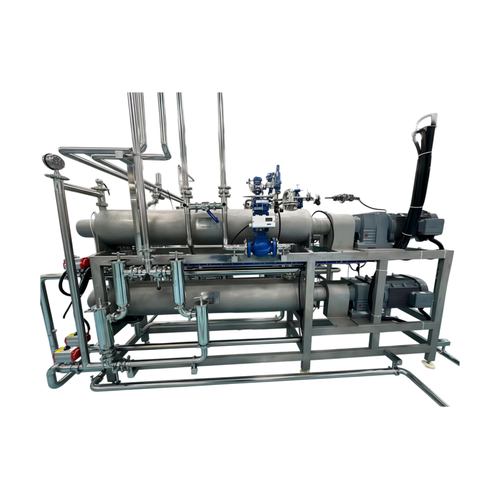
Compact Fixed Tube Sheet Heat Exchanger for Clean Fluids
For clean, predictable service, a fixed tube sheet exchanger offers a compact shell-and-tube construction with fewer removable sealing joints.
1. Simple pressure-boundary arrangement
Both tube sheets are attached to the shell by welding or bolting, which means fewer removable sealing joints. 2. Suitable for predictable thermal service
This design is most effective when the temperature difference between the shell and tubes, as well as thermal expansion, stays within acceptable limits. 3. Economical construction for clean media
A simple layout can make fabrication easier if mechanical cleaning of the shell side is not needed. 4. Project interfaces confirmed before fabrication
Nozzles, supports, pass partitions, venting, and drainage are all checked to match the approved layout.
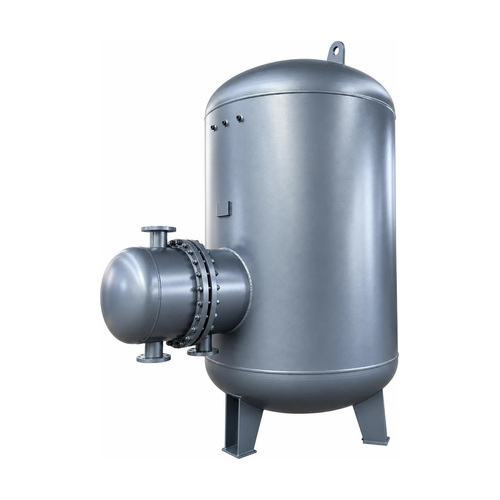
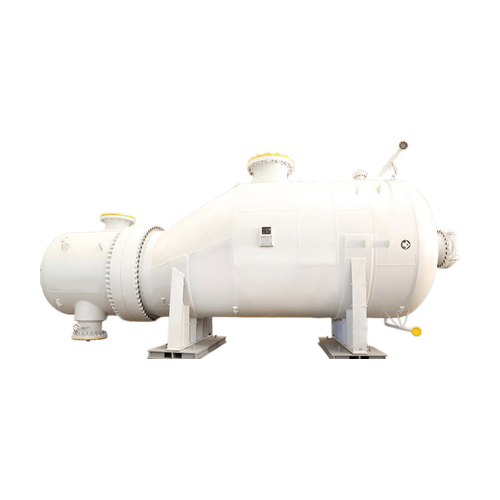
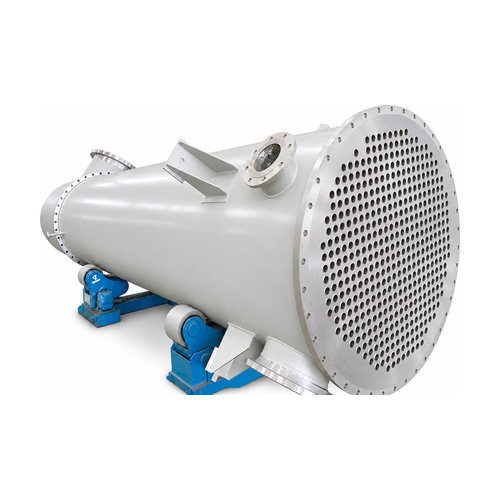
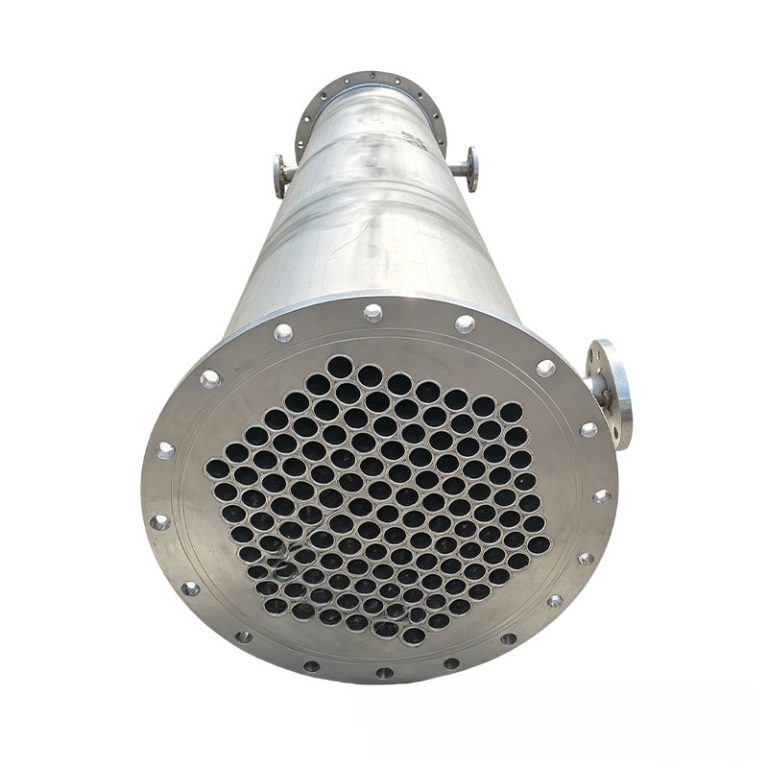
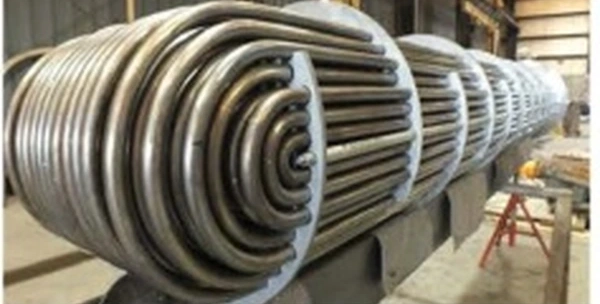
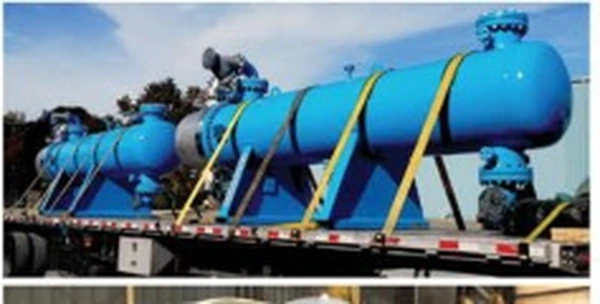
A fixed tube sheet heat exchanger has straight tubes attached to tube sheets that are permanently joined to the shell. This design creates separate flow paths for the tube side and shell side. Its simple and sturdy construction makes it a compact and cost-effective choice for heating, cooling, and condensing when operating conditions are stable. This type is best for clean process fluids and works well where heavy shell-side fouling and frequent bundle removal are not likely. You can reach the tube-side surfaces by removing the channel covers, but cleaning the shell side mechanically is limited. It’s important to consider differential thermal expansion, and a shell expansion joint may be needed if there are large temperature differences.
Fixed Tube Sheet Heat Exchanger Technical Data Sheet
Fixed Tube Sheet Heat Exchanger Technical Data Sheet
Parameter
Tinsins Typical Manufacturing Range
Unit / Configuration
Heat-transfer area
5–1,000
m²
Allowable pressure drop
Project-defined
kPa
Heat duty
Project-calculated
kW / MW
Fouling resistance
Specified separately for both sides
m²·K/W
Flow-induced vibration review
Required for final design
Mechanical check
Shell diameter
300–3,000
mm
Tube length
1,000–12,000
mm
Tube outside diameter
12–38
mm
Tube passes
1–8 typical
Passes
Design pressure
Full vacuum to 4.0
MPa
Design temperature
-20 to 400
°C
Tube-to-tubesheet joint
Expanded, seal welded or strength welded
Project option
Expansion provision
Stress check; expansion joint when required
Mechanical design
Tube layout and pitch
Triangular, rotated triangular or square
Project option
Baffle arrangement
Segmental or project-specific
Cut / spacing
Materials
Carbon steel, 304/304L, 316/316L
Shell / tubes / tubesheet
Corrosion allowance
0–6 typical
mm
Inspection and test
NDE, shell/tube hydrotest and joint leak test
ITP
Applicable design basis
GB/T 151, GB/T 150; TEMA/project code when specified
Custom fabrication
Required RFQ data
Duty, phase, flow, properties and inlet/outlet temperatures for both sides
Customer input
Quote a Fixed Tube Sheet Exchanger
Provide the fluid, duty, temperature difference and cleaning method. We will help confirm whether a fixed bundle is appropriate before quoting fabrication.
Fixed Tubesheet Oil Cooler for Lubrication Systems
This cooler lowers the temperature of lubricating oil, hydraulic fluid, and compressor oil using water or another utility medium. Its fixed construction works best in stable conditions where the fluids do not create heavy deposits on the shell side.
Fixed Tube Sheet Exchanger for Steam Heating Water
This exchanger moves heat from steam or hot water to clean process water and utility circuits. To prevent water hammer and excessive thermal stress, ensure good condensate drainage, venting, and temperature control.
Fixed Tubesheet Condenser
This condenser turns steam or clean process vapor into liquid by moving heat to cooling water through the tube wall. When designing for heat transfer, consider vent placement, condensate removal, non-condensable gas handling, and pressure control during thermal design.
Fixed Tube Sheet Process Cooler for Chemical Plant Utilities
This cooler heats or cools solvents, condensate, and other clean chemical process streams. The materials for the tubes, shell, tube sheet, and gaskets are chosen based on corrosion risks, operating pressure, and how well they match the fluids used.
Fixed Tube Sheet Heat Exchanger Video
Detail Display
Fixed Tube Sheet or Removable Bundle?
Go with fixed construction if you want simplicity and don’t need shell-side access. But if deposits, corrosion, inspections, or frequent cleaning are likely, the easier setup now could mean more maintenance work and costs down the road.
Thermal Expansion Must Be Checked
A big temperature difference between the shell and tubes can put stress on the tubesheets and shell. Make sure to address expansion joints or alternative exchanger needs during the mechanical design review, not just during fabrication.