
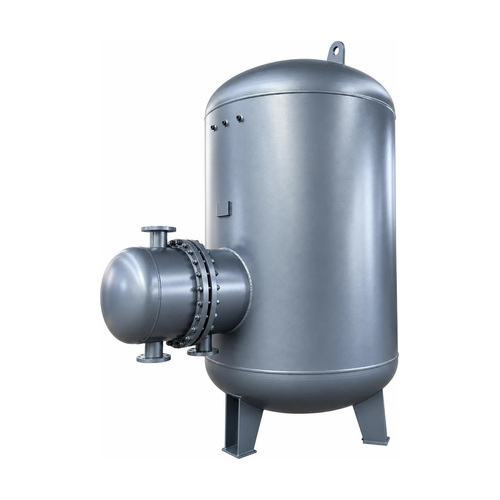
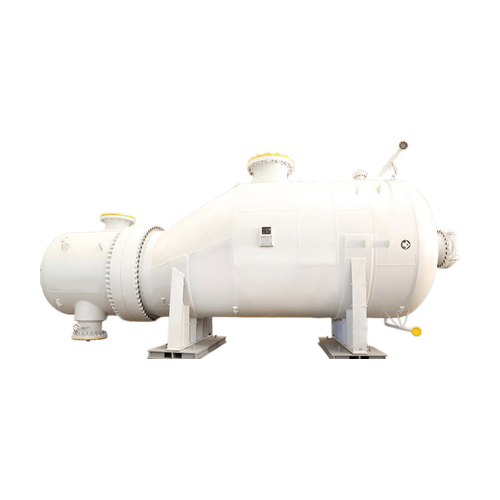
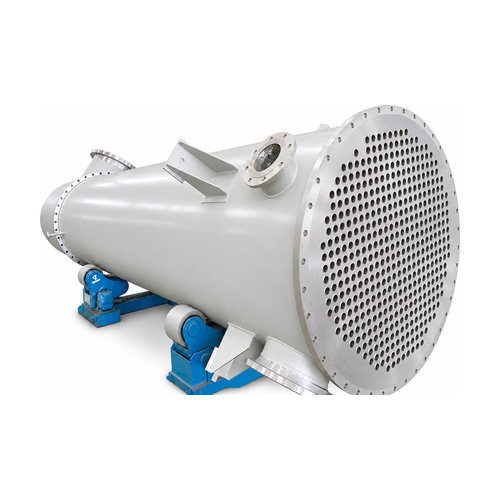
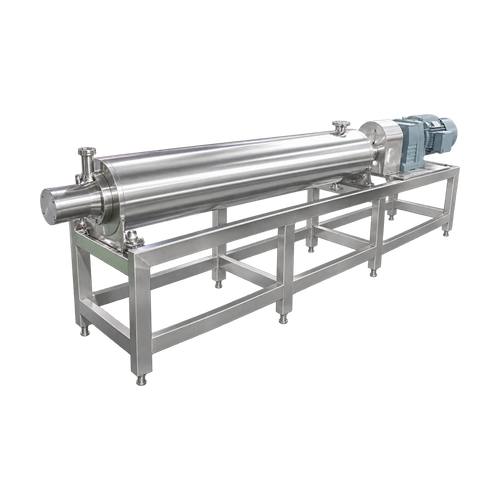
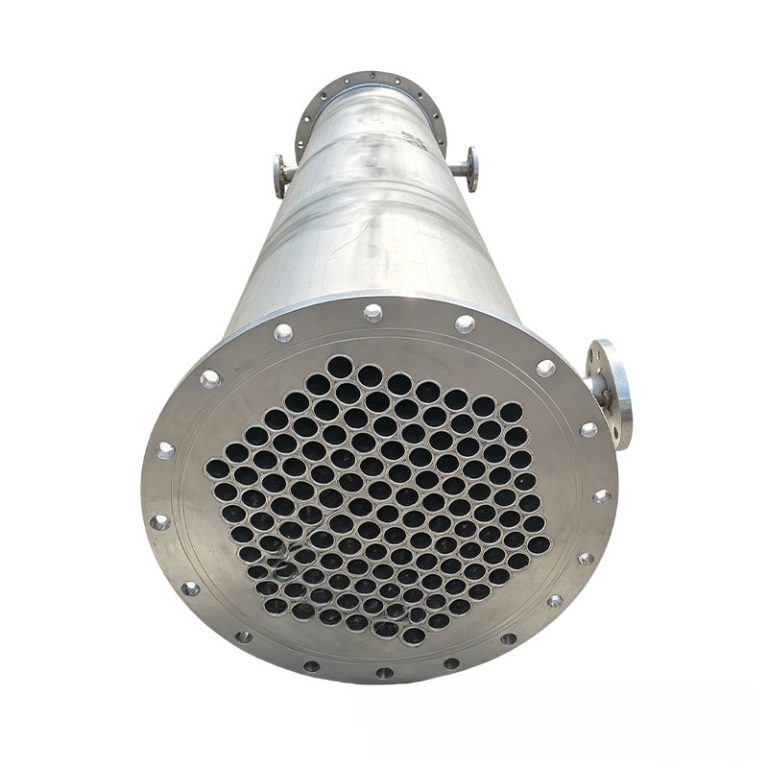
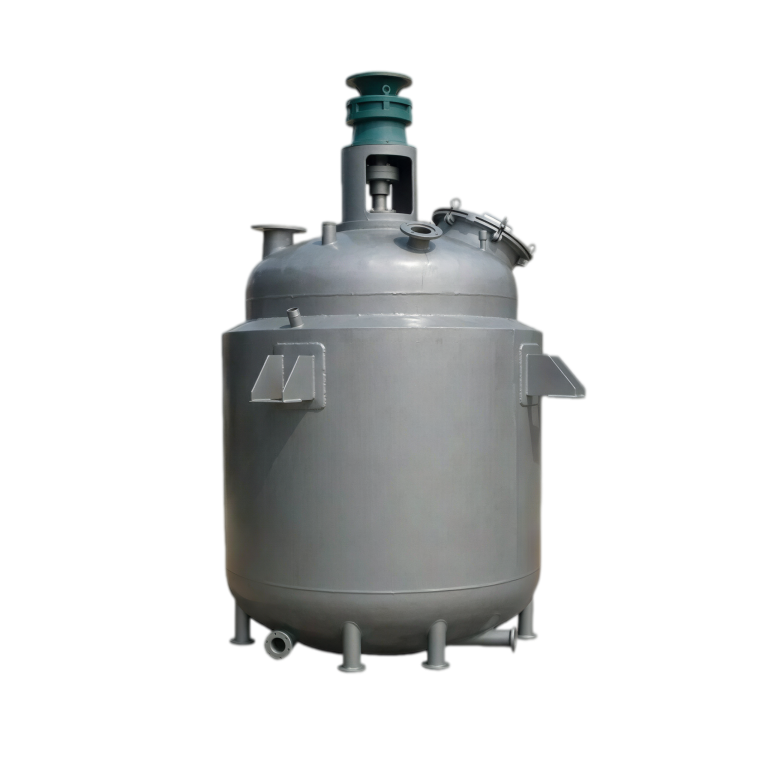
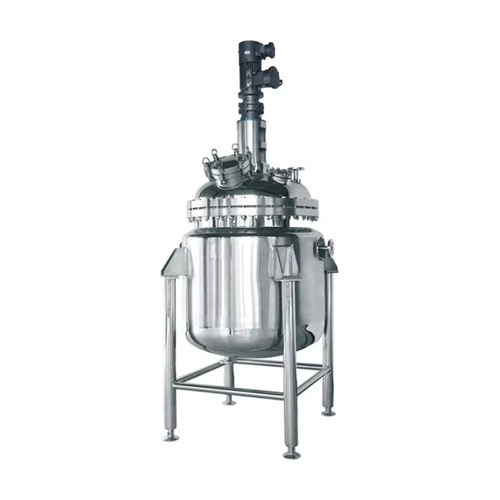
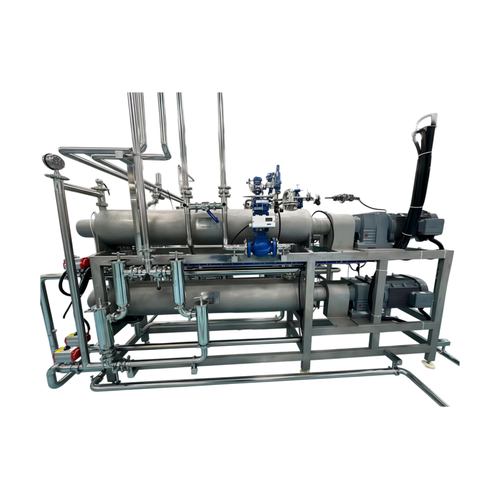
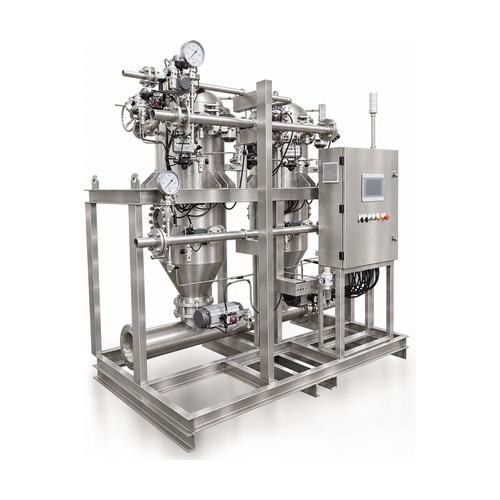
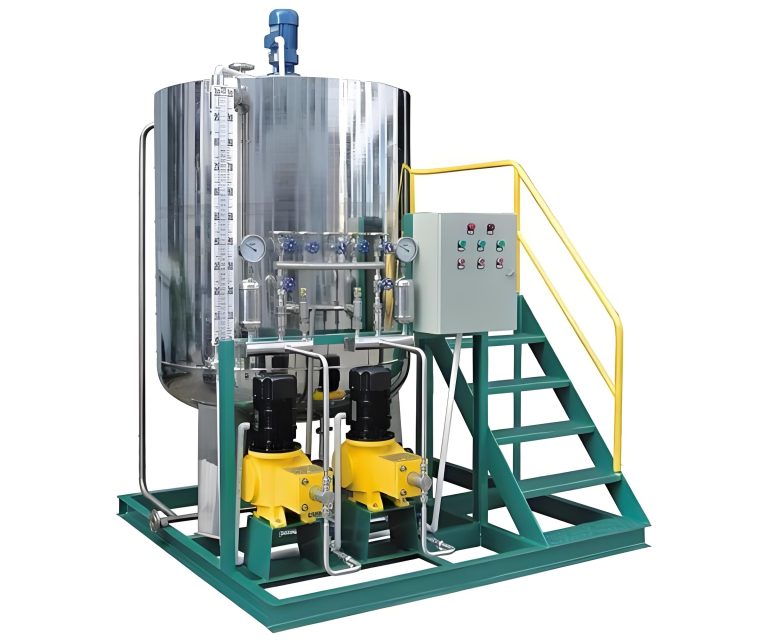
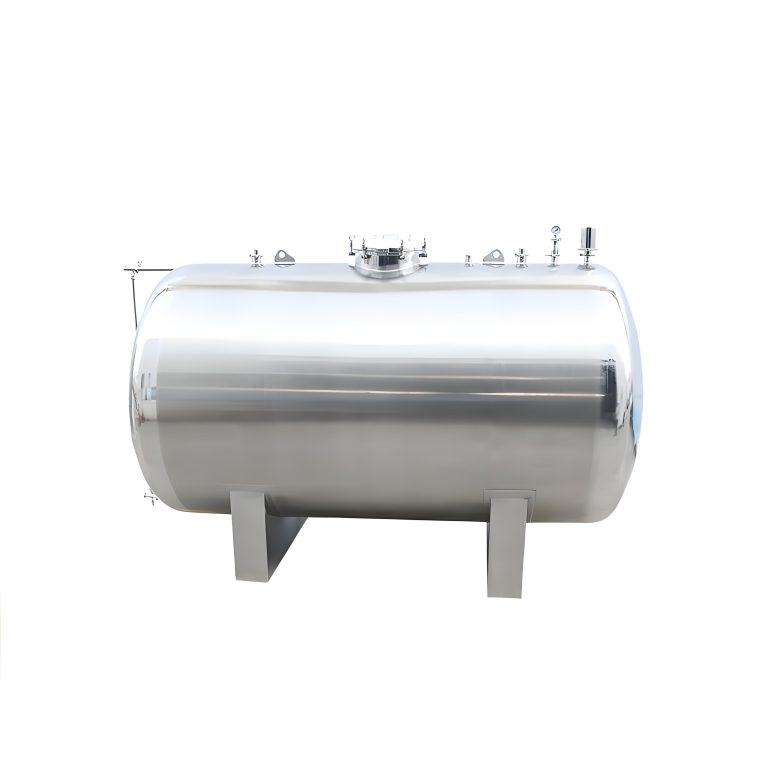
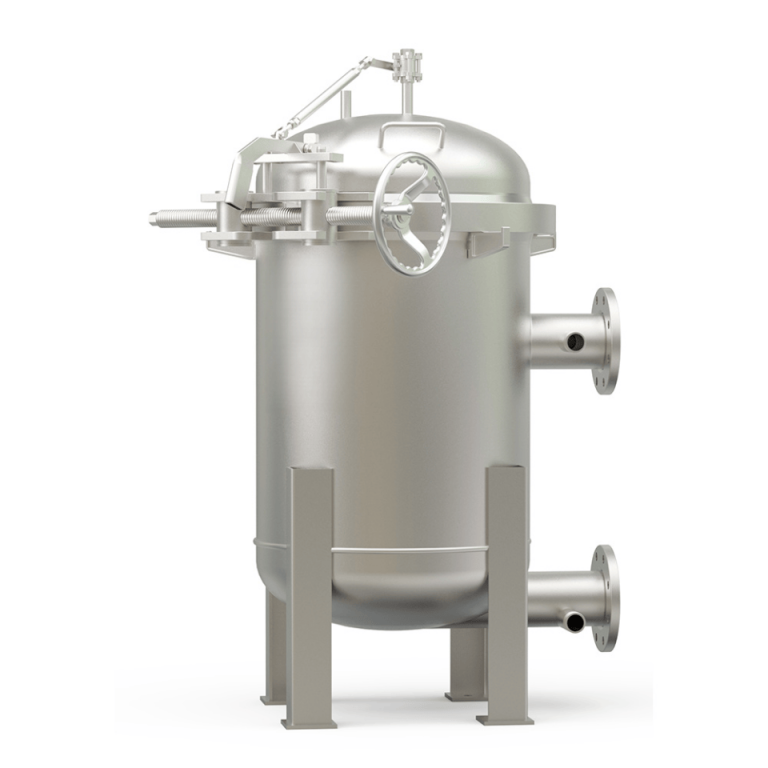
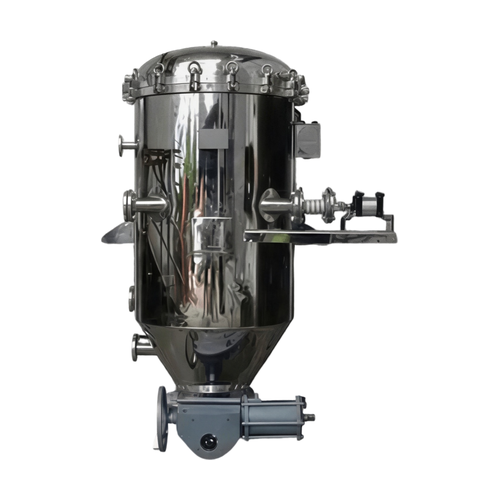
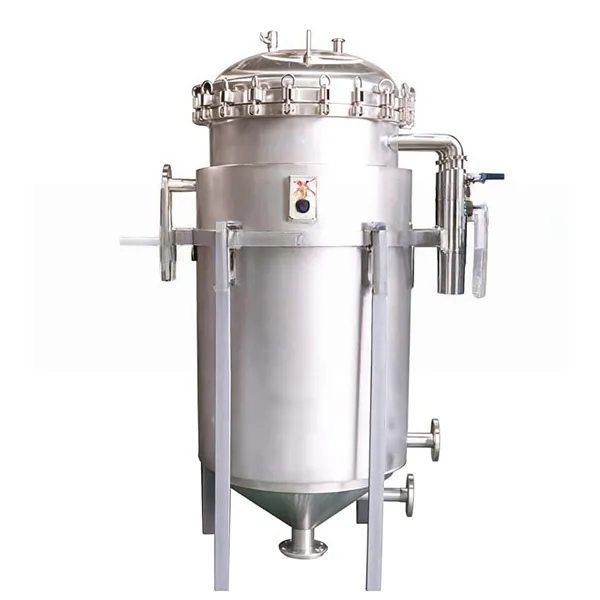
Custom Industrial Filters China Manufacturer
Tinsins builds industrial filters for process liquids and gases, with custom housings, controlled welding, NDT, pressure testing, and maintenance-friendly access.
1. Flow and solids loading reviewed together. Selecting a housing by pipe size alone can cause early blockage or excessive pressure drop. We first review normal flow, peak flow, solids loading and filtration rating.
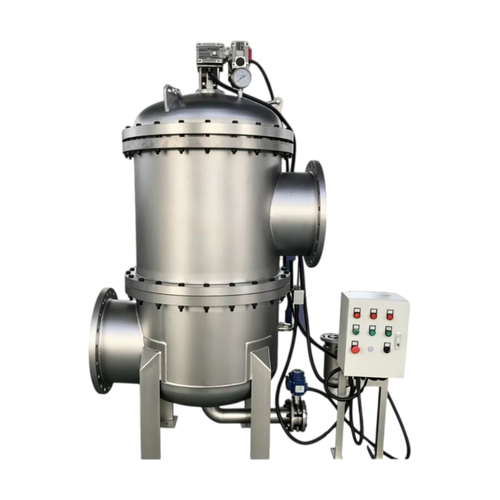
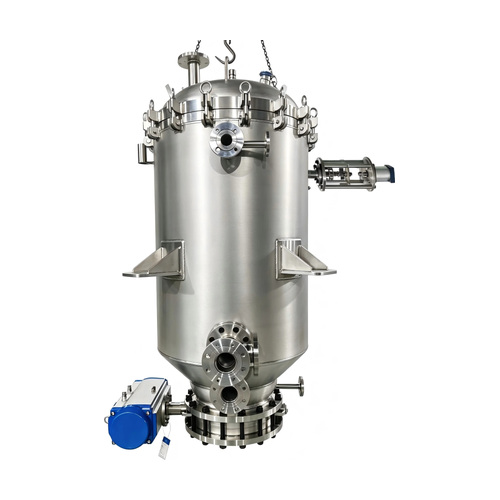
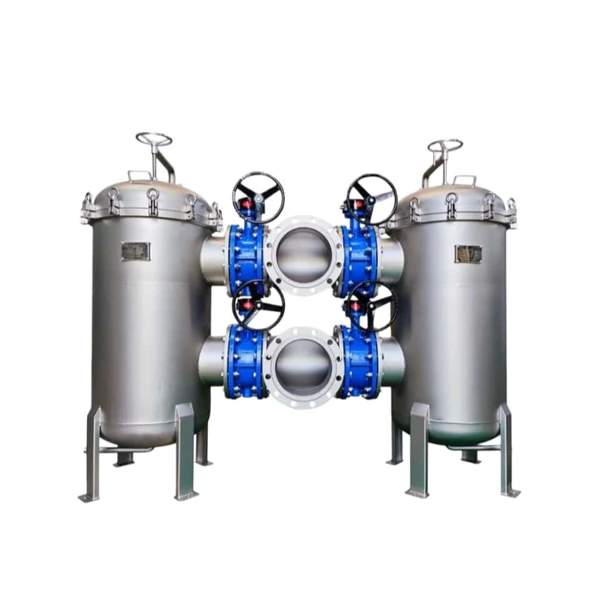
2. Housing designed around the filter element and maintenance method. Bag, cartridge, basket, candle and self-cleaning designs require different clearances, closures, drains and internal supports.
3. Material selected for the actual fluid. Carbon steel, stainless steel, duplex steel, titanium and nickel alloys are evaluated against corrosion, temperature, contamination limits and cleaning chemicals.
4. Nozzles and closure details confirmed before welding. Connection orientation, cover lifting, venting, draining and element-removal space are shown on the approved drawing to reduce site modifications.
Choose Industrial Filtration Equipment for Process Liquids and Gases
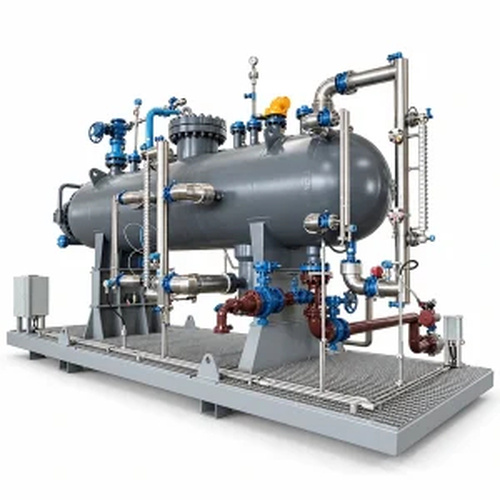
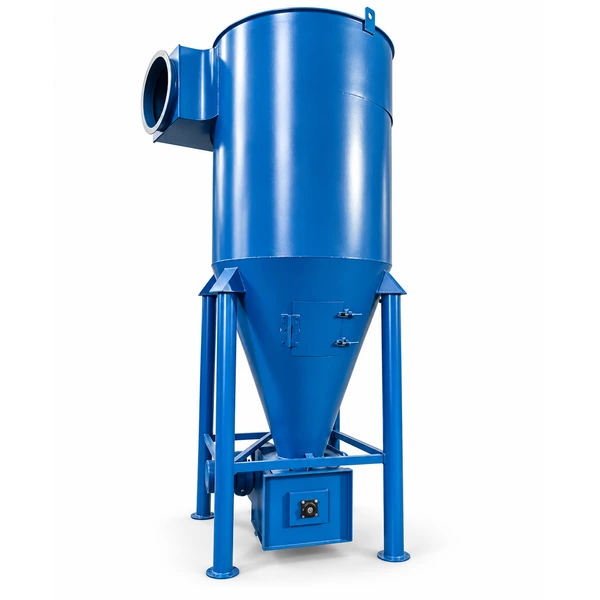
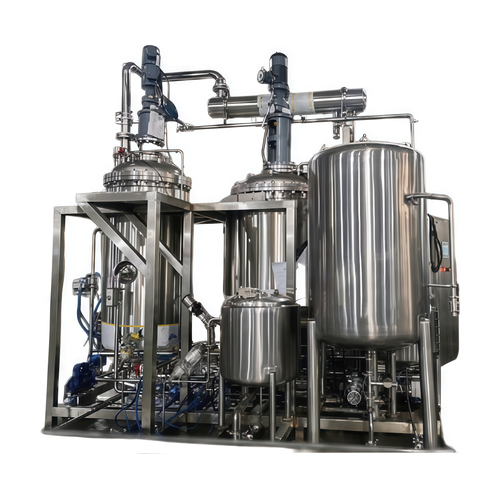
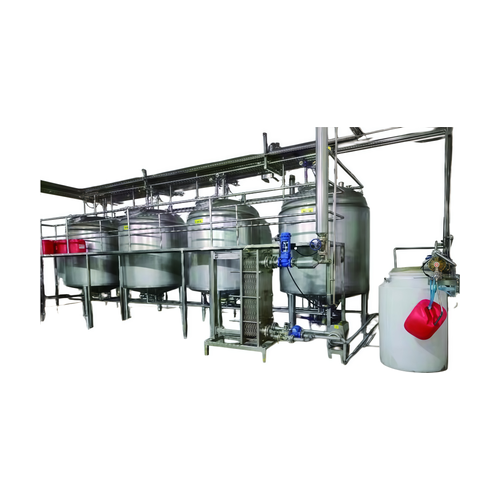
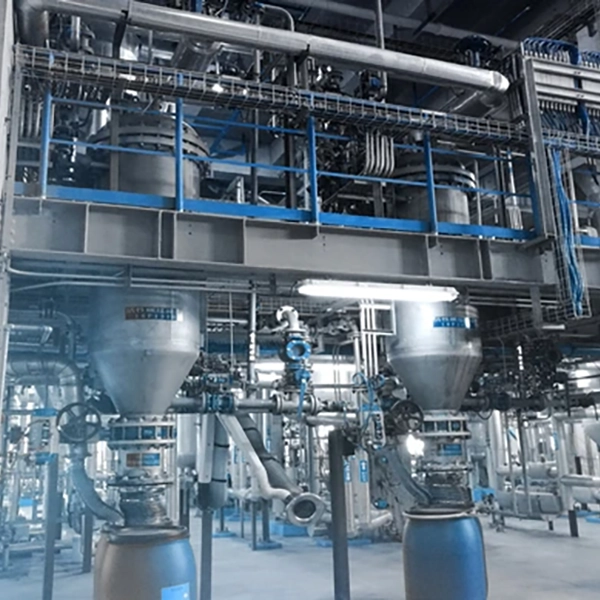
Industrial filtration systems are selected according to the contaminant, required particle removal, allowable pressure drop and maintenance interval. Tinsins manufactures industrial filter vessels and housings for liquid, process-water and gas service, including bag, cartridge, basket, candle and automatic filtration designs. Our scope can include drawing review, material selection, internals, welding, NDT, pressure testing and handover documents.
Why Choose Tinsins for Industrial Process Filtration
A low-priced filter becomes costly when it blocks too quickly, creates excessive pressure drop or cannot be opened safely. Send Tinsins the fluid composition, normal and maximum flow, solids loading, required filtration rating, design pressure, temperature, material preference and cleaning method. Before quoting, we check the housing design, number of filter elements, nozzle orientation, closure, drain arrangement and maintenance clearance. Industrial filter housings can be fabricated from carbon steel, stainless steel, duplex steel, titanium or nickel alloys to approved drawings and project requirements. The agreed manufacturing plan can include material records, controlled welding, dimensional inspection, NDT and pressure testing. For replacement units, provide the existing drawing and site dimensions so that piping and support interfaces can be checked before production.
Applications
Removes catalyst fines, rust and suspended solids from acids, solvents and resins, protecting pumps, heat exchangers and process equipment from blockage and wear.
Captures solids and liquid contaminants before compression, metering or transfer, reducing fouling, pressure loss and unplanned maintenance in oil and gas systems.
Filters process liquids and utilities to control particles, protect product quality and reduce contamination risks in pharmaceutical and fine chemical production.
Removes suspended solids before membranes, pumps and heat exchangers, reducing blockage, cleaning frequency and premature equipment failure in industrial water systems.

Advantages
We review normal and peak flow, contaminant loading, filtration rating and allowable pressure drop before confirming vessel size and the number of filter elements.

We check fluid composition, temperature, chlorides, cleaning chemicals and contamination limits before accepting carbon steel or an alloy material.
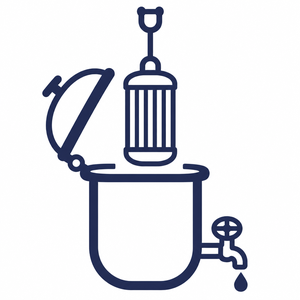
We confirm the cover opening, lifting method, drain points and cartridge or bag removal height on the drawing before production begins.
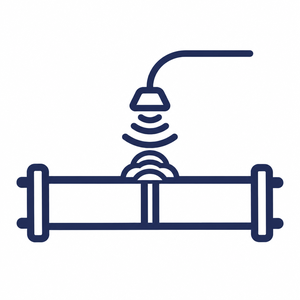
Welding records, dimensional inspection, agreed NDT and pressure testing provide evidence for factory acceptance and project handover.
FAQs
Sizing is based on normal and peak flow, fluid viscosity, solids loading, filtration rating, clean and final pressure drop, filter-element capacity and the target maintenance interval. Pipe diameter alone is not sufficient.
Bag filters generally suit higher solids loading and faster change-out. Cartridge filters are often selected for finer or staged filtration. The final choice depends on the contaminant, removal target, flow rate and operating cost.
Common causes include insufficient filter area, high fluid viscosity, excessive solids, an unsuitable filtration rating, blocked internals or a dirty filter element. Both clean and final pressure drop should be specified.
Yes. Please provide the existing drawings, nozzle coordinates, support details, design conditions, material grade, filter-element size and available removal clearance for an interface review.
We follow the agreed material, welding and inspection plan, check sealing surfaces and dimensions, complete the specified NDT and perform the required pressure or leak test.
Include the process fluid, flow range, solids data, filtration rating, allowable pressure drop, design pressure and temperature, material, design code, nozzle schedule, filter-element preference, inspection requirements and document list.
The layout must allow the cover to open and the longest bag, basket or cartridge to be removed safely. Space for lifting equipment and access to the drain should also be considered.
Yes. The agreed document package may include approved drawings, material certificates, welding records, NDT reports, dimensional records, pressure-test reports, packing lists and nameplate data.