Pressure Vessel & Process Equipment Manufacturer
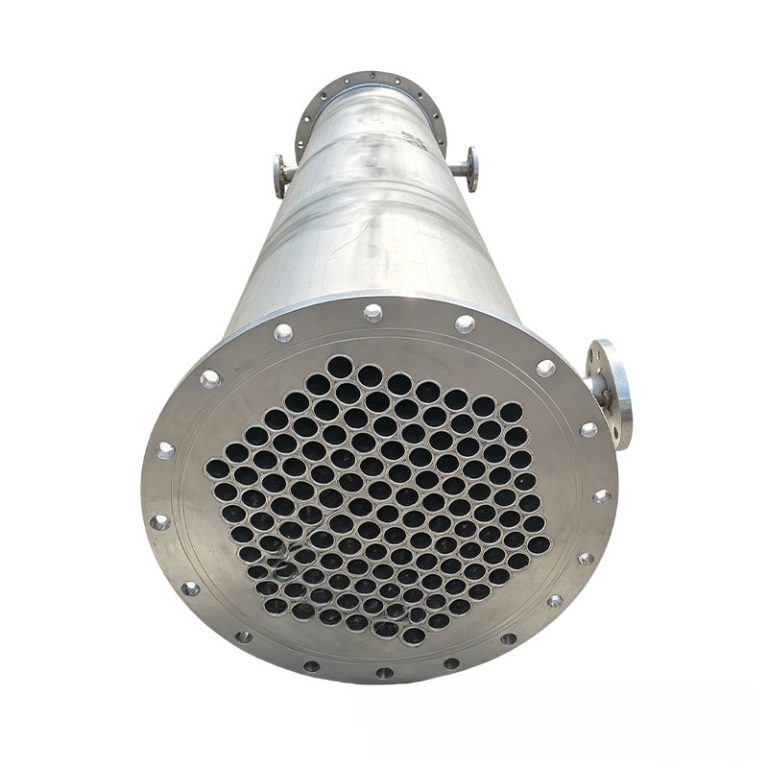
Volumetric Heat Exchanger
Reboilers
U-Tube Heat Exchangers
Scraped Surface Heat Exchanger
heat-exchanger4
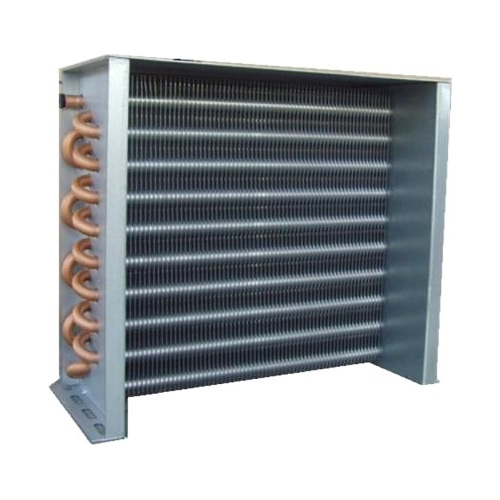
Finned Tube Heat Exchangers
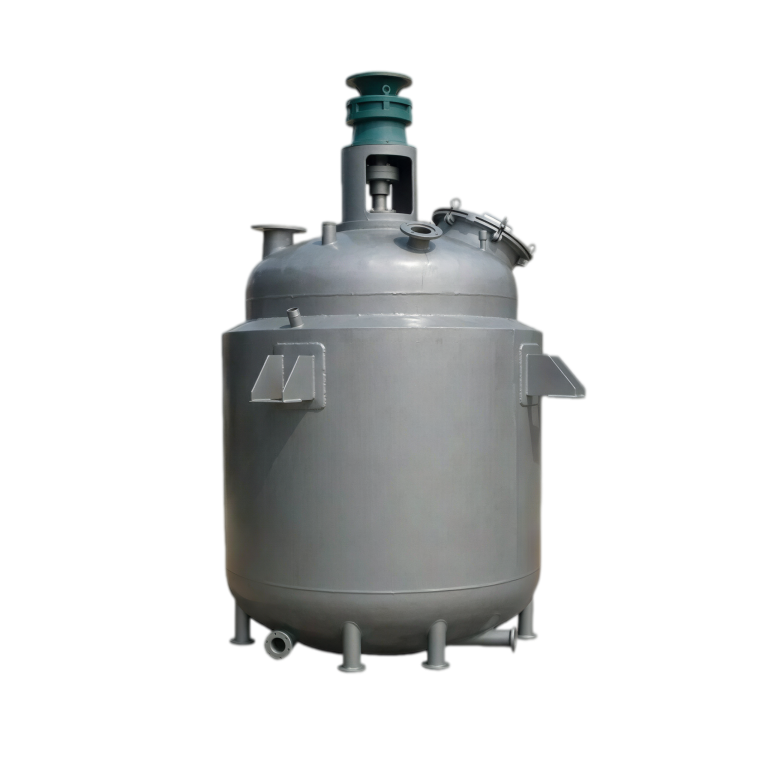
Carbon Steel Reactors
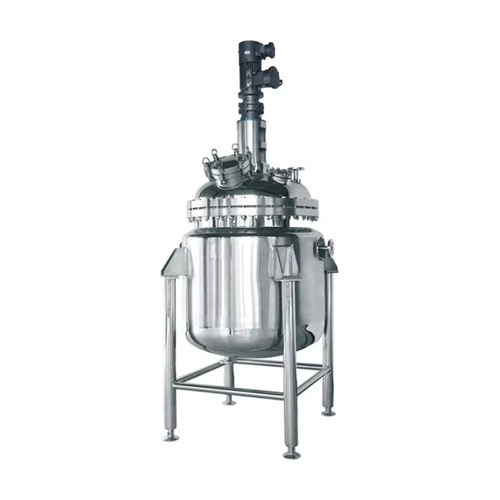
Stainless Steel Reactors
Heating and Cooling Reactors
Vacuum Reactors
Jacketed Reactors
High-Pressure Reactors
Oil Water Separator
Gas-Liquid Separators
Cyclone Separators
mixing system
CIP Cleaning system
Heat Transfer system
Filtration system
Chemical Dosing system
Custom Storage Tanks
Backwash Filters
Precision Filter
Industrial Filtration System
Duplex Filter
Bag Filter
Candle Filter
Skip image slider

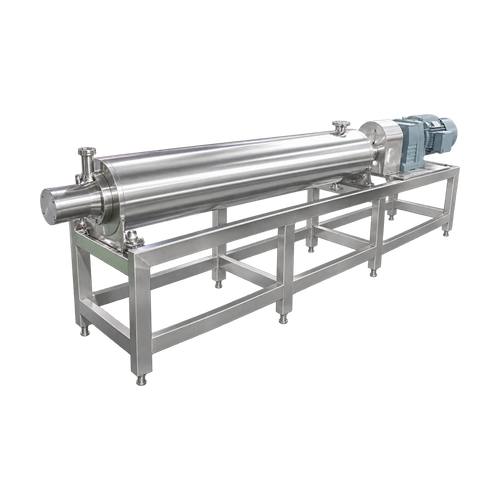
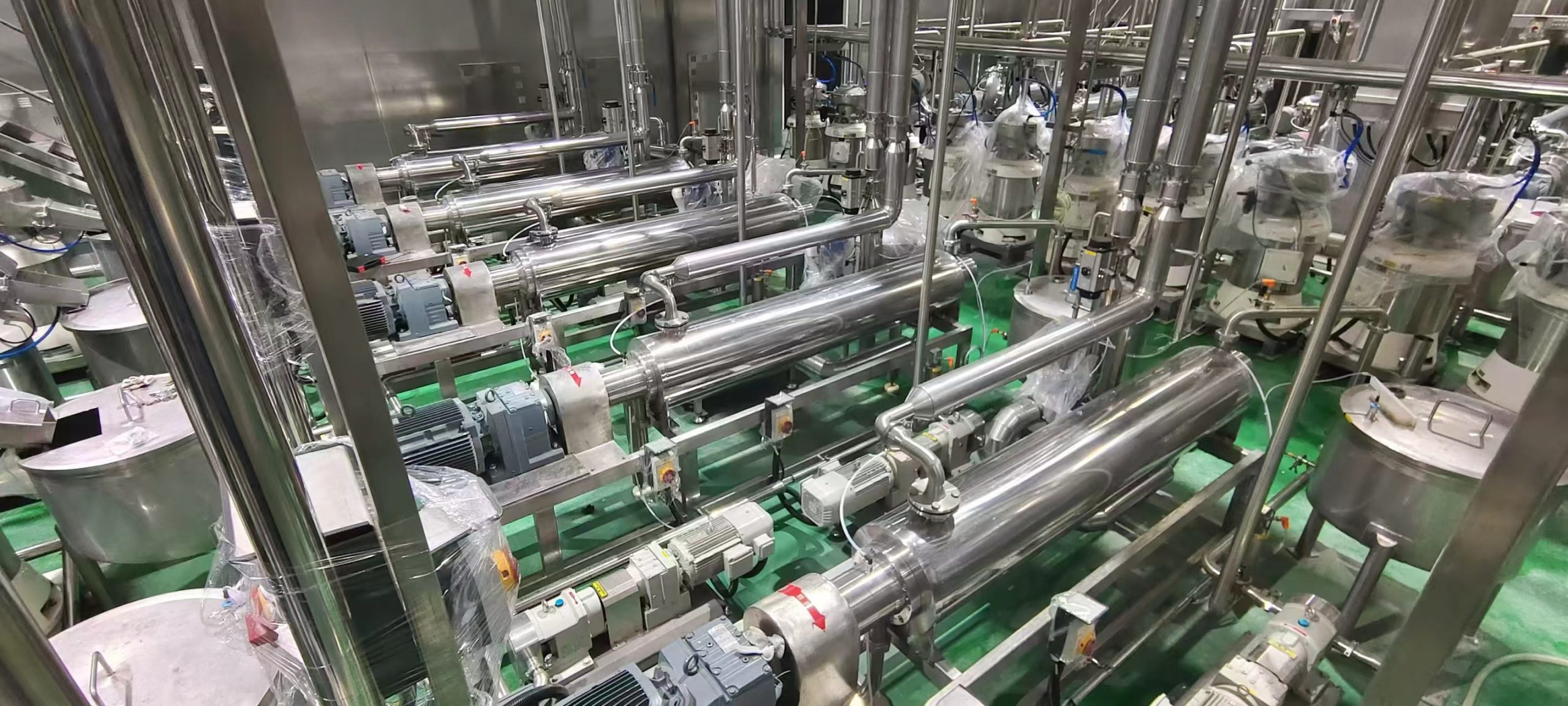
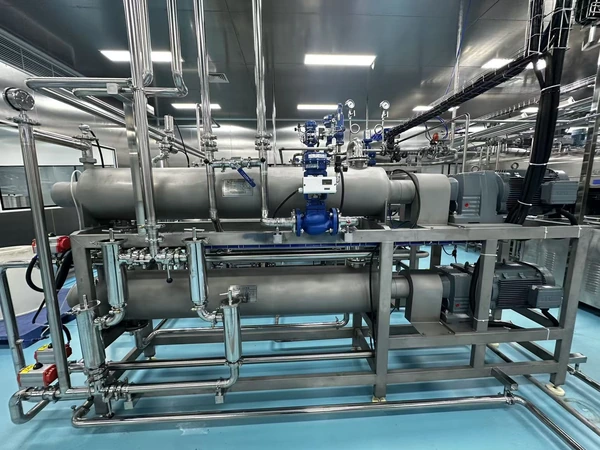
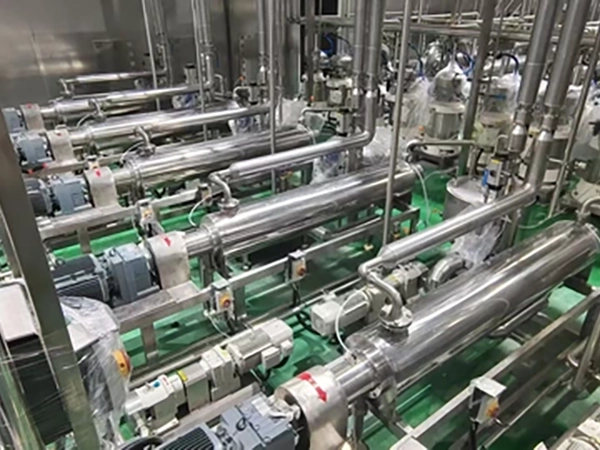
Scraped Surface Heat Exchanger for Viscous Products

Moving scrapers renew the wall film, making this exchanger relevant to viscous, sticky, crystallizing or heat-sensitive products.

  • Active Fouling Control
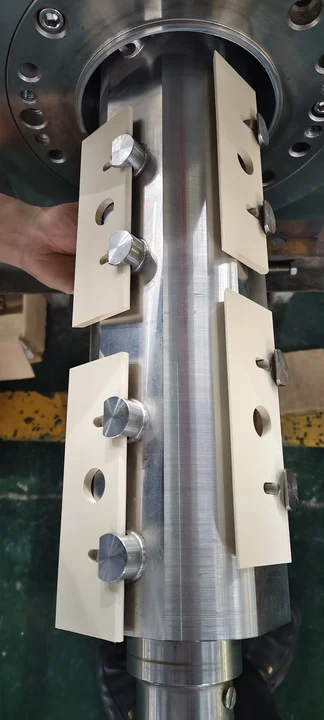
    Scraper blades keep the heat-transfer wall clean, helping prevent deposits, product burn-on, and crystal buildup.
  • Effective with High-Viscosity Products
    By renewing the surface and stirring the product, heat transfer is improved in situations where low turbulence would make standard exchangers less efficient.
  • Suitable for Phase-Changing Processes
    The unit can heat or cool sticky products, those with particles, and crystallizing materials, all while keeping everything moving through the cylinder.
  • Adaptable Processing Capacity
    You can adjust the rotor speed and product flow to fit the process, and use several cylinders together in series or parallel if needed.

Scraped Surface Heat Exchanger Description

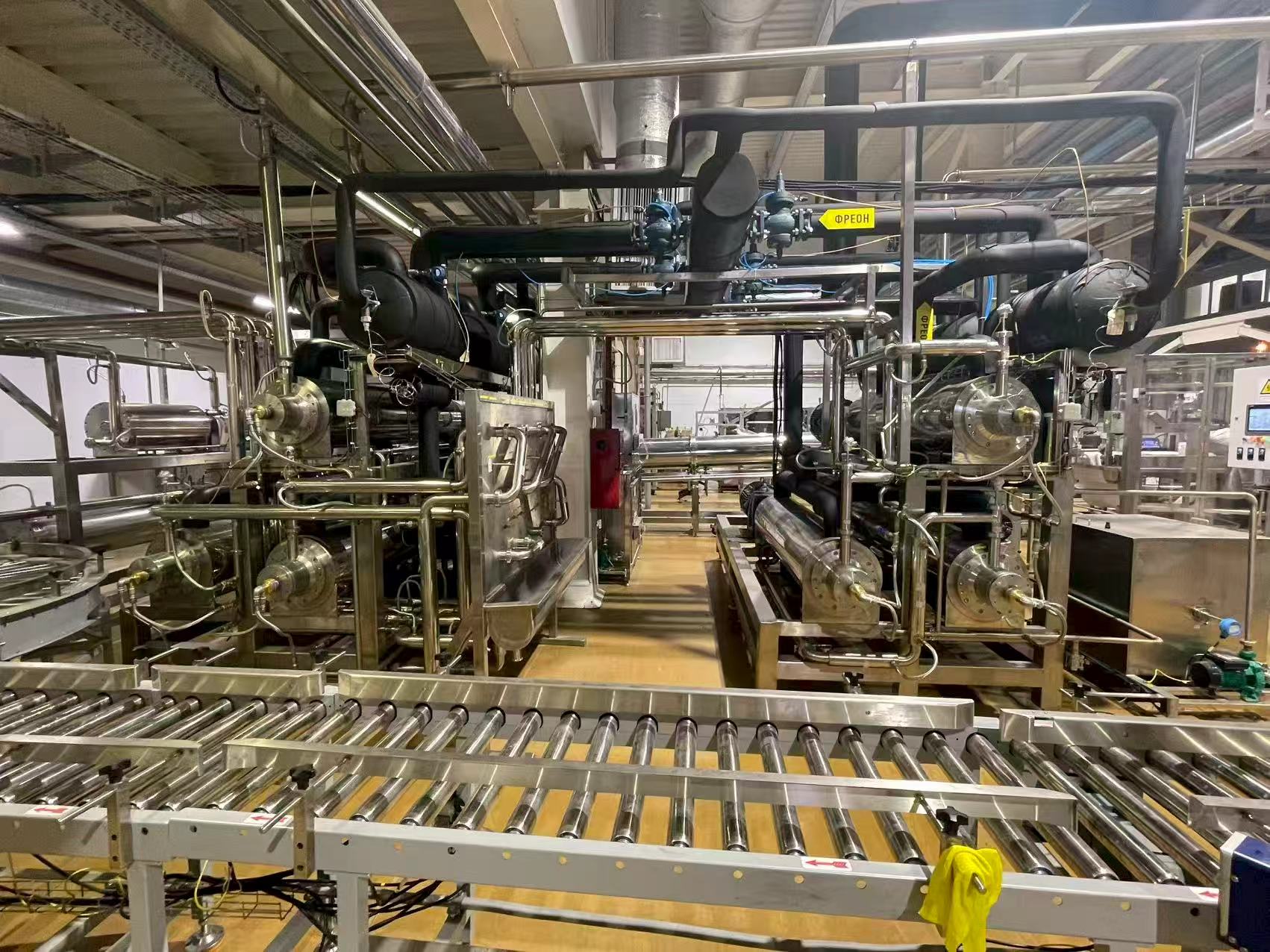
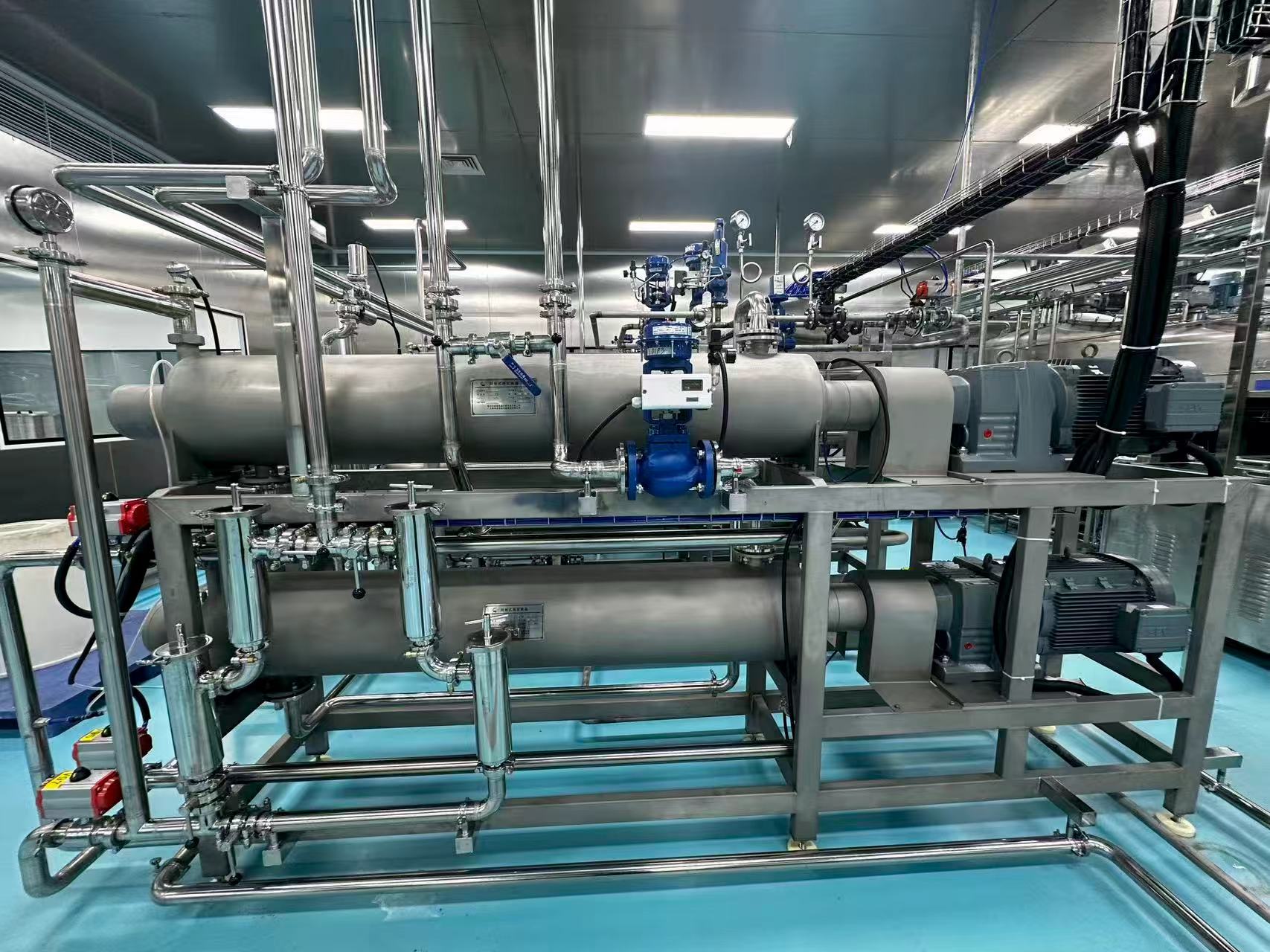
A scraped surface heat exchanger is ideal for handling viscous, sticky, or crystallizing liquids that can quickly clog standard equipment. Scraper blades move along the cylinder wall to keep it clean, refresh the product layer, and help maintain steady heating or cooling.

To choose the right model, buyers need to share details like flow rate, viscosity, solids content, particle size, inlet and outlet temperatures, utility conditions, and the allowed pressure drop. Factors such as blade material, rotor speed, type of mechanical seal, and how easy it is to maintain also impact how long the equipment lasts. These heat exchangers for viscous and fouling liquids can be set up in series or parallel to reach the needed temperature change and processing capacity.

Scraped Surface Heat Exchanger Technical Data Sheet

Scraped Surface Heat Exchanger Technical Data Sheet
Parameter Tinsins Typical Manufacturing Range Unit / Configuration
Heat-transfer area 0.2–10 m² per unit
Product flow 0.2–50 m³/h
Viscosity screening range Up to 20,000 mPa·s
Maximum particle size Up to 10 screening mm
Heating / cooling medium Steam, water, glycol, oil or refrigerant by review Utility
Minimum continuous flow Duty-specific m³/h
Product-side design pressure Up to 2.5 MPa
Design temperature -20 to 200 °C
Rotor speed 25–500 typical rpm
Mechanical seal Single or double cartridge type Supplier-selected
Supply boundary Pressure shell, cylinder, base and package assembly Tinsins scope
Annular gap Validated for each rotor/cylinder combination mm
Utility-side design pressure Project-defined MPa
Drive power and torque Supplier-calculated kW / N·m
Product-contact material 304/304L or 316/316L Project selection
Scraper material PTFE, PEEK or compatible polymer Supplier-selected
Surface finish Industrial finish; Ra≤0.8 μm by review Project option
Cleaning method Manual or conventional CIP provision Project option
Seal utilities Flush or barrier system as required Project input
Inspection and test Pressure test, alignment and mechanical run checks as specified ITP / FAT
Required RFQ data Product rheology, particles, fouling, phase change and temperature limits Customer input

Discuss Your Scraped Surface Duty

Share viscosity curves, solids, phase behavior, capacity and cleaning method. These details are needed before the rotor and scraper arrangement can be reviewed.

Scraped Surface Heat Exchanger Applications

  • Edible Oils and Food Processing
    A scraped surface heat exchanger used in margarine and edible oil processing helps control the cooling of fats, lecithin, sauces, starch mixtures, and other thick products.
  • Chemical Crystallization
    A scraped surface cooler used in chemical crystallization helps prevent crystals from building up on the wall and keeps the product moving before it goes to the next separation step.
  • Cosmetics and Personal Care
    An SSHE used for cosmetic creams, gels, and toothpaste heats or cools thick mixtures that might stick to regular heat-transfer surfaces.
  • Industry
    An industrial scraped surface heat exchanger cools grease and wax, handling thick materials that change how they flow as the temperature changes.y with temperature.

Scraped Surface Heat Exchanger Operation Video

Detail Display

Viscosity Data at Operating Temperat

A viscosity value measured at room temperature usually isn’t enough. Temperature changes or chemical reactions can greatly affect product behavior, which impacts pressure loss, rotor torque, and heat transfer. Be sure to provide the expected viscosity range for the entire process.


Scraper Wear and Product Contamination

Blade material and how much pressure is applied both affect wear. If product contamination is a concern, agree on the allowed wear mechanism, inspection schedule, and replacement steps before starting production.

Products Categories
Get A Free Quote
Contact Form

Related Products

Related News

Scroll to Top

Get A Free Quote Now !

Contact Form
If you have any questions, please do not hesitate to contatct with us.
Factory