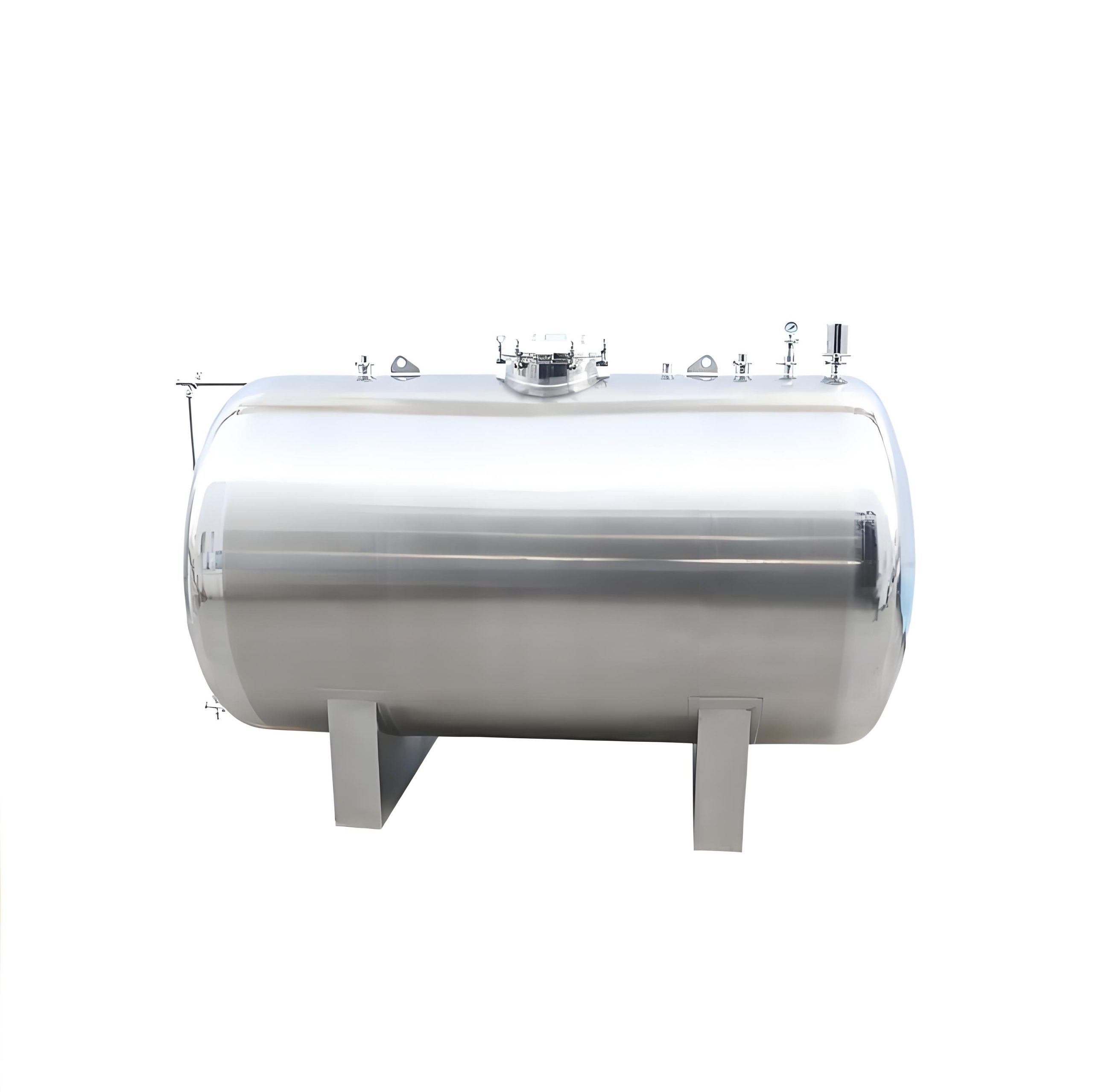
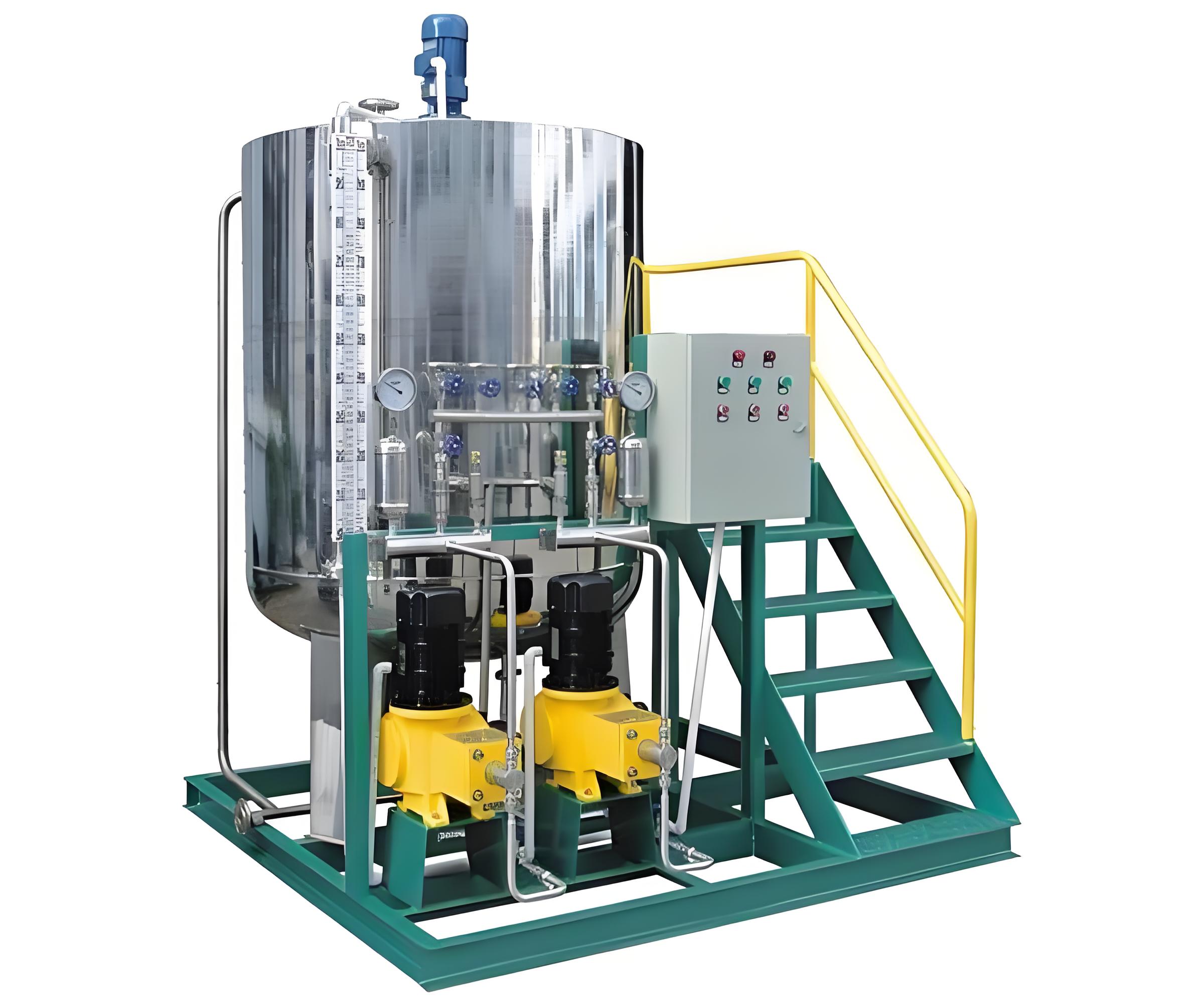
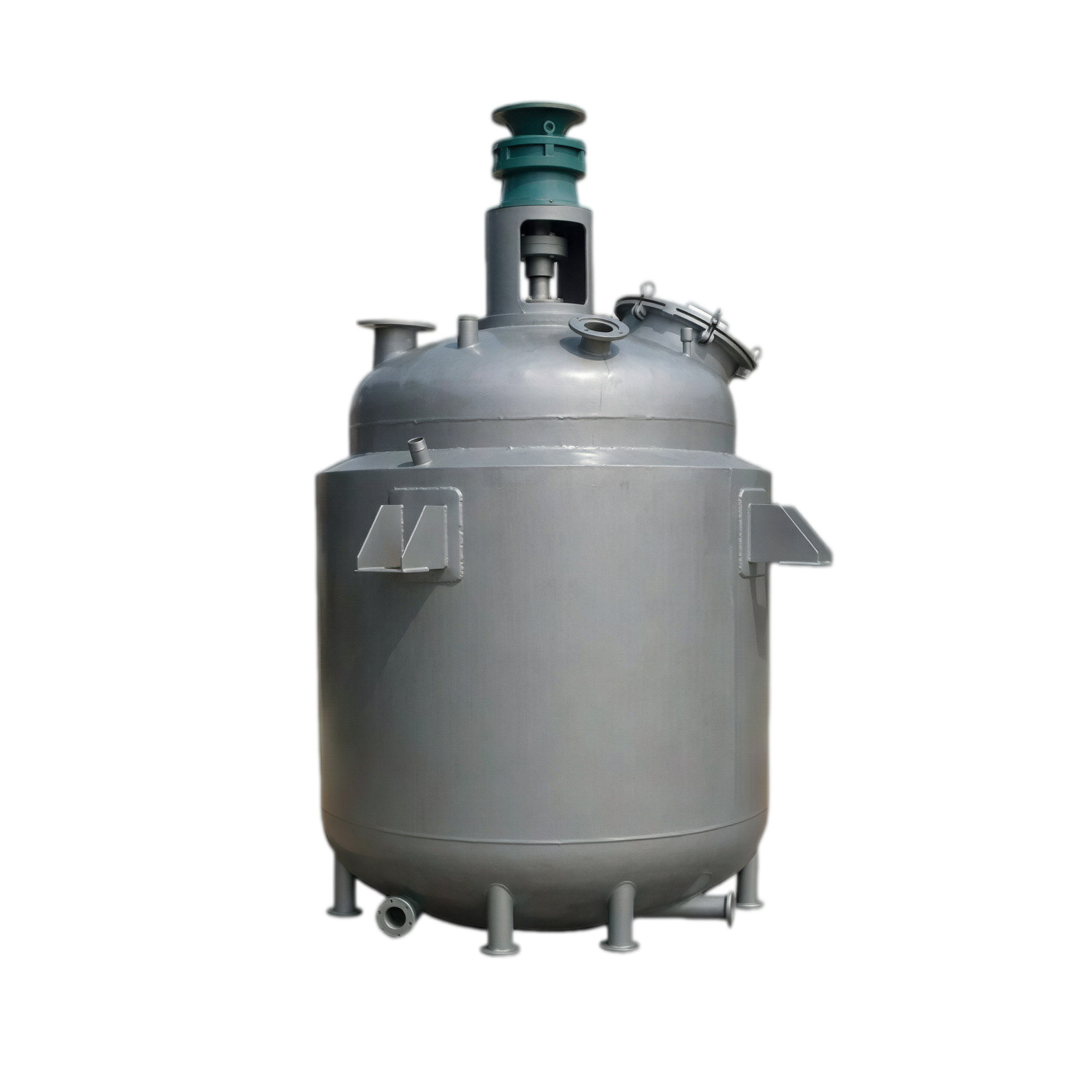
Jacketed Stirred Tank Reactor for Batch Processing
A jacketed stirred tank only performs as intended when vessel geometry, agitator duty and utility circulation are treated as one system.
1. Mixer selected around product behavior
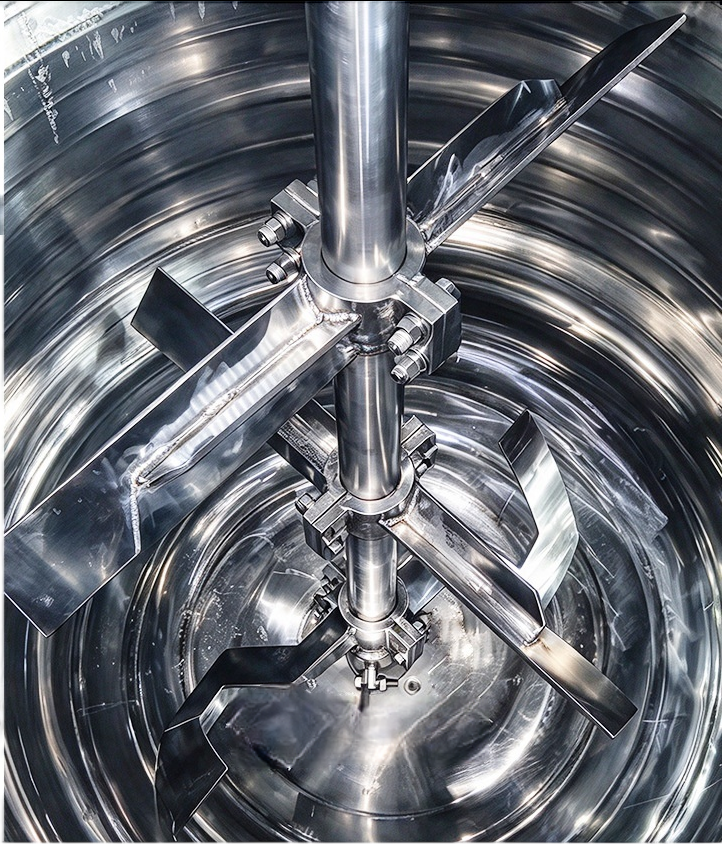
The impeller type and speed depend on factors like viscosity, solids content, gas dispersion, and the desired mixing outcome. 2. Jacket arrangement matches the thermal duty
Before fabrication, review utility conditions, heat-transfer area, circulation, and pressure drop. 3. Internal clearances are coordinated
Make sure the impeller path, baffles, dip pipes, coils, and instrumentation do not interfere with each other. 4. Fabrication controls limit distortion
Proper fit-up, weld sequence, and dimensional checks help keep the vessel, jacket, and agitator aligned
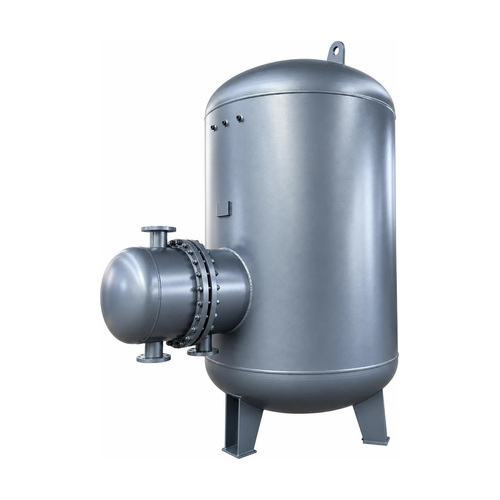
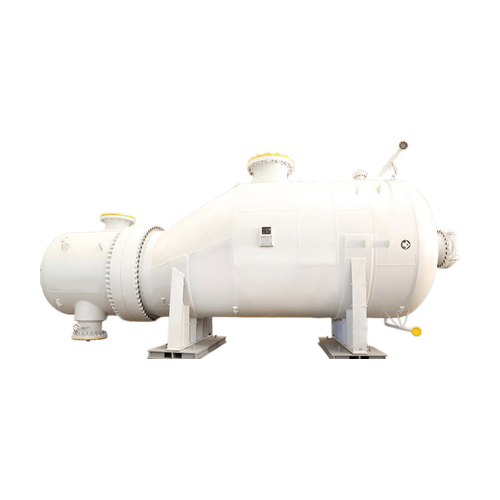
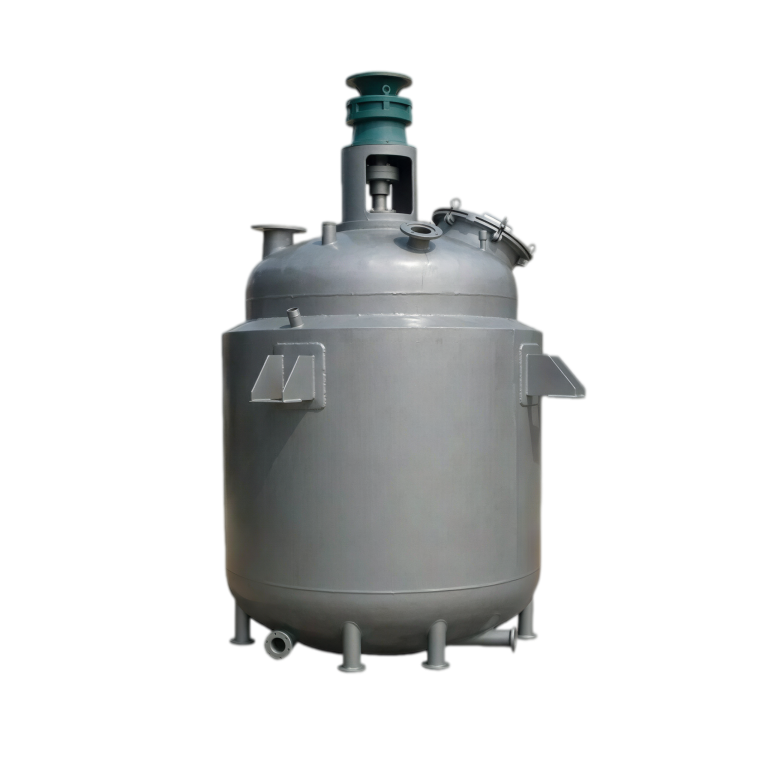
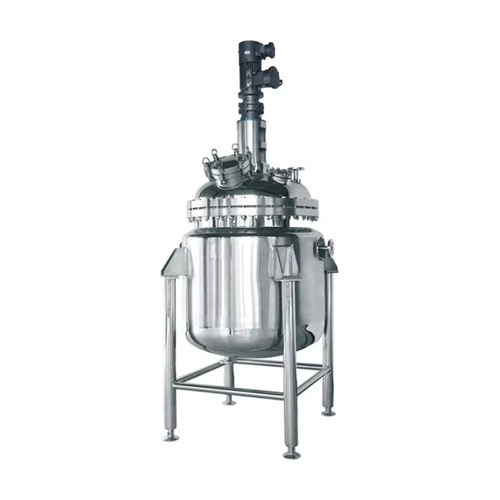
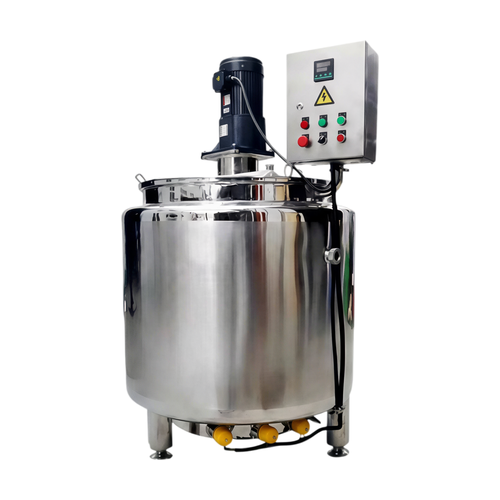
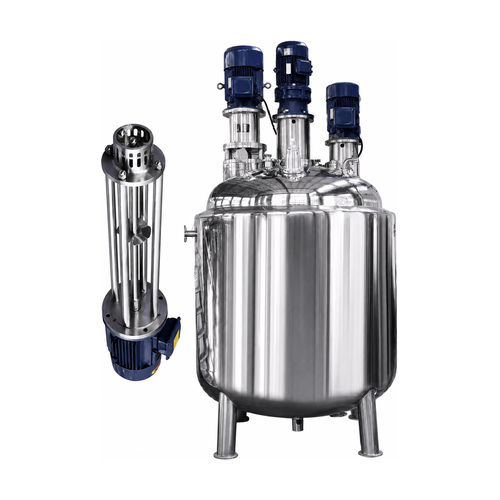
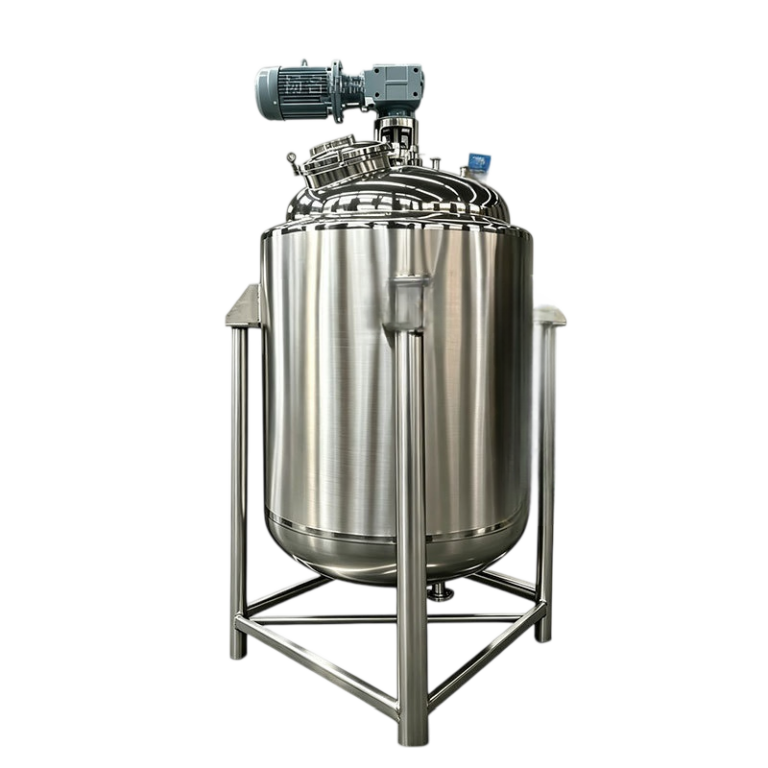
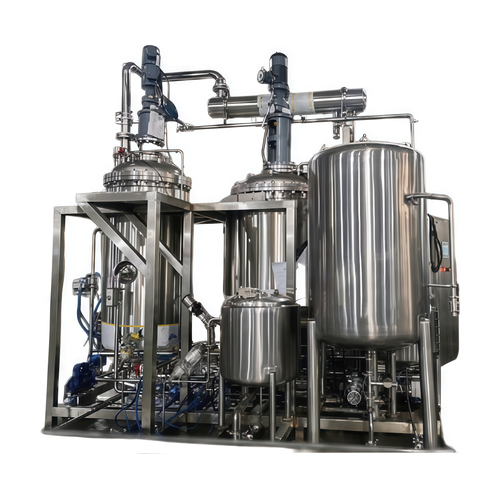
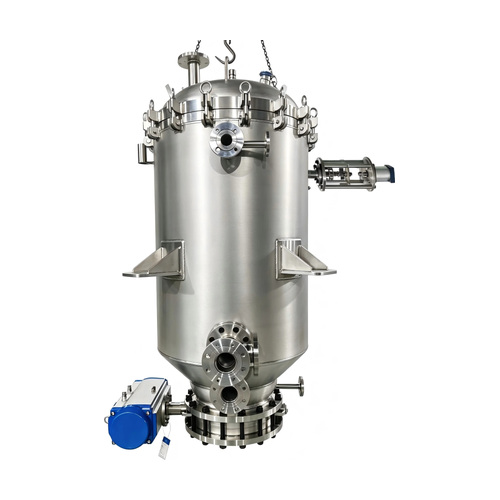
A jacketed stirred tank reactor uses both mechanical mixing and indirect heating or cooling in one vessel. Steam, hot water, thermal oil, or cooling water flows through the outer jacket, while the agitator keeps materials moving, spreads heat evenly, and helps process phases mix.
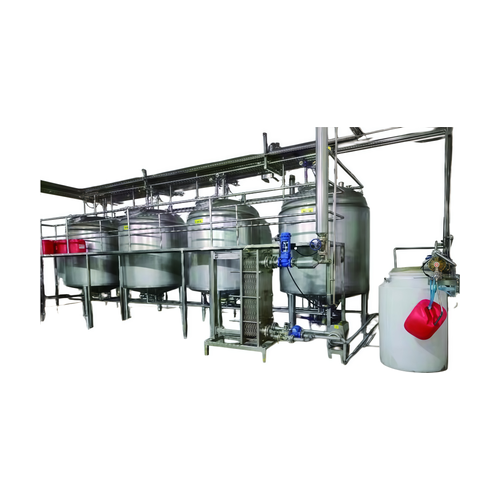
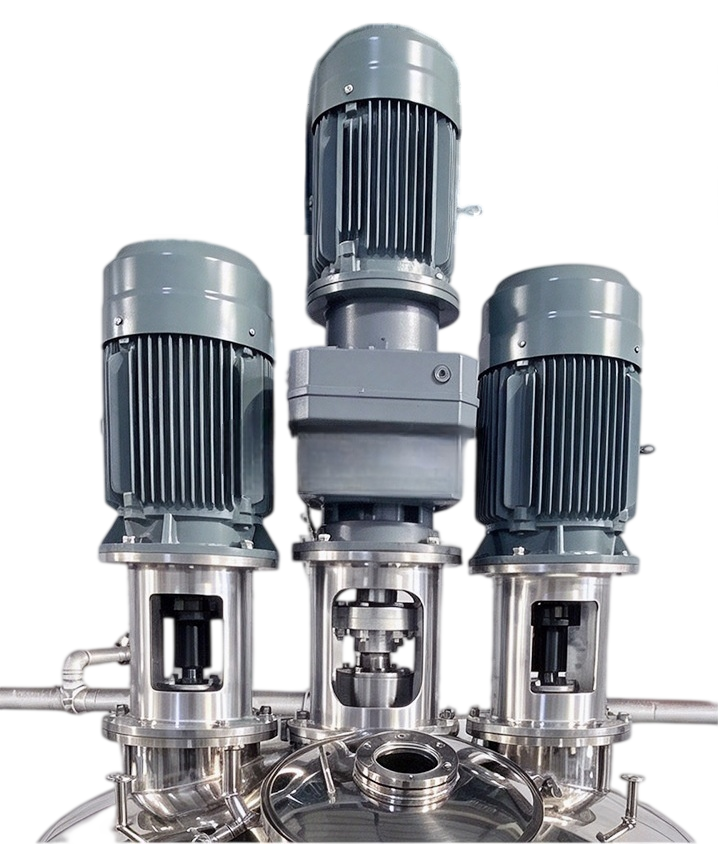
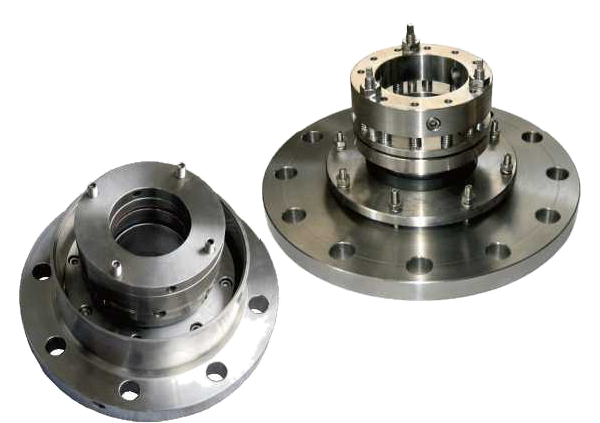
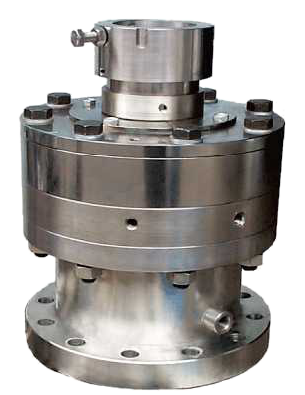
This custom jacketed stirred tank reactor for batch chemical processing can have a standard jacket or a half-pipe coil. It can also include baffles, feed connections, a thermowell, a mechanical seal, an inspection opening, and a bottom discharge. You can choose anchor, paddle, propeller, or turbine agitators based on viscosity, solids content, and mixing needs. The final design depends on working volume, fluid properties, operating pressure, temperature, heat-transfer needs, agitator speed, sealing requirements, and the relevant pressure-vessel code.
Jacketed Stirred Tank Reactor Technical Data Sheet
Jacketed Stirred Tank Reactor Technical Data Sheet
Parameter
Tinsins Typical Manufacturing Range
Unit / Configuration
Viscosity screening range
Up to 20,000
mPa·s
Heat-transfer arrangement
Jacket, dimple jacket, half-pipe or internal coil
Project option
Heating / cooling duty
Project-calculated
kW
Total geometric volume
0.1–70
m³
Typical working volume
60–80% of total
%
Vessel design pressure
Full vacuum to 4.0
MPa
Jacket / half-pipe pressure
0.1–2.5
MPa
Design temperature
-20 to 400
°C
Routine vessel diameter
500–4,000
mm
Agitator power
1–160
kW
Typical agitator speed
10–500
rpm
Vessel aspect ratio
Project-selected
H/D
Impeller type
Anchor, pitched blade, turbine, hydrofoil or combined
Project option
Baffle arrangement
Unbaffled or 3–4 baffles typical
Project option
Shaft seal
Packing, single/double mechanical seal or magnetic drive by review
Project option
Materials
Carbon steel, 304/304L, 316/316L
Product-contact / jacket
Surface finish
Industrial finish; Ra≤0.8 μm by review
Project option
Corrosion allowance
0–6 typical for carbon steel
mm
Cleaning
Manual wash or conventional CIP provision
Project option
Inspection and test
NDE, vessel/jacket pressure tests and alignment check
ITP
Applicable design basis
GB/T 150 or project-specified code
Custom fabrication
Required RFQ data
Batch size, composition, viscosity curve, solids and gas-dispersion duty
Customer input
Review a Jacketed Reactor Application
Provide the batch profile, viscosity range, heat duty, utility data and mixer information. We will review vessel–agitator interfaces and fabrication requirements.
Resin and Polymer Production
A jacketed reactor used for resin polymerization and temperature control mixes the batch and removes heat as viscosity changes. You can choose anchor, frame, or turbine agitators based on the resin system, solids content, and needed circulation.
Chemical Synthesis and Neutralization
A stirred tank reactor for chemical synthesis and neutralization allows for controlled addition, mixing, heating, and cooling of liquid reactants. When planning, check the jacket duty and feed setup against reaction heat, dosing rate, pressure, and batch time.
Adhesives, Coatings and Inks
A jacketed mixing reactor is used in adhesives and coatings production to blend resins, solvents, pigments, and other materials. Choose the agitator type, motor power, and discharge setup based on product viscosity, solids content, and settling behavior.
Dissolution and Crystallization
An agitated reactor vessel for dissolution and crystallization keeps the mixture circulating while the jacket adds or removes heat. It helps dissolve solids, control cooling, and keep crystals suspended before discharge.
Jacketed Stirred Tank Reactor Video
Jacket Area Is Not the Whole Thermal Story
A large heat-transfer area alone will not make up for poor utility flow or weak product circulation at the wall. Factors like jacket pressure drop, how the inlet is arranged, impeller performance, and fouling all affect heating and cooling times.
Control Distortion Before Mixer Installation
Welding the jacket can shift the vessel flange or shell. Using a staged welding process and checking dimensions along the way helps keep the vessel round and ensures the nozzle and agitator stay in the right position before final assembly.