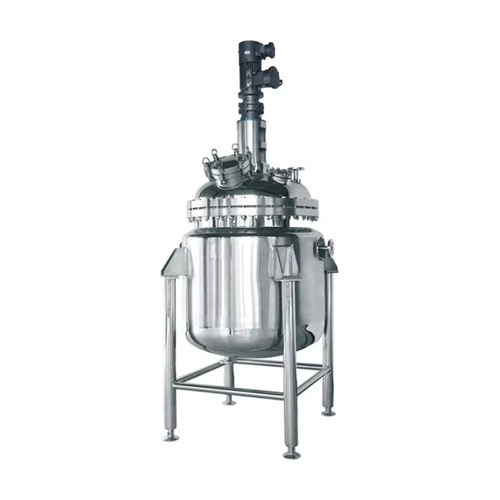
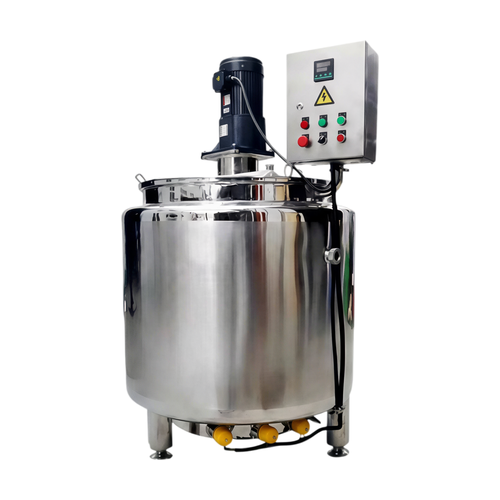
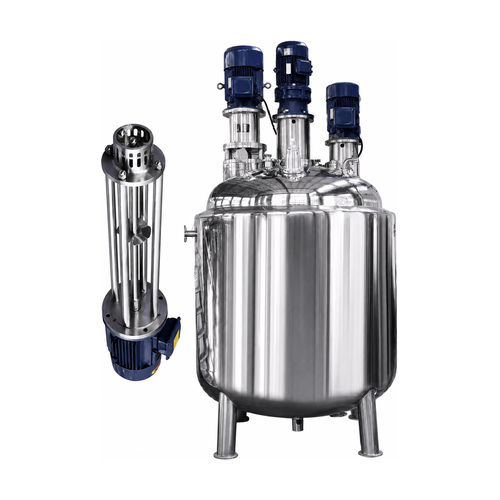
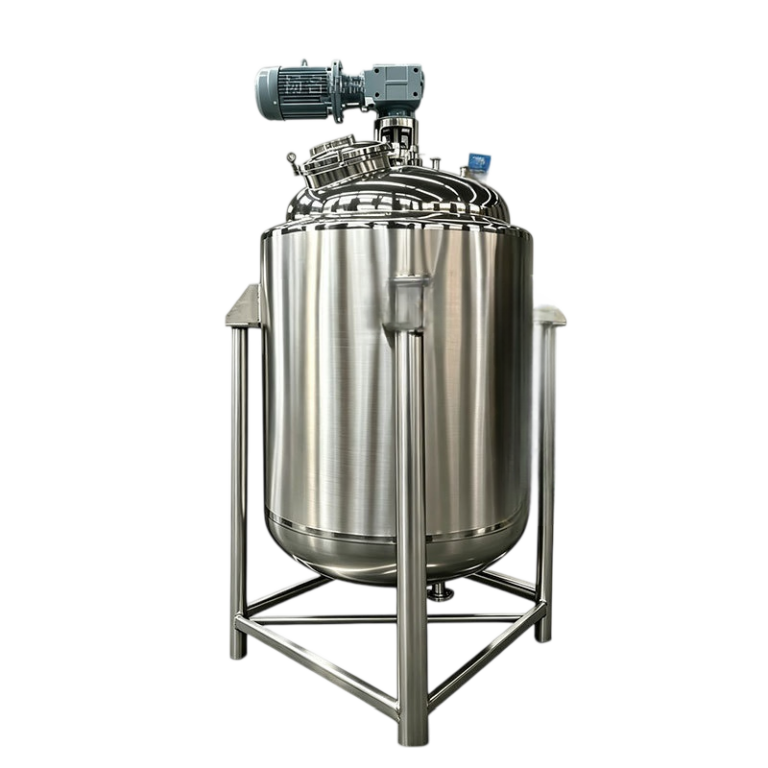
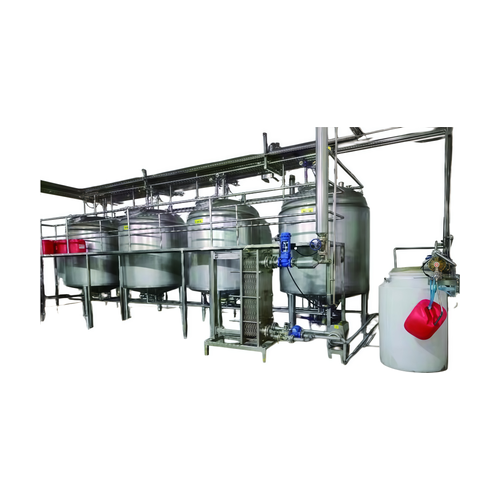
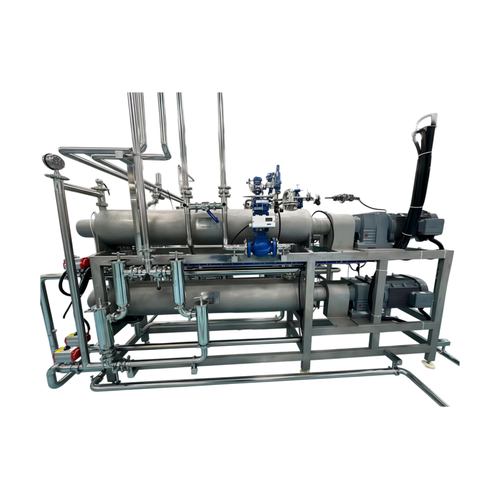
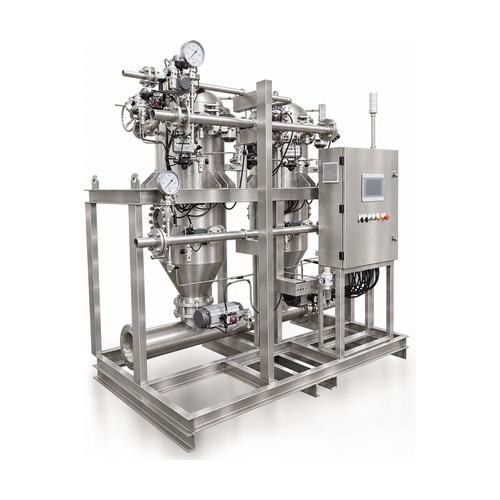
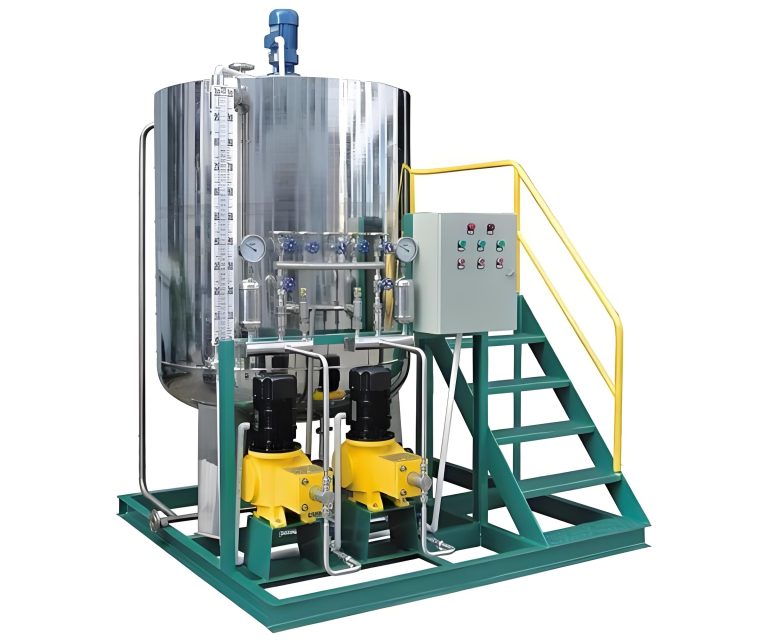
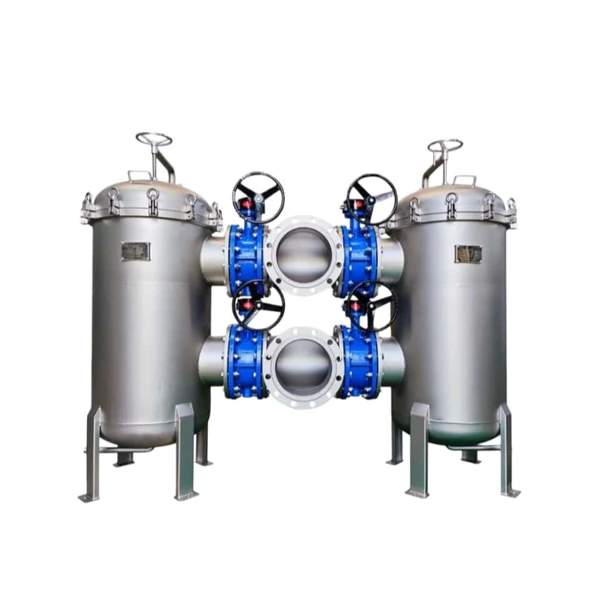
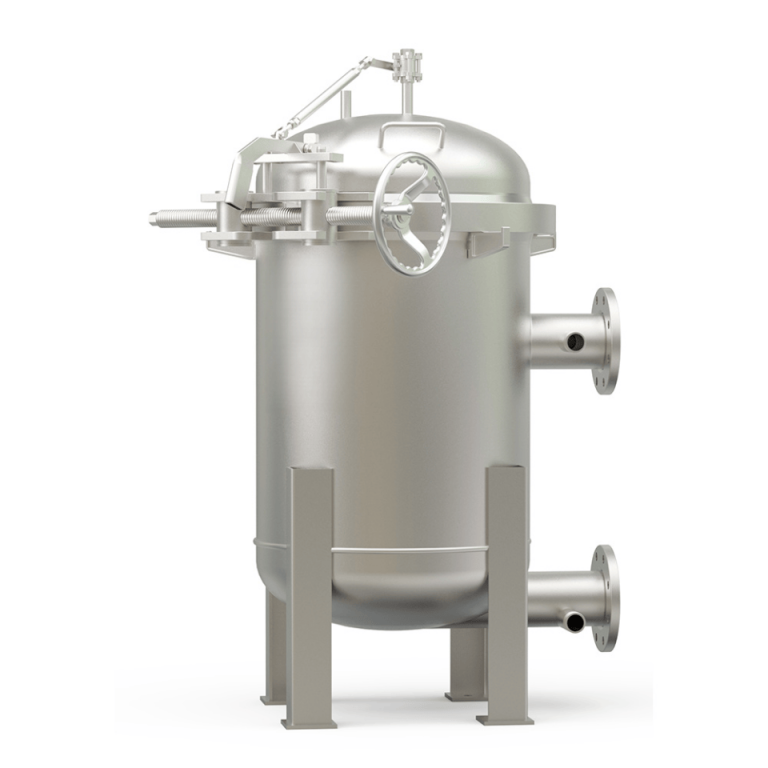
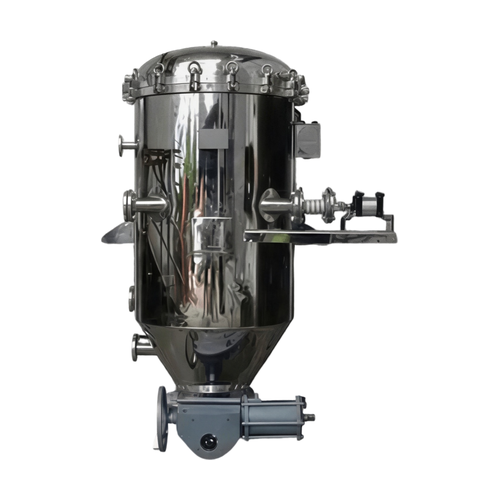
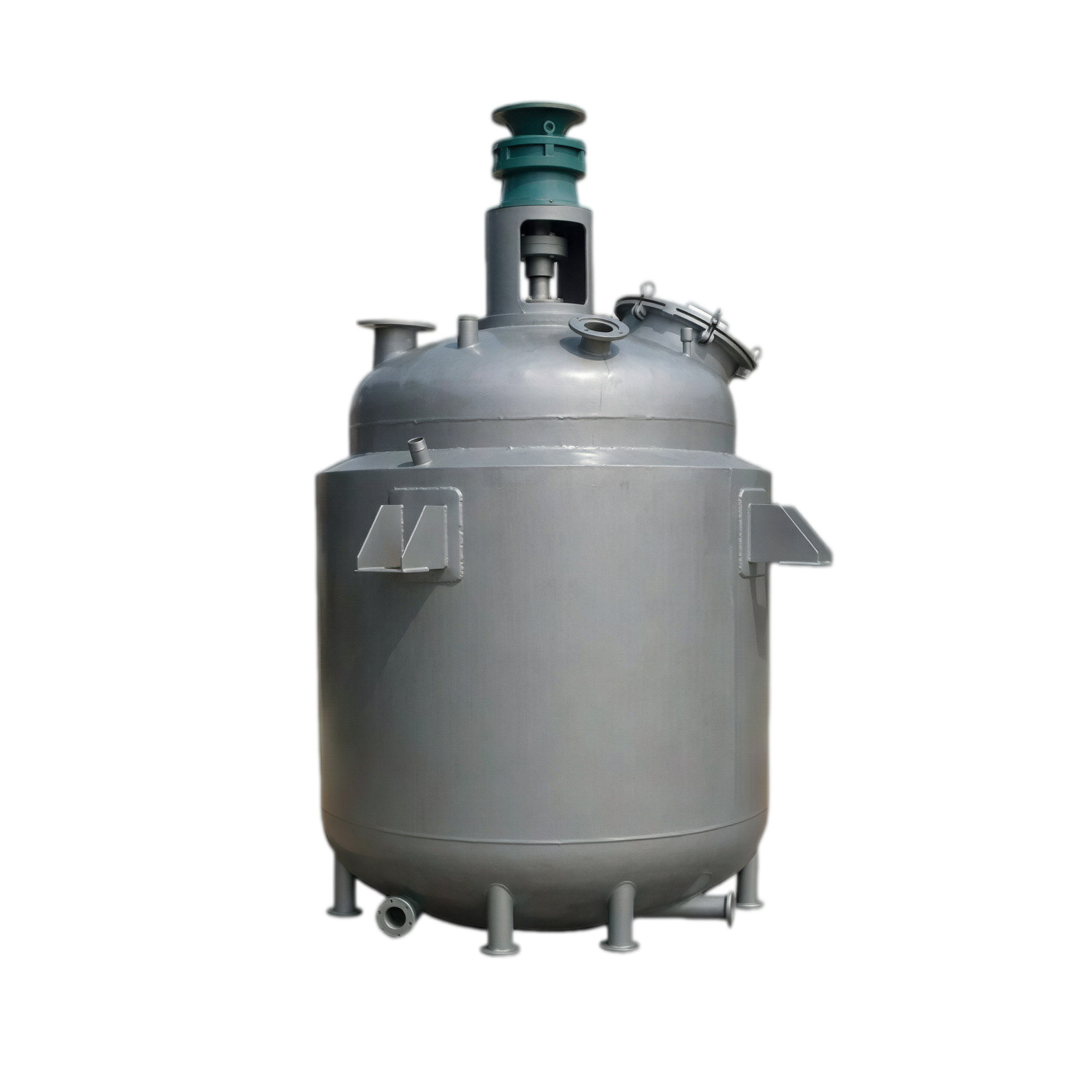
Gas-Liquid Separator Vessel for Process Protection
A gas-liquid separator must remain stable from low flow to peak liquid surge, not only at the rated operating point.
1. Operating range reviewed for both phases
Vessel size and internals depend on the low, rated, and peak gas and liquid loads. 2. Carryover target defined before sizing
The arrangement is based on the droplet-removal requirement, surge volume, and liquid residence time. 3. Internals matched to the service
Inlet devices, demisters, and coalescing elements are chosen based on fouling and maintenance needs. 4. Level-control connections coordinated
Instrument taps, drains, relief connections, and nozzle elevations are set according to the project P&ID.
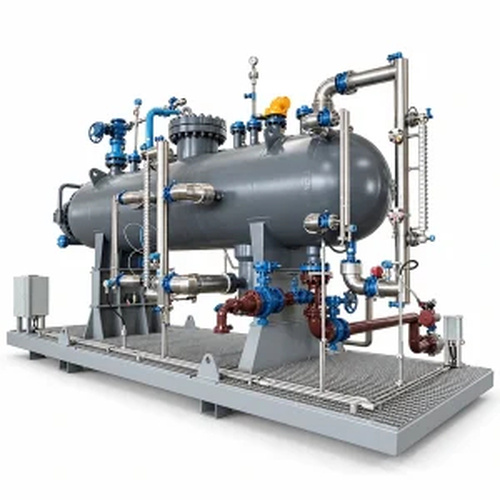
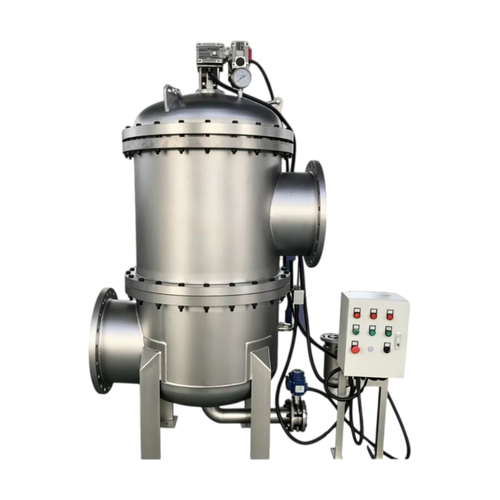
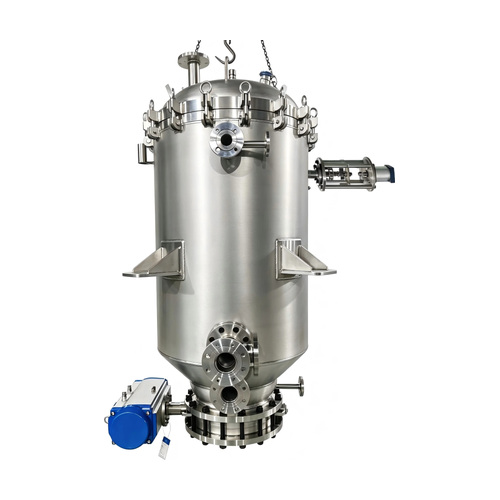
An industrial gas-liquid separator takes out droplets and occasional liquid from a process gas stream. The inlet slows down the flow and spreads out the gas and liquid, so most of the liquid settles by gravity. If finer separation is needed, you can add a wire-mesh demister, vane pack, or another mist-removal device.
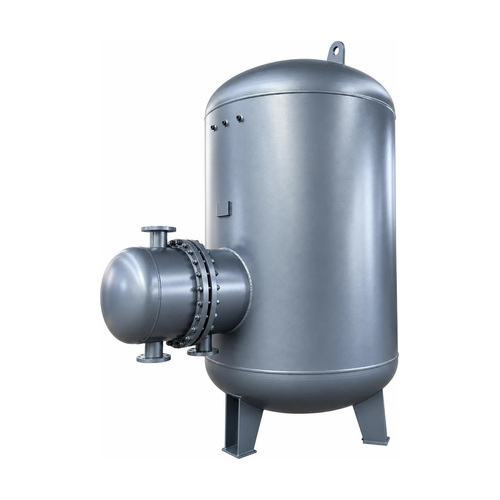
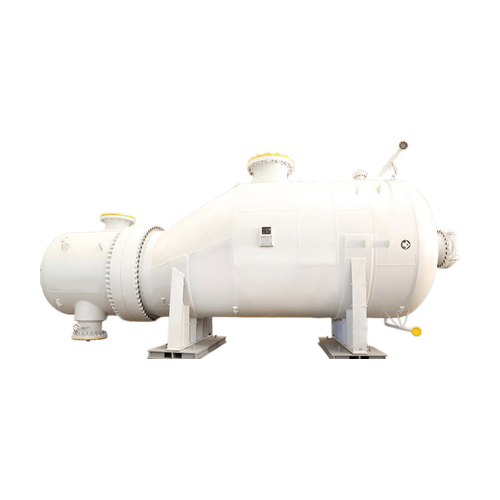
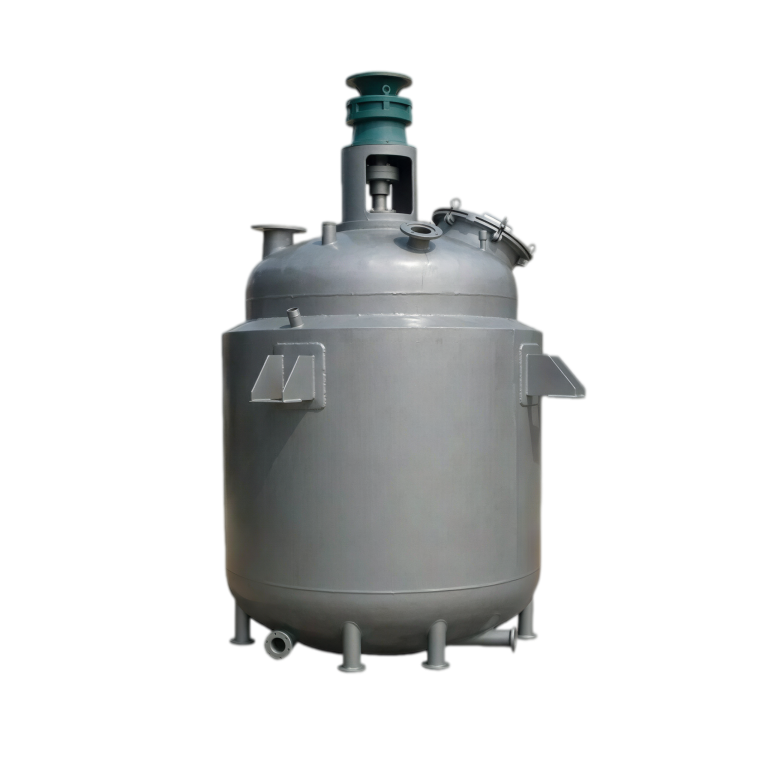
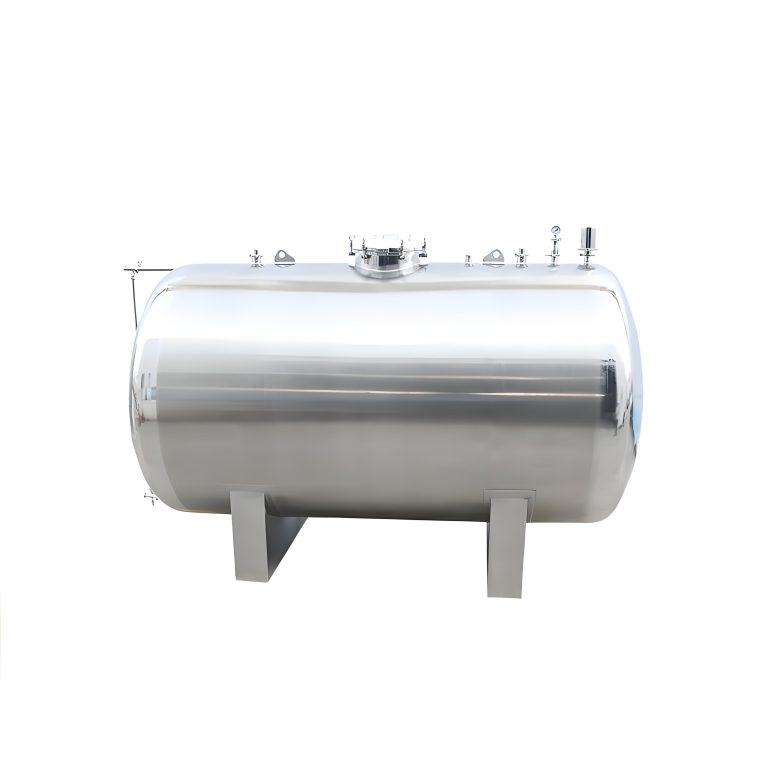
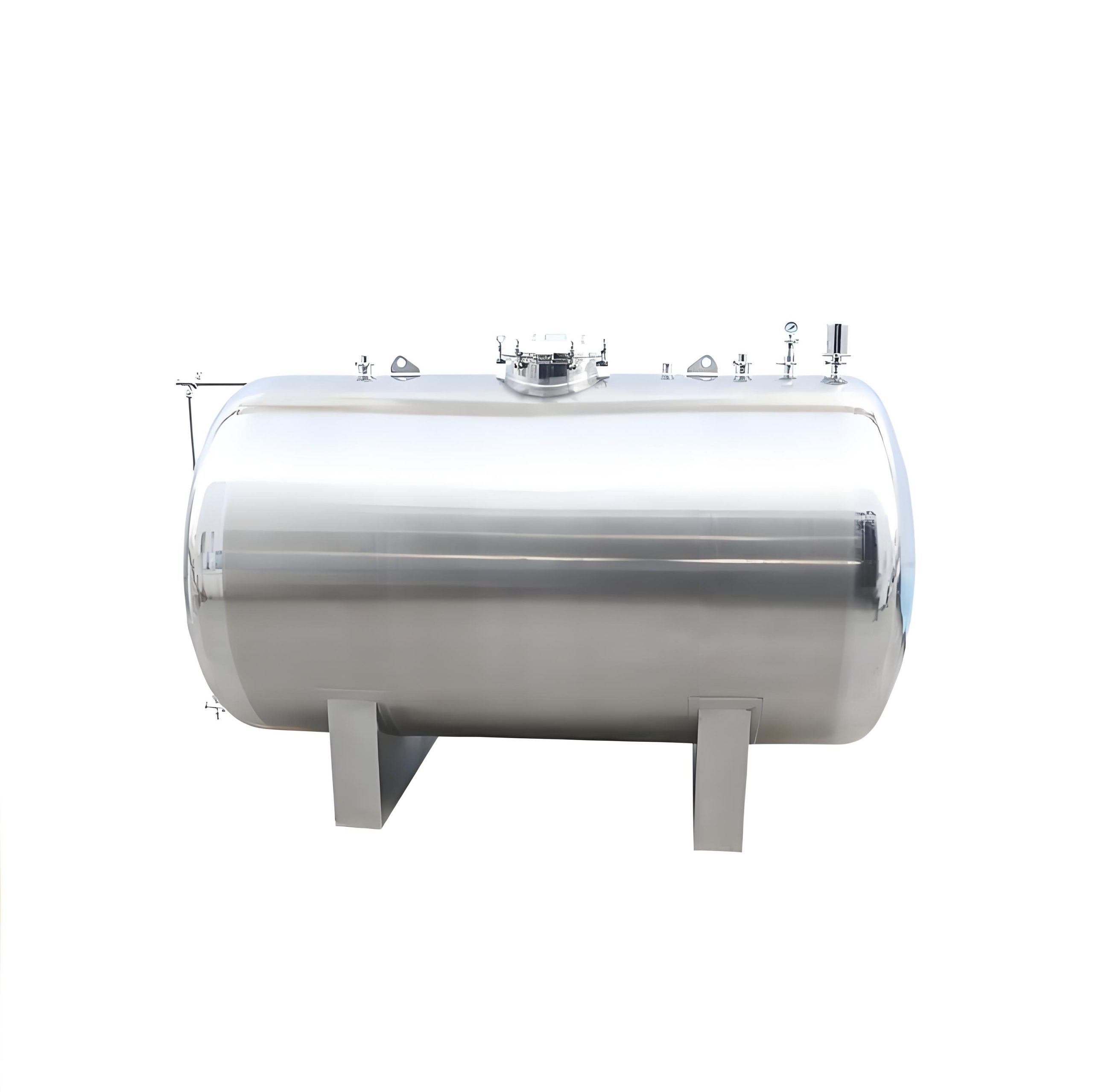
This gas-liquid separator for process gas conditioning comes in both vertical and horizontal designs. The final size depends on the gas and liquid flow rates, operating pressure and temperature, fluid properties, expected slug volume, target droplet size, and how much liquid carryover is allowed.
Gas Separator Technical Data Sheet
Gas-Liquid Separator Technical Data Sheet
Parameter
Tinsins Typical Manufacturing Range
Unit / Configuration
Gas flow
100–150,000
Nm³/h
Liquid flow
0.5–1,000
m³/h
Droplet-removal target
8–150 depending on internals
μm
Operating turndown
Project-defined
% of design flow
Internal pressure drop
Calculated by internal type
kPa
Vessel volume
Up to 70
m³
Vessel diameter
500–4,000
mm
Design pressure
Full vacuum to 4.0 typical
MPa
Design temperature
-20 to 400
°C
Internal device
Inlet diverter, mesh, vane, cyclone or coalescer
Project option
Liquid holdup time
3–10 typical
min
Phase properties
Density, viscosity, surface tension and foaming tendency
Required data
Sizing gas load factor
Duty-specific K-value
m/s
Inlet momentum review
Required
ρv² / nozzle load
Slug / surge capacity
Project-defined
m³
Materials
Carbon steel, 304/304L, 316/316L
Vessel / internals
Level-control interfaces
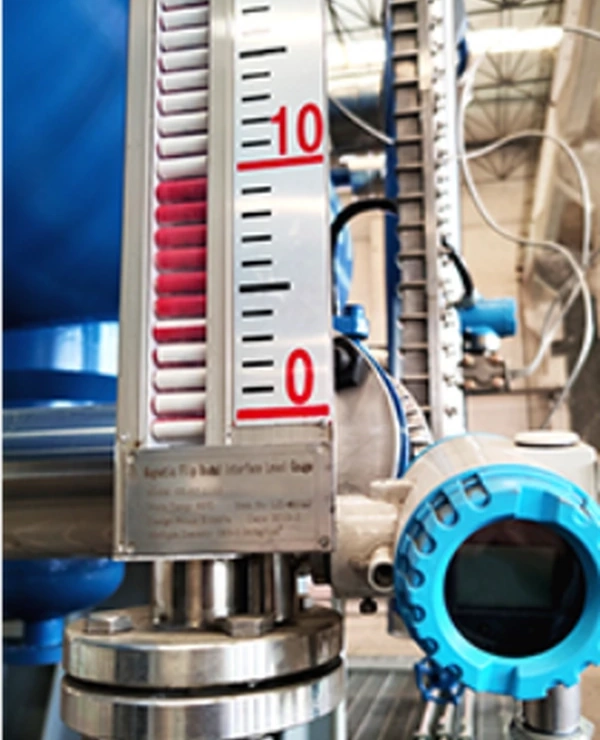
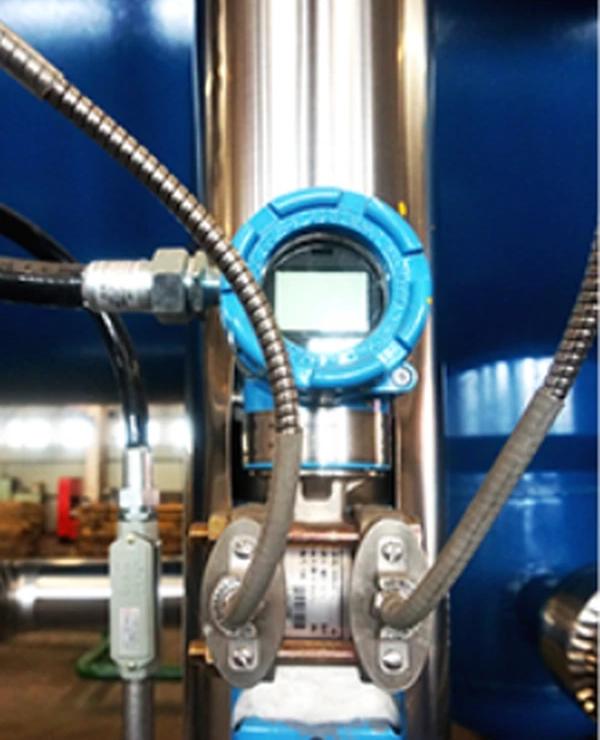
LG/LT, alarms, drain and shutdown nozzles
Project option
Inspection and test
NDE, hydrostatic/pneumatic test and internal inspection
ITP
Applicable design basis
GB/T 150 or project-specified code
Custom fabrication
Required RFQ data
Gas/liquid flow, density, viscosity, surface tension and droplet distribution
Customer input
Request a Gas Separator Sizing Review
Provide low, rated and peak flows for both phases, plus droplet target and surge volume. We will review vessel arrangement and manufacturing scope.
Oil and Gas Production
A vertical gas separator in oil and gas production takes out bulk liquid and droplets from well fluids before the gas moves to downstream equipment. It can also hold liquid temporarily when flow conditions change or during slug loads.
Gas Compression and Transmission
A natural gas liquid separator protects compressors by capturing condensate, lubricating oil, and produced water before they reach the equipment. By reducing liquid carryover, it helps keep valves, pipes, and machinery safe from contamination and damage.
Chemical and Petrochemical Processing
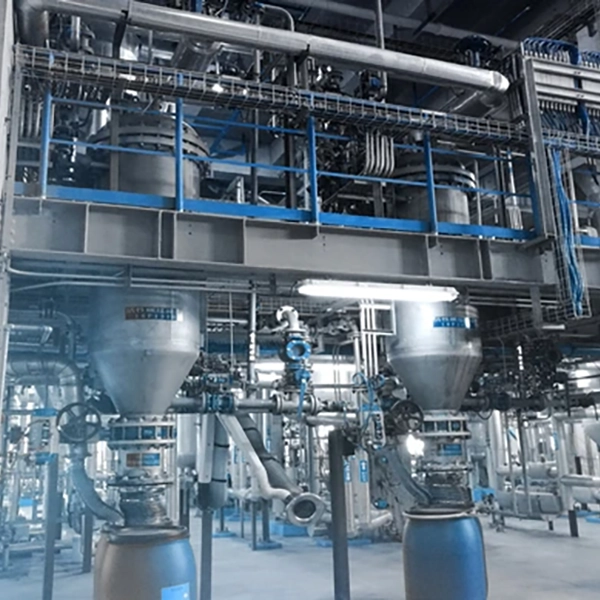
In chemical processing, a gas-liquid separation vessel is used after reactors, scrubbers, absorbers, and distillation systems. The vessel may use gravity separation, a wire-mesh demister, a vane pack, or a mix of these methods, depending on how much droplet removal is needed.
Power and Process Utilities
An industrial vapor-liquid separator in steam and utility systems takes out liquid from steam, refrigerant vapor, or process off-gas. These separators are usually installed at evaporators, steam drums, refrigeration systems, and plant knock-out vessels.
Gas-Liquid Separator Vessel Video
Detail Display
Why Separators Carry Liquid Over
Some common causes are peak gas velocity, liquid surge, foaming, damaged internals, and running the separator outside its specified limits. Simply making the vessel bigger will not fix problems with inlet distribution or level control.
Horizontal or Vertical Vessel?
Vertical separators take up less space and work well with lower liquid loads. Horizontal separators provide more time for liquid to settle and handle larger surges. The best choice depends on available space, the ratio of gas to liquid, and how easy it is to access the inside of the vessel.