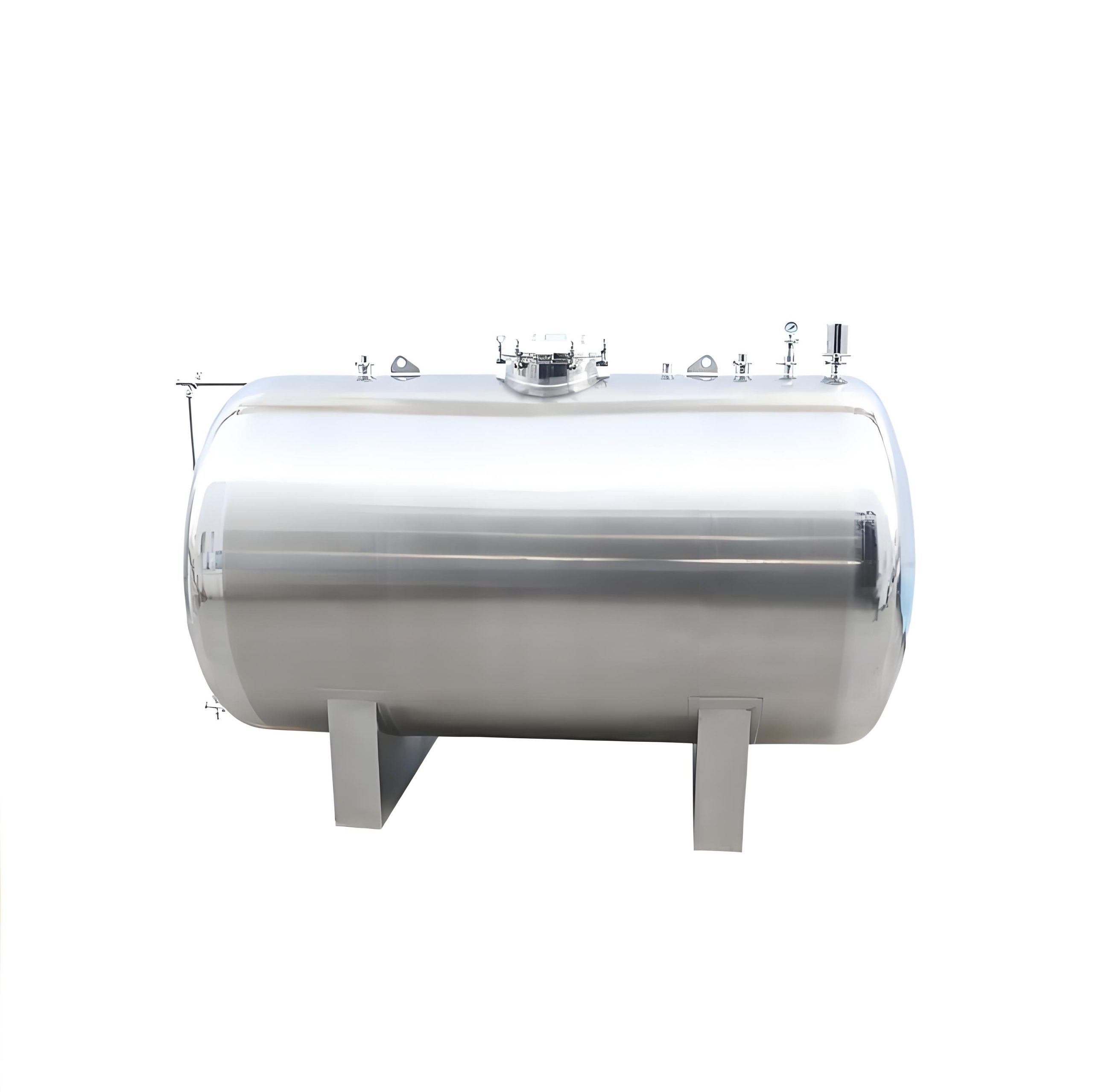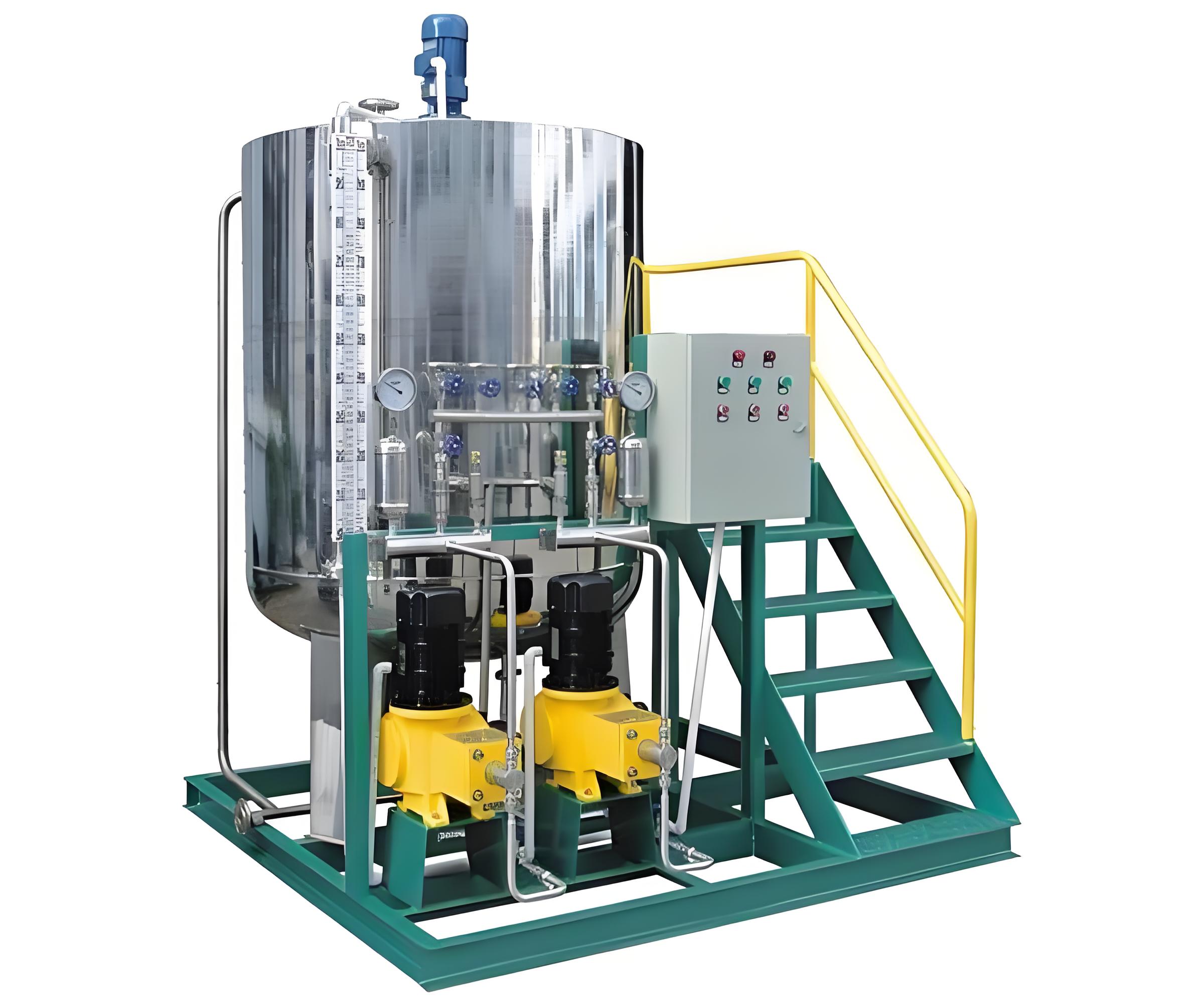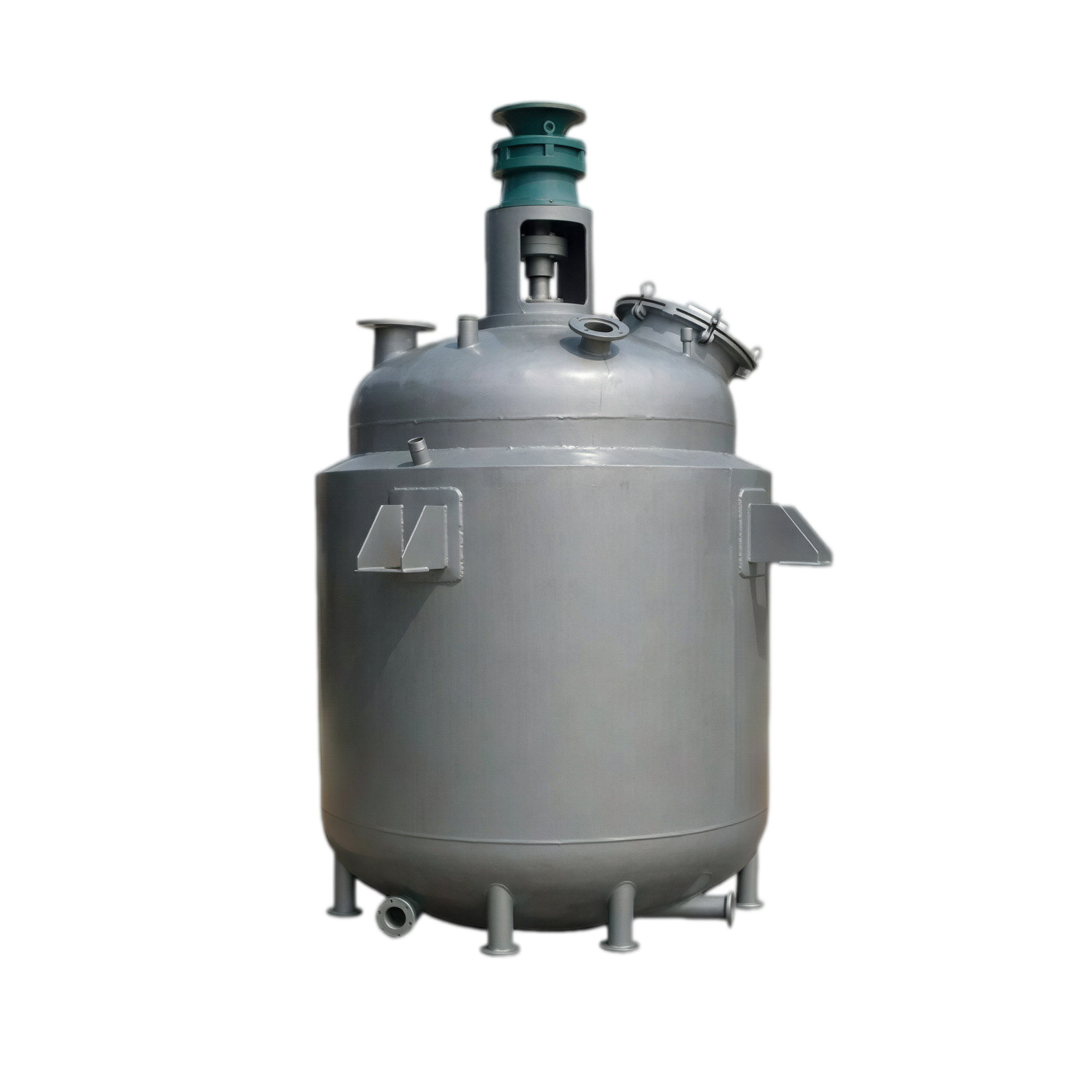
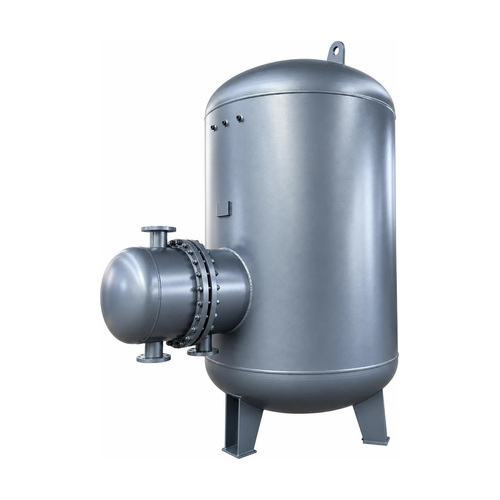
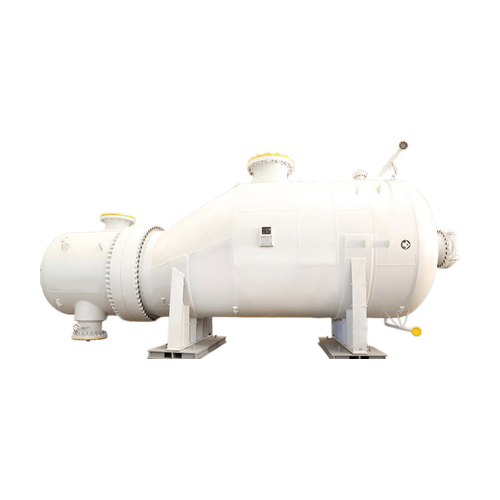
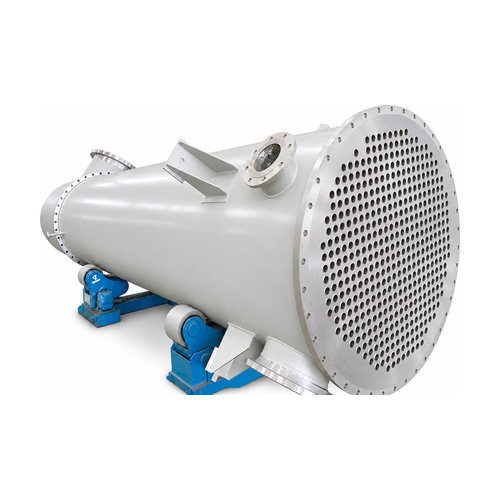
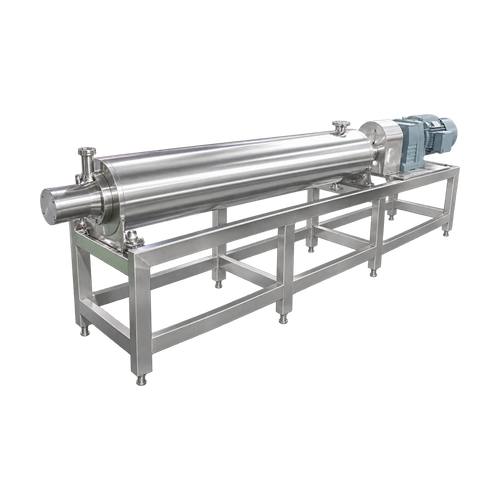
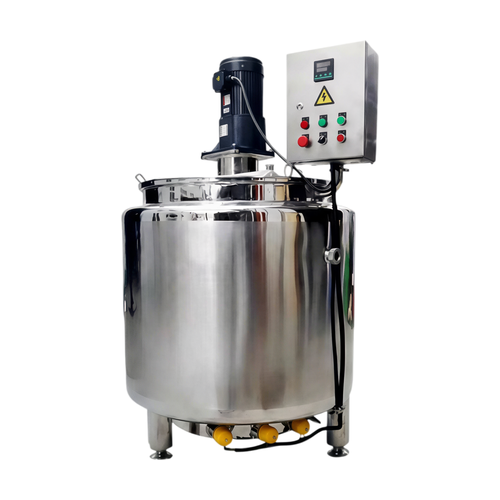

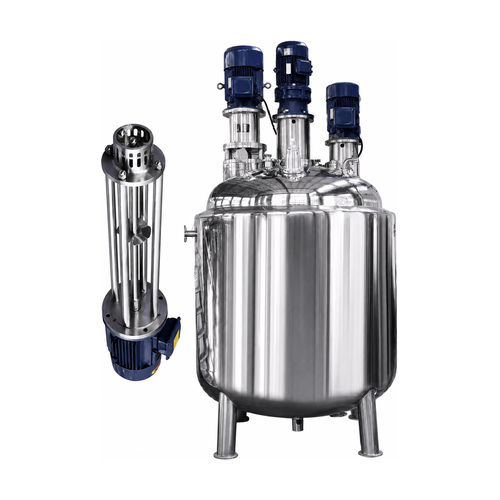
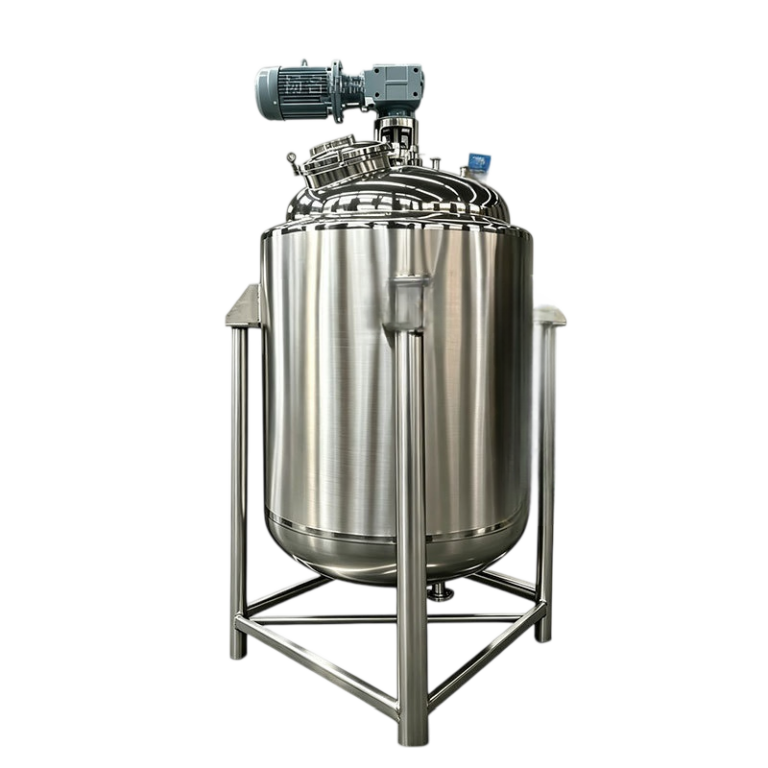
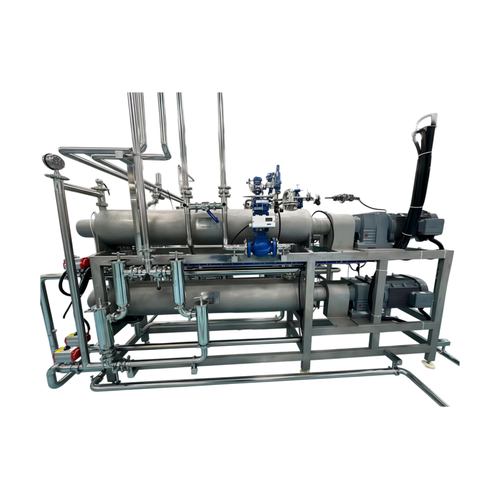
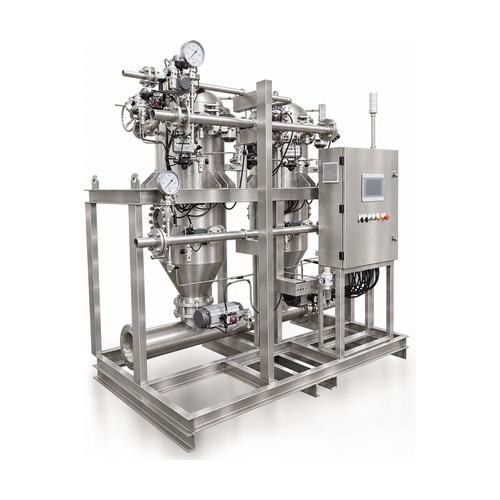
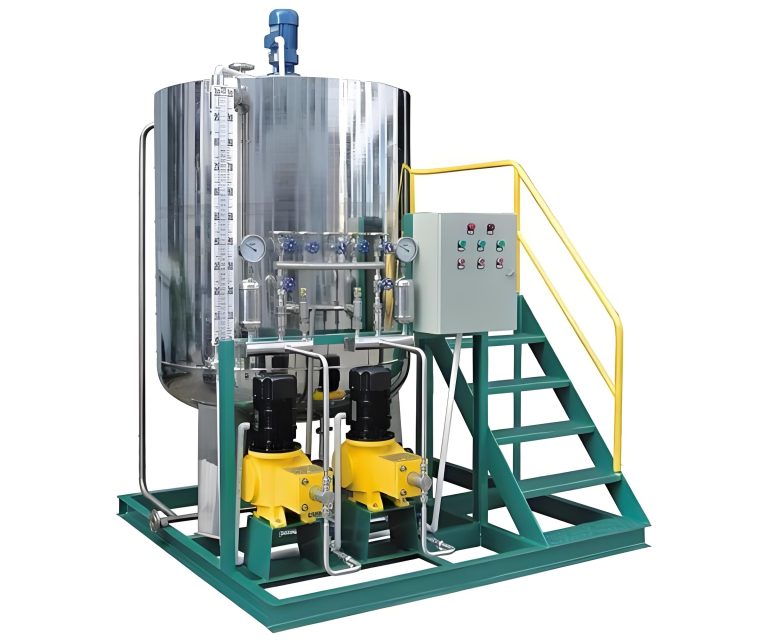
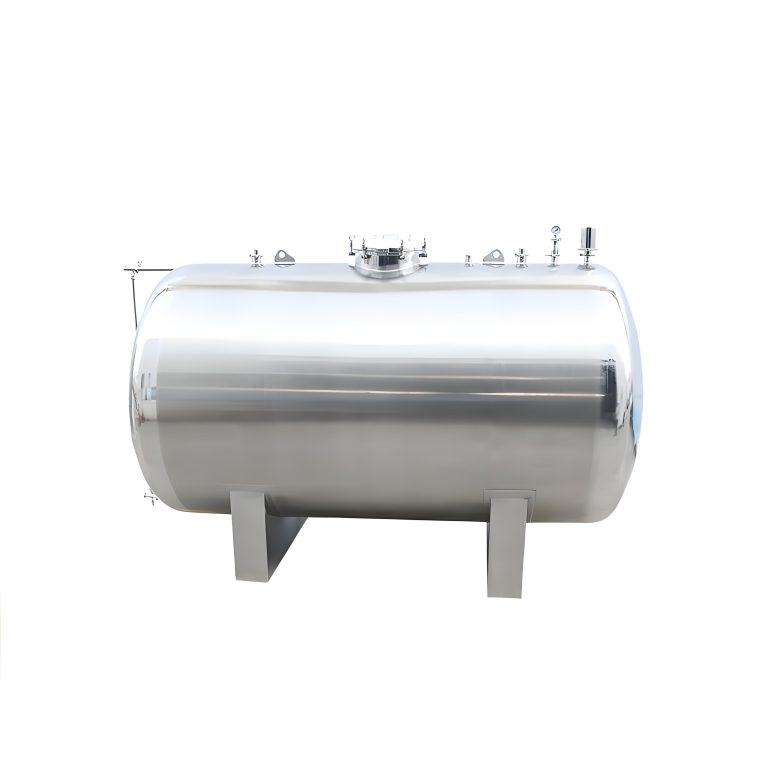
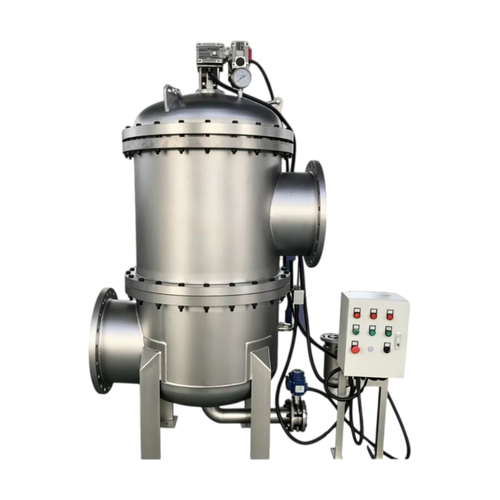
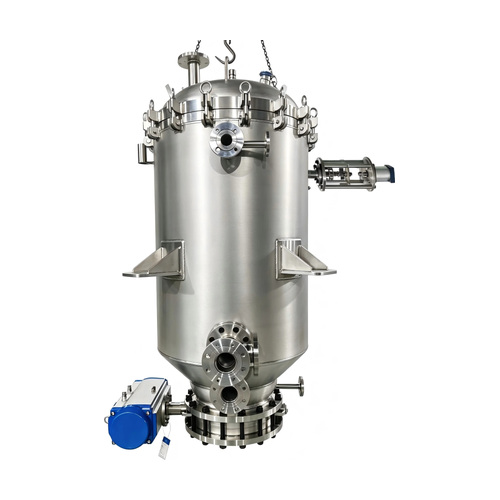
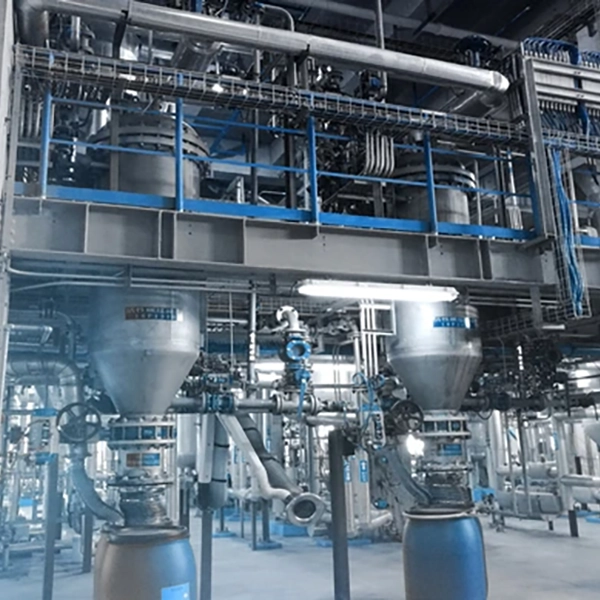
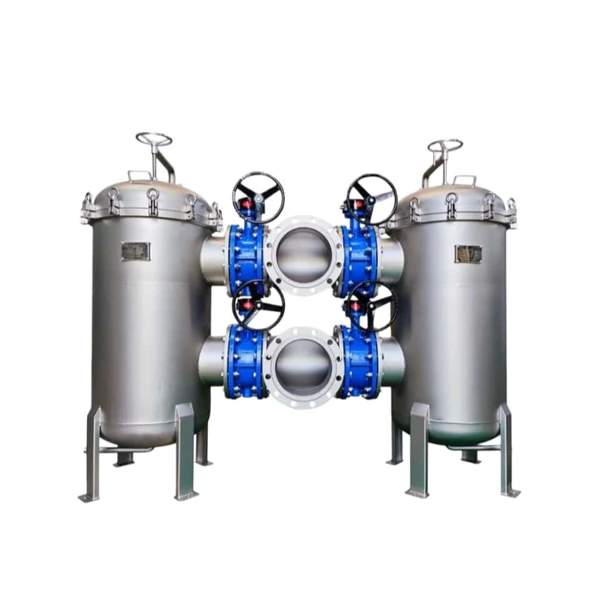
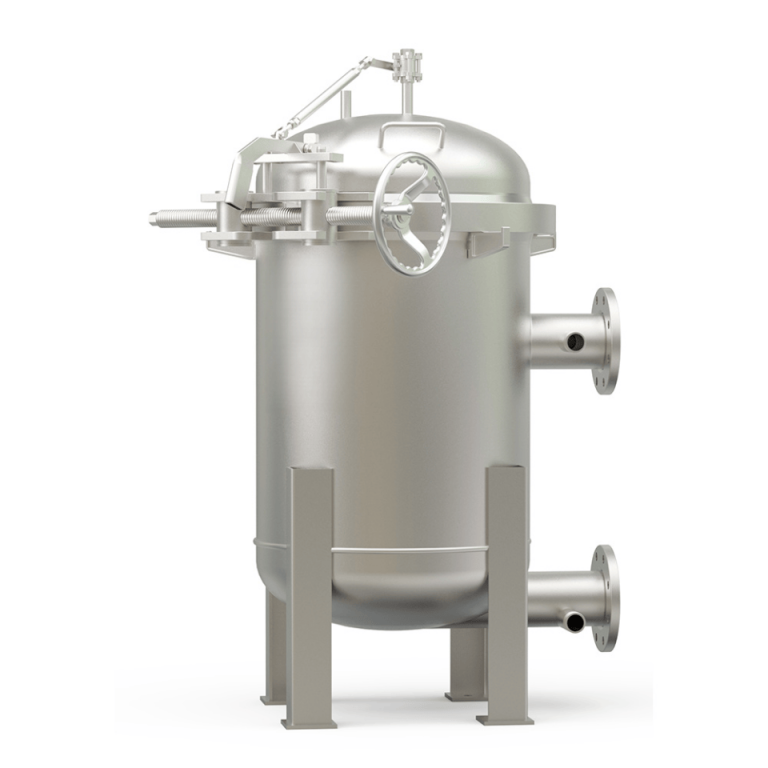
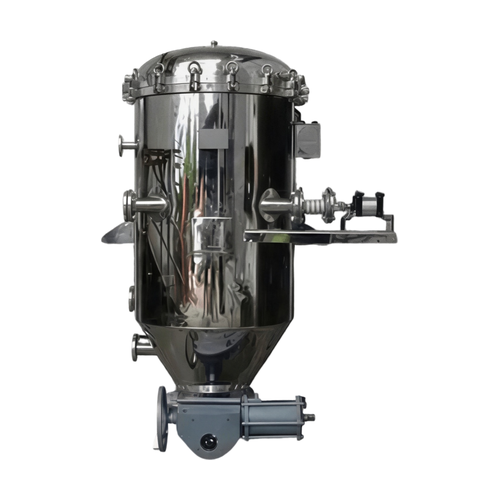
Industrial Oil Water Separator for Process Wastewater
Oil-water separation works on separable droplets; stable emulsions and detergent-rich wastewater usually need additional treatment.
1. Targets free and dispersed oil
Gravity-settling and coalescing stages are set up based on droplet size and the density difference between oil and water.
2. Flow variation and retention time considered
The shape of the vessel is influenced by peak hydraulic load, surge volume, and the risk of short-circuiting.
3. Sludge and solids management included
Drainage, access, and collection areas are included to handle places where settled material can build up.
4. Materials selected for the wastewFactors like chlorides, pH, hydrocarbons, cleaning agents, and temperature help determine the materials and gaskets used in construction. gasket choice.
Oil Water Separator Description
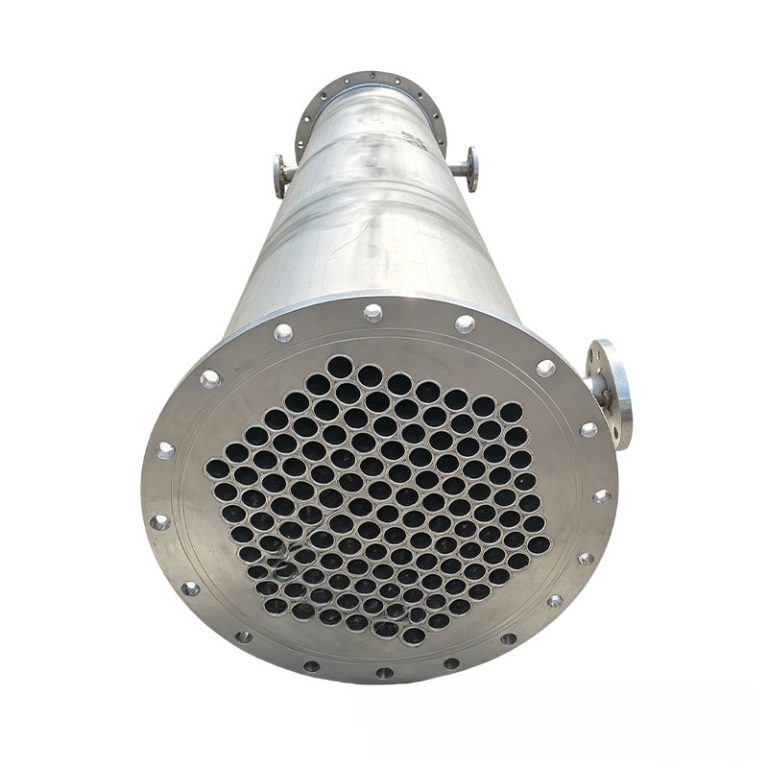
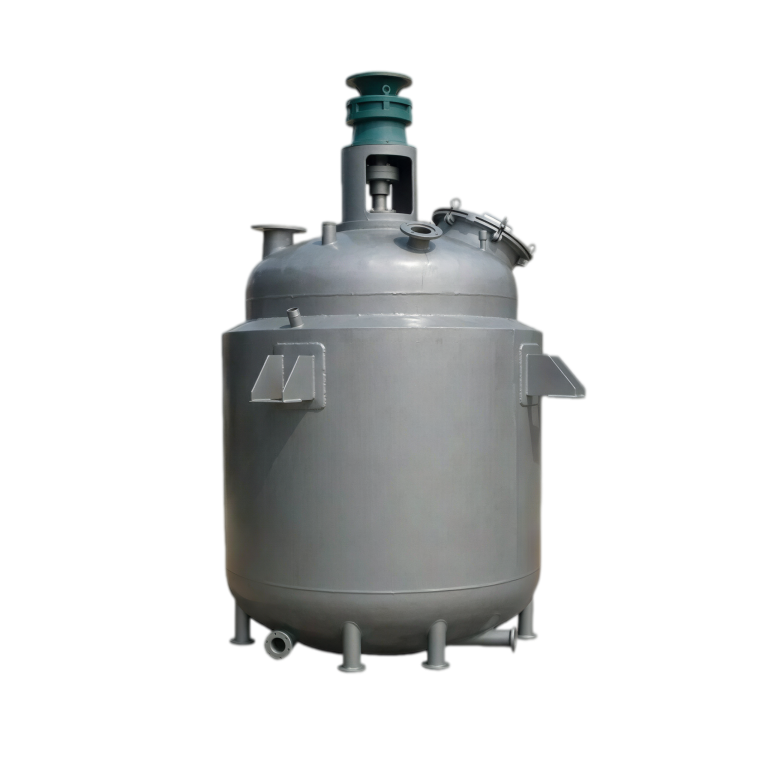
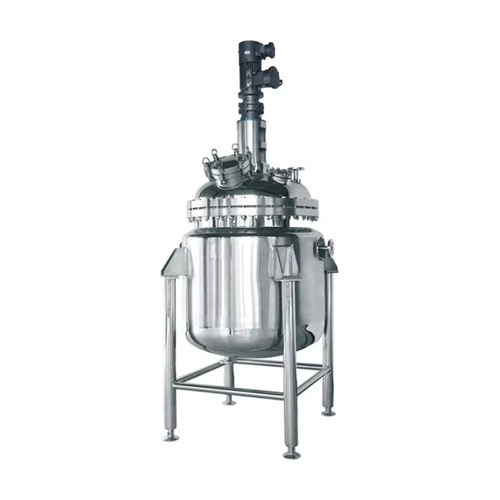
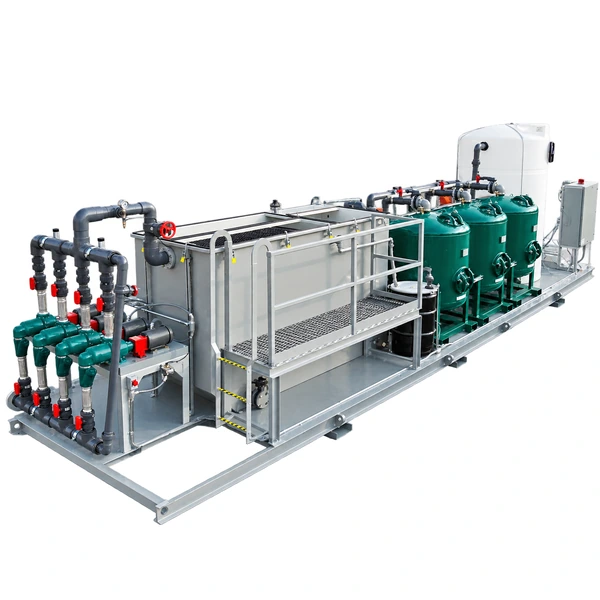
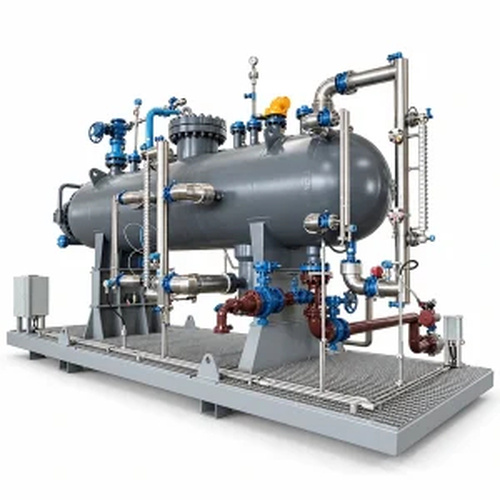
An industrial oil-water separator removes free oil and settleable solids from wastewater by using the different densities of oil, water, and suspended materials. The inlet section calms the flow so that solids can settle and oil droplets can rise to the surface.
This custom oil-water separator for industrial wastewater uses angled or corrugated plate packs to help oil droplets rise faster and join together. A skimmer collects the separated oil, sludge settles at the bottom and is removed, and treated water leaves over the outlet weir. Optional features can include an oil collection chamber, sludge hopper, level sensors, pumps, and a skid frame. Final size depends on flow rate, oil density, viscosity, temperature, droplet size, solids content, and required water quality.
Oil Water Separator Technical Data Sheet
| Oil Water Separator Technical Data Sheet | ||
| Parameter | Tinsins Typical Manufacturing Range | Unit / Configuration |
| Wastewater flow | 1–300 | m³/h |
| Oil droplet range | 20–150 typical | μm |
| Oil / water density | At operating temperature | kg/m³ |
| Fluid viscosity | At operating temperature | mPa·s |
| Solids content | Project data required | mg/L or wt% |
| Typical retention time | 20–60 screening range | min |
| Oil condition | Free oil / dispersed oil / emulsion identified | Required classification |
| Hydraulic surface loading | Project-calculated | m³/(m²·h) |
| Vessel volume | Up to 70 | m³ |
| Design pressure | Atmospheric to 1.6 | MPa |
| Design temperature | 5–90 | °C |
| Feed oil concentration | Project data required | mg/L or vol% |
| Internals | Inlet calming, plate pack, coalescer, oil weir and sludge zone | Project option |
| Outlet oil target | Contract-defined after feed review | mg/L |
| Plate / media configuration | Inclined plate or coalescing media | Project option |
| Materials | Carbon steel, 304/304L, 316/316L | Vessel / internals |
| Oil removal method | Adjustable weir, skimmer or oil compartment | Project option |
| Sludge removal | Drain, hopper or scraper by review | Project option |
| Instrumentation | Level, interface, high-level alarm and outlet monitor by project | Project option |
| Inspection and test | Leak/pressure test and internal dimensional inspection | ITP |
| Required RFQ data | Flow profile, oil type/concentration, droplet distribution, density and viscosity | Customer input |
Assess an Oil Water Separation Duty
Send flow variation, oil loading, droplet information, solids and emulsion condition. We will review whether gravity or coalescing separation is realistic.
Oil Water Separator Applications
- Refineries and Petroleum Storage
An oil-water separator used in refineries and tank farms removes free hydrocarbons and settleable solids from equipment drainage, runoff from loading areas, and wastewater from storage terminals before further treatment or discharge. - Vehicle and Equipment Wash Bays
A coalescing oil-water separator in vehicle wash bays separates fuel, lubricating oil, grease, and sediment from the wash water produced during vehicle or heavy equipment cleaning. If the incoming water contains sand or heavy solids, you can add a grit or sludge collection section. - Industrial Manufacturing Plants
An industrial oil water separator in manufacturing plants treats oily drainage from workshops, machining areas, and equipment maintenance. It can serve as a stand-alone pretreatment unit or be placed before flotation, filtration, or biological treatment systems. - Power Plants and Utility Facilities
An oil-water separation system in power plants collects free oil from transformer areas, turbine halls, maintenance zones, and equipment runoff. Review flow equalization and oil storage capacity if sudden spills or changing stormwater flows may occur.
Industrial Oil Water Separator Video
Free Oil Is Not the Same as Emulsified Oil
Gravity separators can remove droplets that rise during the available retention time. However, if the emulsion is stable, you may need to adjust pH, add chemicals, use heat, flotation, or membranes before separation is possible.
Solids Can Blind Coalescing Media
Rust, sand, and sludge can block passages and reduce the effective area. When planning the equipment layout, consider removing solids upstream, designing drains, and allowing access for cleaning.